

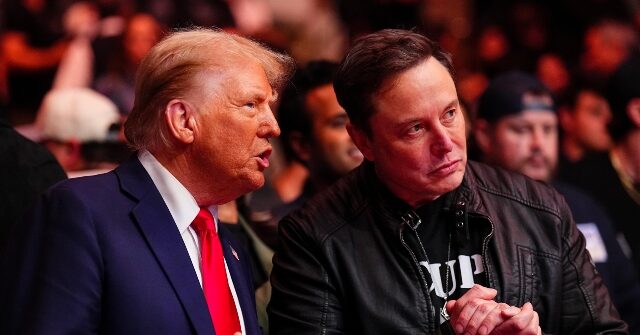
Elon Musk’s platform, X, has reached a settlement with former President Donald Trump over a lawsuit filed in 2021. The legal action targeted the company, previously known as Twitter, and its former CEO Jack Dorsey, after Trump was barred from the platform. Reports indicate that X will pay around $10 million to resolve the matter.
This development marks X as the second major social media company to reach a settlement with Trump regarding the censoring of his accounts. Last month, Meta, under the ownership of Mark Zuckerberg, settled a similar lawsuit for $25 million. Most of the settlement funds are expected to enhance Trump’s presidential library efforts.
Despite Elon Musk’s close ties with Trump, especially after being chosen to lead the Department of Government Efficiency, Trump’s legal team chose to settle. There was speculation that the lawsuit might dissipate due to Musk’s proximity to the president and his substantial financial support during Trump’s campaign. However, the decision to proceed with the settlement emphasizes the complexity of the legal landscape.
The lawsuits against X, Meta, and Google were initiated in July 2021, and their progress was sluggish until after the election season. Trump’s victory in the presidential race breathed new life into settlement negotiations, particularly with Meta’s CEO, Mark Zuckerberg. The discussions gained traction, leading to an eventual agreement.
In 2022, a federal judge dismissed the lawsuit against Twitter, compelling Trump’s legal team to file an appeal. The federal appeals court considered arguments in the fall of 2023, but a ruling was not issued before the settlement was struck. Following the settlement, a motion to dismiss the appeal was filed and subsequently approved.
Attention now turns to Google’s ban on Trump’s YouTube account, with Trump’s attorneys expected to seek a settlement. Google has thus far refrained from commenting on the ongoing matter. Observers are keenly watching how this situation will unfold.
The legal battles highlight ongoing concerns about free speech and censorship on social media platforms. The settlements underscore the challenges faced by public figures in navigating these digital landscapes. The outcomes could have lasting implications for the balance between platform policies and user rights.
X’s decision to settle reflects a strategic move to put the legal wrangling behind and focus on future endeavors. The settlement also aligns with Musk’s pragmatic approach to resolving disputes. Meanwhile, Trump’s team continues to assert the importance of addressing perceived biases in social media censorship.
These recent settlements may pave the way for similar resolutions with other tech giants. The legal precedents set here might influence future disputes involving public figures and social media platforms. Stakeholders on both sides are likely considering the ramifications of these agreements.
The social media landscape remains a contentious arena, with debates over censorship and free speech persisting. These lawsuits underscore the need for clearer guidelines and transparent practices by tech companies. As the dust settles, the public and policymakers alike are left to ponder the broader consequences.
The legal victories for Trump signal a potential shift in how social media companies handle high-profile bans. The settlements may encourage other public figures to challenge perceived injustices in content moderation. It remains to be seen how these developments will shape the future of online discourse.
Legal experts suggest that these settlements could prompt social media platforms to reevaluate their policies. The balance between enforcing community guidelines and respecting free speech rights is a delicate one. The outcomes of these cases may serve as a catalyst for policy reforms.
While the settlements bring closure to specific legal disputes, the broader conversation around online censorship continues. The ongoing dialogue is crucial for ensuring that social media remains a space for diverse voices and opinions. Stakeholders must work together to find common ground in this complex digital age.
The agreements with X and Meta highlight the intricate dynamics between tech companies and political figures. The interplay of legal strategies and public relations campaigns has been on full display. As these cases conclude, the focus shifts to potential future engagements between the parties involved.
Observers are closely monitoring how these settlements will influence the social media policies of major platforms. The need for consistent and fair application of rules is a recurring theme in these discussions. Industry leaders and policymakers must collaborate to address these pressing issues.
Despite the resolution of these lawsuits, many questions about the role of social media in political discourse remain. The challenge of balancing regulation with innovation is a persistent one. The journey towards a more equitable digital space is ongoing.
As the settlements with X and Meta demonstrate, legal recourse remains a viable option for those challenging online censorship. These cases have sparked a broader conversation about the power and responsibility of tech companies. The implications of these legal battles are likely to resonate for years to come.

