

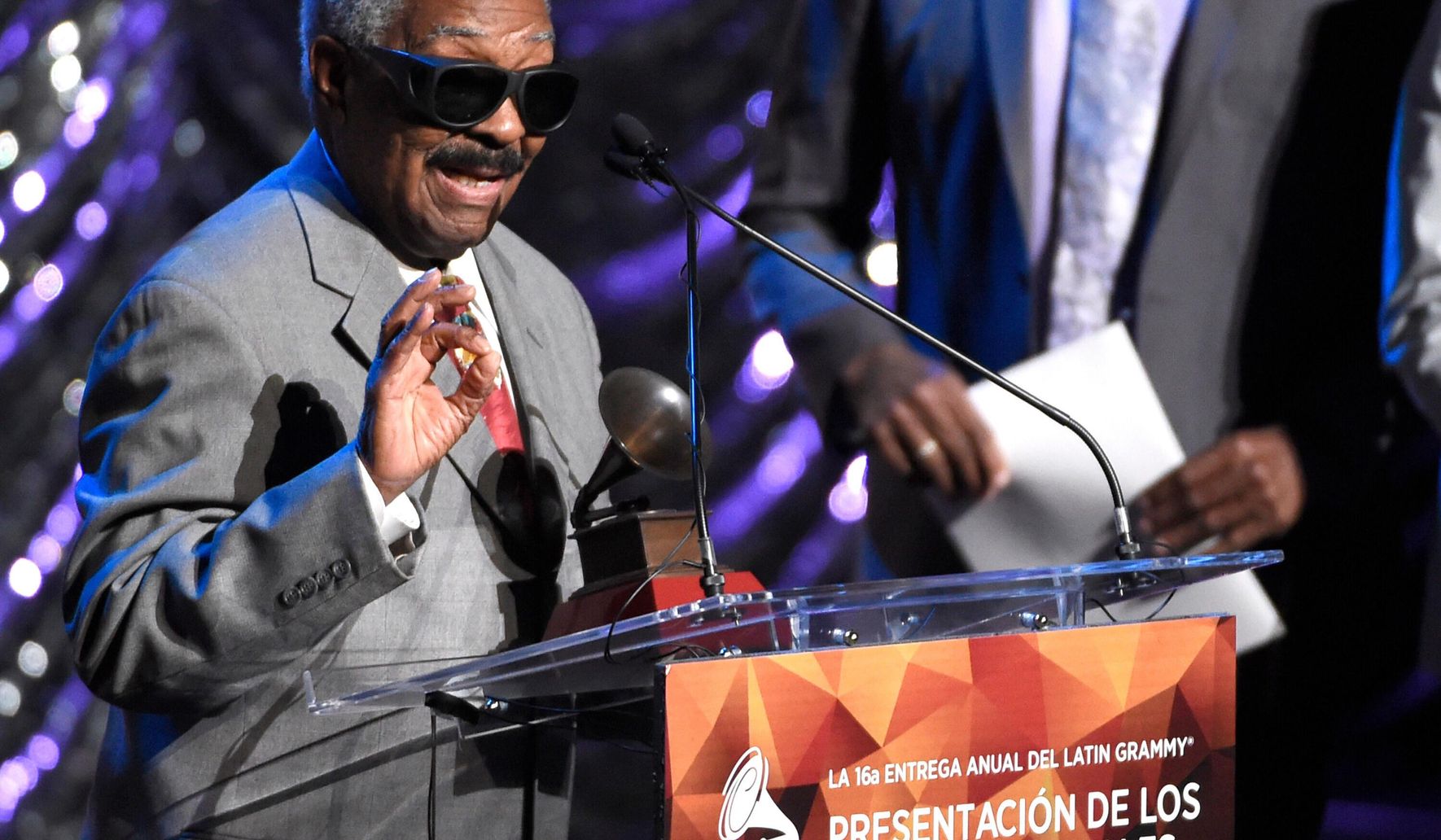
Rafael Ithier, founder of El Gran Combo de Puerto Rico and a beloved figure in salsa music, has died; his hits helped shape a musical lineage that reaches from the island to modern stars like Bad Bunny.
Rafael Ithier was a founding force behind El Gran Combo de Puerto Rico, a band whose sound became a central thread in Latin music for generations. He earned respect as a musician who helped build and sustain a distinctive salsa tradition. Fans and fellow artists alike have pointed to his work as formative and enduring.
The band’s catalog produced songs that crossed borders and decades, influencing performers both on the island and internationally. Those songs have been sampled, celebrated, and cited as inspiration by newer stars, including Bad Bunny and others who draw from Puerto Rico’s musical roots. Ithier’s contributions helped make salsa a living language that artists continue to speak.
Throughout his career he was a steady presence behind many of the rhythms that defined an era, and his name is attached to countless performances that shaped dance halls and radio playlists. His musicianship was part of the soundtrack for social gatherings, community milestones, and personal memories. That steady influence is part of what made his passing feel like the closing of a significant chapter.
Colleagues remember him for more than technique: he represented a bridge between the older school of salsa and the ways modern musicians reinterpret it. That bridge made room for experimentation while honoring core rhythmic and melodic ideas. Younger artists who credit him talk about learning from a tradition that values both precision and heart.
El Gran Combo’s role as a cultural ambassador for Puerto Rico is inseparable from Ithier’s legacy, and his work helped bring the island’s sounds to international stages. Audiences who discovered salsa through the band often trace their appreciation back to those early records and the live shows that followed. Those shared experiences built a communal memory that keeps the music alive.
News of his death has prompted reflections across social and cultural circles, where listeners have recounted personal stories tied to the band’s hits. For many, those songs mark time and place, conjuring weddings, street festivals, and late-night dances. The emotional mark of his music is one reason reactions have been so immediate and heartfelt.
Musical influence is measured in many ways: in direct covers, in the way rhythms are adapted, and in how younger artists cite older work as inspiration. Ithier’s catalog checks each of those boxes, and his imprint can be heard in recordings and performances that followed. Even when styles shift, the foundational patterns he helped popularize remain visible.
As the music world digests the news, institutions and fans alike will likely revisit the recordings that made Ithier’s name synonymous with a certain era of salsa. Those tracks serve as a reminder of the creative lineage that connects generations of Puerto Rican musicians and listeners. His death marks a moment to acknowledge a long-standing contribution to the island’s cultural life.

