

Thailand’s recent air strikes across the Cambodian border abruptly ended a fragile calm established by a regional peace pact, raising hard questions about sovereignty, deterrence, and the limits of diplomacy.
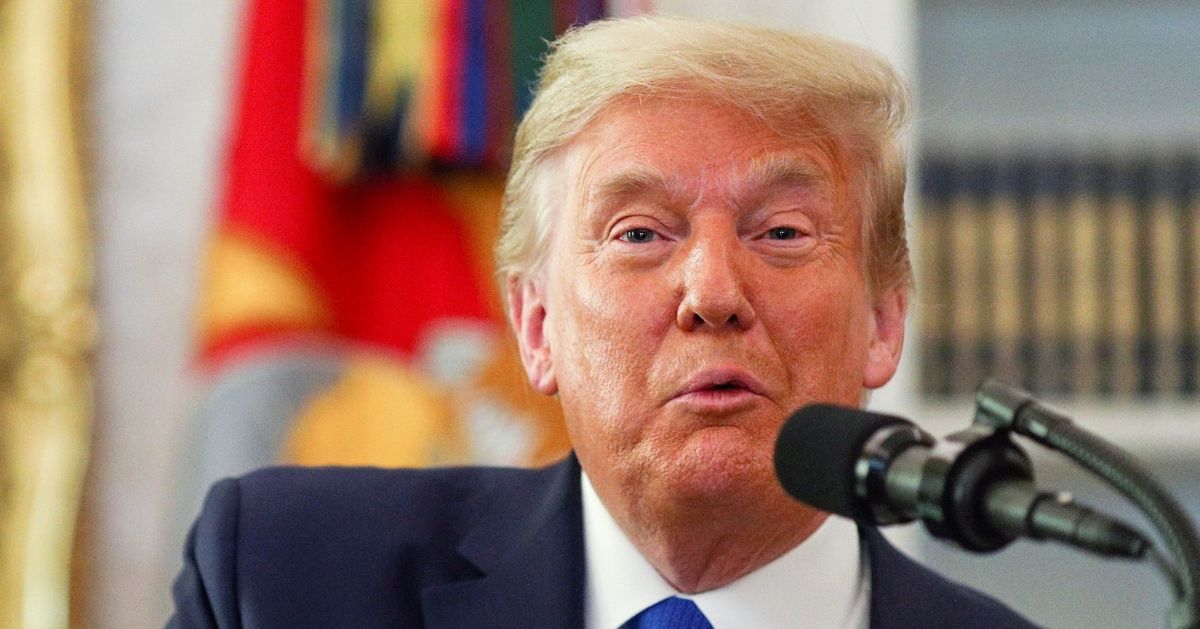
Peace in Southeast Asia took a sharp turn when Thai jets hit targets across the border at Chong An Ma Pass, coming just weeks after the Kuala Lumpur Peace Accords. The accord, signed on Oct. 26, 2025 under President Donald Trump’s watchful eye, had promised observer teams and a cooling of tensions that now looks precarious.
The dispute dates back to colonial-era maps and has simmered since at least the 1950s, when French rule in the region drew lines that kept Cambodia under Paris’s influence while Thailand stayed independent. Old maps and old grudges have a way of sticking around, and the recent violence shows how quickly those historical disputes can flare into modern clashes.
Over the weekend skirmishes near the border left one Thai soldier dead and two wounded, and Thailand says those losses justified the response. Military officials reported strikes on what they described as military depots and command positions, arguing the move was about defending territory and protecting troops at nearby bases.
Thailand’s brass justified the strikes as a necessary response, with Maj. Gen. Winthai Suvaree stated, “The target was at Cambodia’s arms supporting positions in the area of Chong An Ma Pass,” due to attacks on a Thai base (CNN). That line is straightforward: an attack on your forces invites a reply, and commanders often feel compelled to act swiftly to prevent further casualties.
At the same time, the Royal Thai Air Force insisted the operations “were executed with caution, targeting only military infrastructure” assessed as direct threats (RTAF press release, Dec. 8, 2025). From a military perspective, making strikes narrowly focused on military targets is meant to reduce civilian harm and limit escalation, though the optics of bombs crossing a border rarely sit well internationally.
Cambodia pushed back hard against the Thai account, with its Ministry of National Defence blasting the claims as “false information” on social media (X, Dec. 8, 2025). Phnom Penh says it did not retaliate and portrayed itself as monitoring the situation, leaving observers to wonder whether restraint is strategic or reactive.
This is where conservative instincts and diplomatic realities collide. On one hand, a nation must defend its borders and the lives of its service members; on the other, a freshly signed peace deal and international expectations about dispute resolution demand restraint. The Thai action highlights that balance and the risk that muscle can undo the fragile gains of negotiation.
Thai officials say they evaluated the strikes against the UN Charter principles of self-defense, necessity, and proportionality, signaling awareness of international law even as they acted. For Republicans and conservatives watching, this raises familiar themes: sovereignty, credible deterrence, and the responsibility of leaders to secure citizens without surrendering national interest to global opinion.
Critics will call for condemnation and a quick return to diplomacy, and that pressure will be loud in international forums. Still, the reality on the ground is blunt: unresolved borders and hostile encounters demand clear policies that combine firm defense with serious, enforceable agreements.
What happens next will test whether the Kuala Lumpur accord was a durable settlement or just a pause between flare-ups. If diplomacy can be backed by credible deterrence and honest monitoring, there’s a path to stability; if not, expect more jolts that will force regional powers to pick a side between strength and appeasement.

