

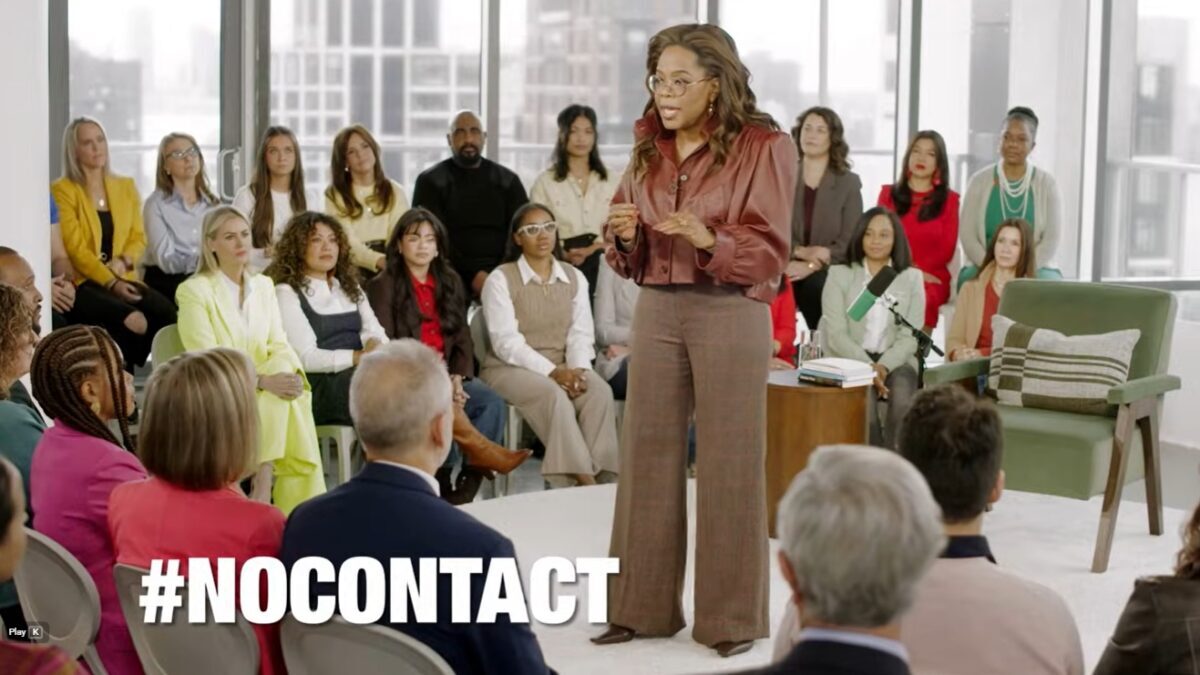
This piece examines how adult children cutting contact can become framed as an unquestionable moral stance, and it explores the social dynamics, emotional costs, and practical implications of family estrangement.
Family estrangement is not always a clear act of self-protection; sometimes it takes on an authoritarian tone that assumes the adult child is automatically right. That assumption can simplify complicated histories into a single moral verdict and leave less room for nuance. When choices are framed as indisputable, family ties and responsibilities get flattened into opposing camps.
Often the impulse to sever contact begins with real harms or chronic patterns of neglect, abuse, or disrespect, and those reasons deserve attention. At the same time, the rhetoric around unilateral cuts can make reconciliation or dialogue seem morally suspect. That dynamic can polarize relatives who would otherwise find ways to set boundaries without total disconnection.
Social media and therapy culture sometimes feed a narrative that cutting someone out is both healing and righteous, and that narrative can spread quickly. It provides a tidy narrative that removes wiggle room and demands allegiance to a moral stance. That can be seductive because it promises clarity in messy relationships.
The practical consequences of an absolutist approach can be severe: lost family history, fractured networks of support, and emotional fallout that ripples across generations. Children, siblings, and aging parents experience the effects differently, and the long term financial and caregiving implications often go unspoken. People make irreversible decisions in moments of pain and assume those decisions will solve problems permanently.
There are cases where cutting contact is the only safe or sensible option, and acknowledging that does not require treating every estrangement as identical. Nuance matters because motives vary, contexts differ, and the balance between boundary-setting and abandonment shifts with time. A one-size-fits-all moral posture erases important differences and can hinder thoughtful decision making.
Families operate on a mix of obligation, love, resentment, and history, so responses to conflict often mix those elements in unpredictable ways. External observers can be quick to judge without grasping the full picture, while insiders can normalize dysfunction until it feels normal. Both perspectives can obscure the real costs of cutting ties permanently.
When conversations remain possible, mediated approaches like counseling or structured dialogue can help untangle grievances without forcing extremes. That path does not guarantee success, but it preserves options and reduces the chance of creating additional harm. For some people, those preserved options matter more later than they do in the heat of an argument.
Public narratives that valorize severing contact can also discourage accountability from the person initiating the split, and that lack of accountability has its own consequences. Choosing to walk away without communicating reasons or seeking resolution can leave wounds open and foster lasting confusion. Responsible boundary-setting often includes clear communication about expectations and limits.
Policy and legal frameworks rarely address the emotional complexity of family estrangement, leaving people to navigate gray areas on their own. Social institutions tend to prefer neat labels that rarely fit the messy reality of family life. Recognizing the limits of those labels helps families consider alternatives to absolute judgment.
In the end, assessing estrangement requires balancing safety with the costs of severing ties and resisting the temptation to turn personal choices into moral imperatives. That balance does not mean tolerating abuse, but it does mean treating decisions about permanent cuts with the seriousness they deserve. A more careful, less dogmatic approach keeps options open while still honoring the need for boundaries and healing.

