

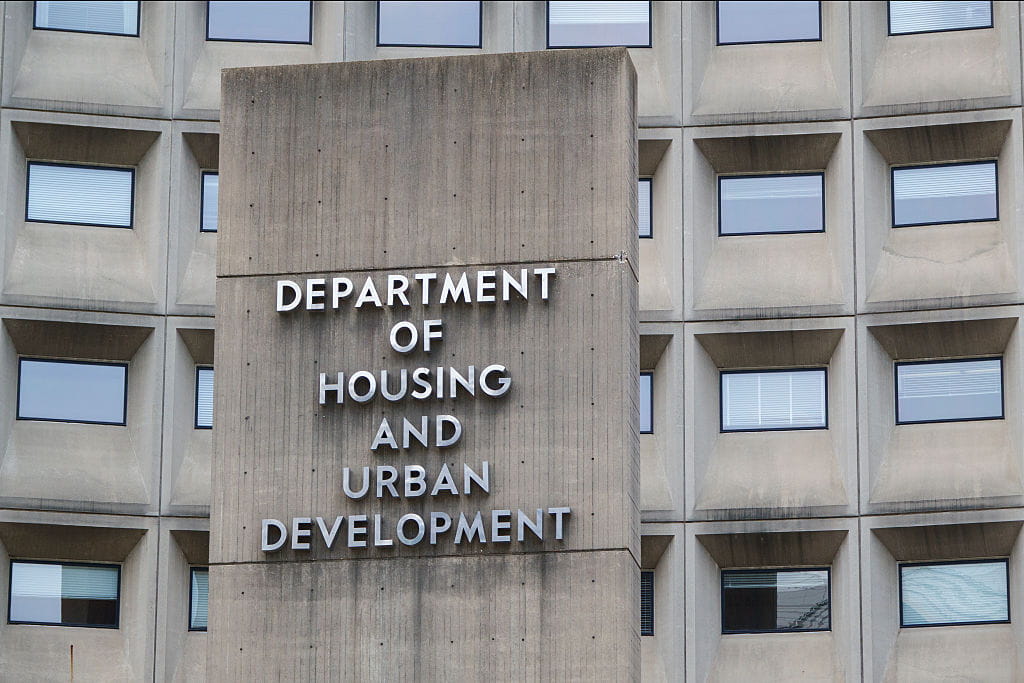
A federal push into Minnesota aims to root out alleged fraud tied to child learning centers and HUD-funded housing, with HUD Secretary Scott Turner saying he has “boots on the ground” to investigate and stop abuse.
Minnesota has become a focal point after reports surfaced that alleged widespread fraud touched child learning centers, many reportedly run by Somalis. The stories describe systemic weak spots that allowed fraud to spread, and the public response has been sharp and unforgiving. Local communities are demanding answers and tighter controls to protect families and taxpayer dollars.
Into that breach stepped HUD Secretary Scott Turner, announcing he has “boots on the ground” in Minnesota to look into potential fraud affecting HUD-funded housing. That phrase is terse and deliberate, signaling a federal presence that Republicans say should mean fast, practical enforcement. For conservatives watching, it also signals a no-nonsense approach to federal aid that must be guarded from exploitation.
The core complaint is simple: when oversight is lax, bad actors find ways to take advantage of public programs, and the people who suffer most are the vulnerable families these programs are supposed to help. Reports tied to child learning centers and other community institutions have highlighted how gaps in supervision can compound over time. Republicans emphasize accountability and consequences rather than more spending without safeguards.
Bringing federal investigators into a state is not just about headline moments; it is about mapping the problem and closing the loopholes. Officials on the ground can gather evidence, coordinate with state and local authorities, and make practical changes to eligibility and monitoring. The goal, from a Republican perspective, is to prevent fraud without gutting legitimate services for hardworking families who depend on them.
Some in the community worry that aggressive enforcement will sweep up innocent operators or stigmatize entire communities, and that concern must be taken seriously. Lawful providers who play by the rules should not be punished for the actions of a few, and prosecutors should focus on clear evidence. Still, accountability must be equal and swift when fraud is found, so that the entire system retains public trust.
Republican policymakers point to this moment as an example of why rules and audits matter, especially where public funds and children’s services intersect. They argue for tighter eligibility checks, better record keeping, and stronger coordination between federal agencies and local regulators. Those fixes, conservatives say, would protect taxpayers and ensure programs serve their intended purposes.
Politically, the situation also feeds a broader narrative about border policy, assimilation, and community oversight, but the immediate issue is technical and administrative: stop money flowing to fraud, identify weak spots, and restore confidence. The presence of HUD investigators is meant to do just that, and Republicans will be watching for concrete results rather than rhetoric. If enforcement succeeds, it could set a template for similar interventions elsewhere.
Families affected by fraud deserve restitution and clear pathways to safe, reliable care, and the public deserves assurance that its money is used as intended. That requires a blend of vigorous enforcement, clear rules, and respect for lawful providers who deliver real value. In Minnesota, the debate has sharpened around those basic priorities: accountability, protection for the vulnerable, and a return to common-sense oversight of public programs.

