

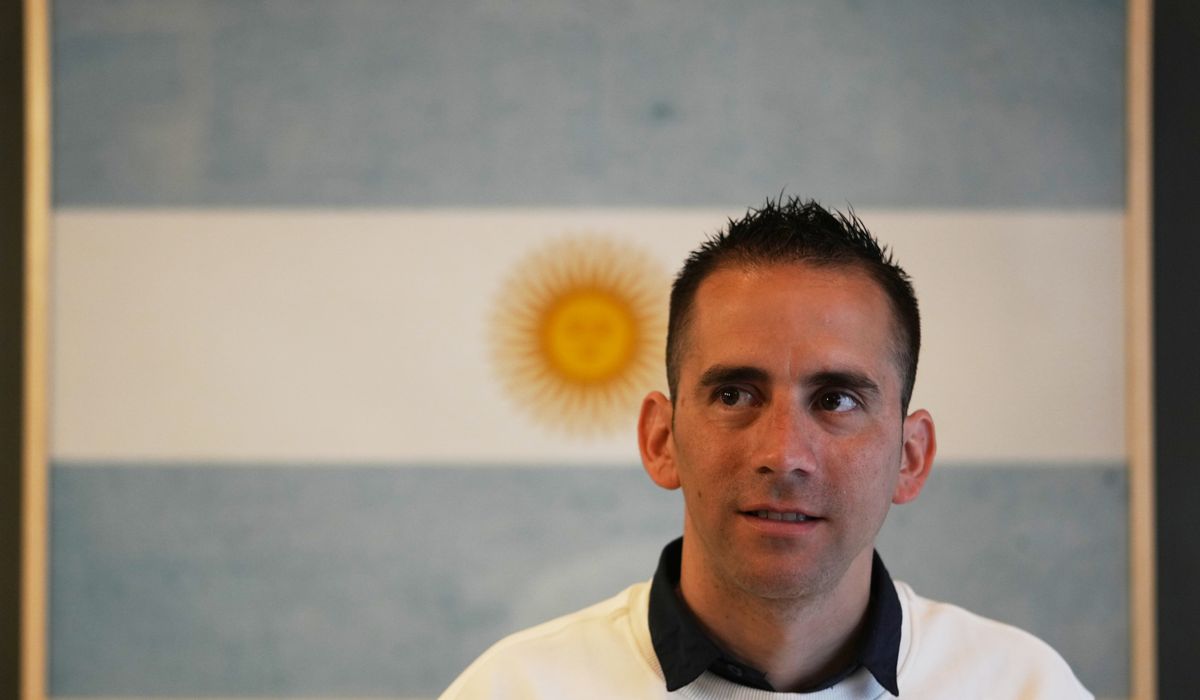
Nahuel Gallo, an Argentine who spent 448 days behind bars in Venezuela, is publicly urging the international community to step up pressure on interim Venezuelan President Delcy Rodriguez and her government. His experience highlights concerns about political detentions, legal irregularities, and the broader need for consistent diplomatic and human rights scrutiny.
Nahuel Gallo returned from a lengthy detention in Venezuela and has not been quiet about what he endured or what he sees as systemic problems in Caracas. After 448 days in custody, his call is simple: foreign governments and international bodies should increase pressure on the interim Venezuelan President Delcy Rodriguez. That appeal lands in an international environment already sensitive to reports of political arrests and weak due process in the country.
The Republican perspective on this is straightforward: regimes that detain foreign nationals for political reasons should face real consequences. Gallo’s case is not an isolated tale of misfortune; it’s a warning sign about how power is being used to silence dissent and manipulate legal systems. Republicans tend to favor firm diplomatic responses and targeted measures that show up where they can influence behavior.
Details about the conditions of Gallo’s detention remain sketchy in public accounts, but the length of confinement – 448 days – speaks for itself. Long detentions without transparent legal proceedings fuel suspicion of politically motivated imprisonment. Families, diplomats, and rights groups have repeatedly said that access to fair representation and timely consular contact is a bedrock principle that must be upheld, regardless of the accused’s nationality.
International pressure can take many forms, and the GOP approach prioritizes measures that are visible and strategic. That means sanctions narrowly tailored to officials responsible for abuses, restrictions on financial and diplomatic channels that enable repression, and coordinated action with regional allies. The goal is to change the cost-benefit calculation for those in power who order or tolerate unjust detentions.
At the same time, Republicans emphasize support for those caught in repression’s crossfire. This includes backing legal and humanitarian aid, amplifying the stories of detainees like Gallo, and pushing multilateral organizations to keep human rights on their agenda. Spotlighting individual cases helps prevent them from being lost in the shuffle, and public attention creates political pressure that regimes often find harder to shrug off.
Critics of softer engagement argue that vague statements and occasional condemnations do little to protect the vulnerable. From a Republican viewpoint, Gallo’s plea for stronger international action reinforces the need for consistent policy that holds names and offices accountable. When leaders such as interim Venezuelan President Delcy Rodriguez preside over systems where political imprisonment appears to be a tool, there should be targeted diplomatic consequences tied to clear benchmarks.
Practical diplomacy must also be paired with principled messaging. Republicans often insist that the United States and friendly governments should speak plainly about abuses and back their words with actions. That combination makes it more likely that future arrests will be scrutinized immediately and that foreign governments will think twice before using detention as a political weapon.
Gallo’s message is effectively a human one: 448 days in detention changes lives, stretches families thin, and leaves scars that go beyond the prison walls. His call for increased international pressure is rooted in that human cost, and it asks other nations to decide whether they will tolerate a pattern of behavior or stand up against it. For those watching, his experience is a concrete example of why policy choices matter in real human terms.
Whatever steps governments choose, the core facts remain clear and hard to ignore: an Argentine citizen detained for 448 days is asking for international action directed at interim Venezuelan President Delcy Rodriguez and her administration. That request will test how seriously the international community treats political imprisonment, and it will reveal whether words translate into sustained pressure that can protect others at risk.

