

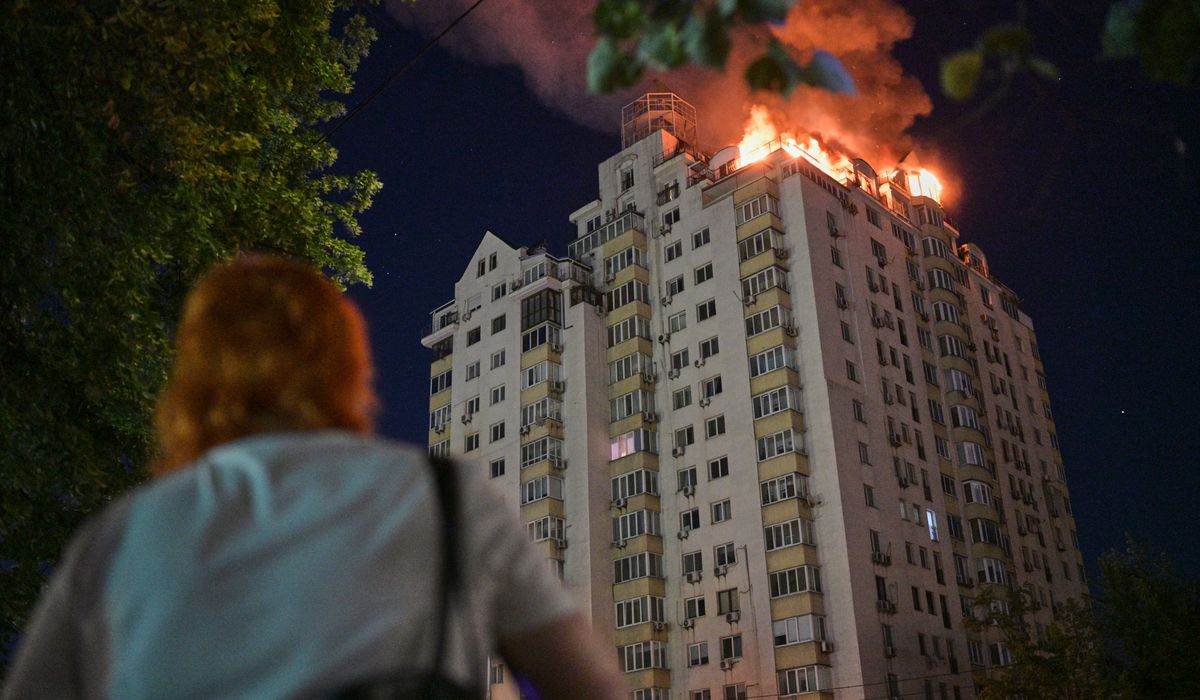
Russia’s fuel troubles, refinery attacks and the Kremlin’s calm are reshaping the conflict’s energy and political calculations, with clear implications for Western strategy and American energy policy.
Despite severe fuel shortages across Russia, President Vladimir Putin appears unbothered by Ukraine’s increasing attacks on his country’s oil refineries. That posture is part political messaging and part strategic calculation, and it matters because fuel is both an economic lifeline and a military necessity. Watching how Moscow manages the shortfalls tells us more about its priorities than any speech.
The attacks on refineries have been persistent and increasingly sophisticated, aimed at chokepoints in Russia’s fuel supply chain. Hitting refining capacity hurts domestic distribution and export ability at the same time, creating ripple effects through the economy. This is modern warfare where industrial targets shape the battlefield as much as troop movements do.
For ordinary Russians, tighter fuel supplies mean longer lines, higher prices and a squeeze on small businesses that rely on trucking and heating. Those pains don’t always translate into immediate political pressure because the Kremlin controls the narrative and the security services. Still, sustained shortages chip away at everyday stability and test the limits of centralized control.
Putin’s apparent indifference looks intentional: it signals control and deflects panic, while giving officials time to patch damage and reroute supplies. That calm is useful at home and abroad; it projects an image of resilience even when systems are stressed. In practice, it lets Moscow prioritize military requirements over civilian comfort when push comes to shove.
Strategically, Russia may accept short-term pain to protect longer-term assets or to keep fuel flowing to key military fronts. Refineries are repairable and shipping routes can be shifted, but those fixes take time and money. Accepting temporary shortages can be a calculated cost for preserving other capabilities.
On the economic front, refinery damage reduces export volumes and energy revenue, which chips into Moscow’s ability to fund its war machine and prop up its economy. Sanctions and logistical bottlenecks compound the problem, making simple repairs harder to execute. That dynamic turns infrastructure attacks into a form of economic pressure as well as battlefield tactics.
From a Republican perspective, the right response is clear: keep supporting Ukraine’s ability to strike meaningful targets while tightening enforcement on sanctions and cutting off pathways for Moscow to dodge pressure. The goal is to increase the cost for Russia without getting dragged into direct conflict. Strong, coordinated pressure forces tough choices on Kremlin policymakers.
For Europe, the situation underscores the urgency of energy diversification and secure supply chains. Dependence on an adversary’s energy exports is a strategic vulnerability; the answer is more domestic production, storage and alternatives. That lesson is why robust American energy policy and reliable exports matter now more than ever.
Russia will try to fix refineries, import refined fuel and move products around to blunt shortages, but those stopgaps are costly. Repairing damage takes skilled labor, parts and time, all of which are constrained under sanctions. The cumulative effect is a slower recovery and greater leverage for those applying pressure.
Domestically, the Kremlin will use propaganda, subsidies and selective enforcement to contain discontent, prioritizing loyalty over broad-based relief. That strategy can buy months or even years of stability, but it raises the risk of larger, harder-to-control problems down the road. Keeping track of economic indicators and social unrest is a good way to gauge how effective those measures are.
Militarily, targeting fuel infrastructure is a sensible tactic because it hits both logistics and morale. Fuel shortages reduce operational tempo and strain supply lines, constraining what forces can do on the ground. The interplay between battlefield tactics and industrial targets makes this phase of the conflict especially damaging for whoever can’t adapt quickly.
How the West responds will shape whether Moscow changes course or doubles down. Support for Ukraine, strict enforcement of sanctions and efforts to shore up energy supplies at home are practical steps that align with a Republican view of strong deterrence. The longer Russia struggles to normalize fuel flows, the more leverage Western policy gains without deploying American troops.

