

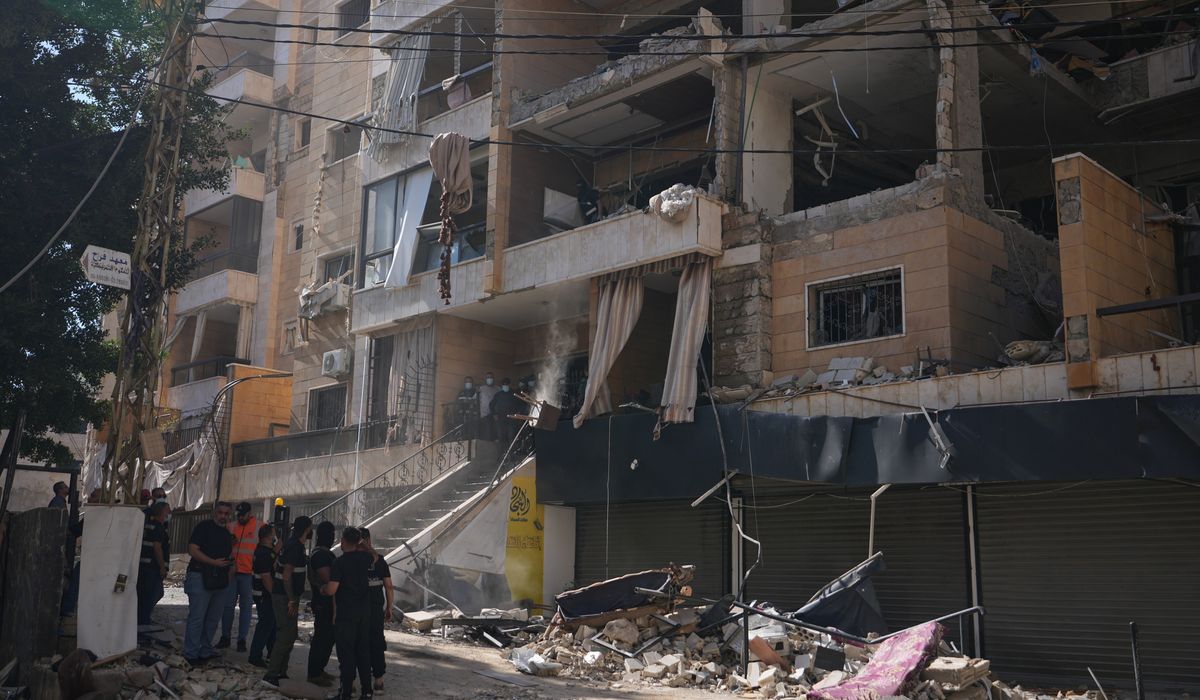
Israel carried out airstrikes across southern Lebanon on Tuesday while Tehran warned that more attacks could trigger a devastating reciprocal response, creating a high-stakes confrontation that risks wider regional escalation.
Israel conducted airstrikes Tuesday across southern Lebanon, despite a warning from Iran that further attacks could lead to a devastating reciprocal response. The strikes targeted militant positions and infrastructure tied to groups operating along the border, escalating tensions in an already volatile area. This clash is part of a pattern of tit-for-tat strikes that each side says are meant to deter the other but that so far have failed to establish stable deterrence.
From a conservative standpoint, Israel’s actions look like clear, focused measures to protect its citizens and secure its borders against cross-border threats. Western allies who value strong defense see deterrence as essential when adversaries rely on proxies and asymmetric tactics. Critics argue that strikes risk dragging both sides into a broader conflict, but supporters counter that failing to respond would only encourage more attacks.
Iran’s warning underscored the broader strategic calculus: Tehran uses threats and proxy forces to shape regional outcomes without engaging in direct, conventional warfare. That posture complicates responses because retaliatory options must account for unpredictable proxies and indirect supply lines. Policymakers face a choice between escalating to punish proxies or calibrating responses to avoid spiraling into full-scale war.
On the ground in southern Lebanon, communities live with the constant danger of sudden bombardments and rocket exchanges, forcing civilians to adapt to recurring emergencies. Humanitarian concerns are real and immediate, yet they are intertwined with the larger security picture that drives military planning on both sides. The result is a grim cycle where local suffering and strategic signaling feed into each other.
The recent airstrikes also test international diplomacy, as global capitals balance condemnation of violence with practical support for Israel’s security needs. Republican-leaning policymakers typically emphasize Israel’s right to self-defense and urge stronger pressure on Iran to stop funding and arming hostile groups. At the same time, allies are cautious about actions that could unintentionally widen the conflict or trigger supply disruptions that affect broader regional stability.
Military planners on both sides are weighing risk and reward in near-real time, measuring targets for symbolic impact as much as tactical value. Israel’s strikes are meant to degrade capabilities and send a message that aggression has a price, while Iran’s rhetoric aims to deter deeper intervention by promising reprisals. That interplay of signals can produce dangerous misreads if either side overestimates the other’s appetite for escalation.
Intelligence gathering and signal interpretation are crucial in these moments, because a single miscalculation could lead to unintended consequences beyond Lebanon’s borders. Satellite imagery, intercepted communications, and on-the-ground reports all factor into decisions about when and how to strike. Those same tools can also help limit collateral damage when used carefully, though the fog of conflict makes perfect judgment rare.
Backroom diplomacy remains essential even as jets fly and missiles fly, and there are signs that regional actors prefer to avoid total war despite heated public rhetoric. Quiet channels can reduce misunderstandings and create space for de-escalation without public retreats that look like weakness. Still, such diplomacy must be backed by credible deterrent capabilities so threats are taken seriously.
What happens next depends on immediate choices by military and political leaders who must weigh public safety, strategic aims, and long-term regional consequences. Each strike, each warning, and each response shifts the balance of risk, and the calculus will evolve as events unfold. For now, the region remains on edge, with every actor watching how deterrence will be enforced or fail.

