

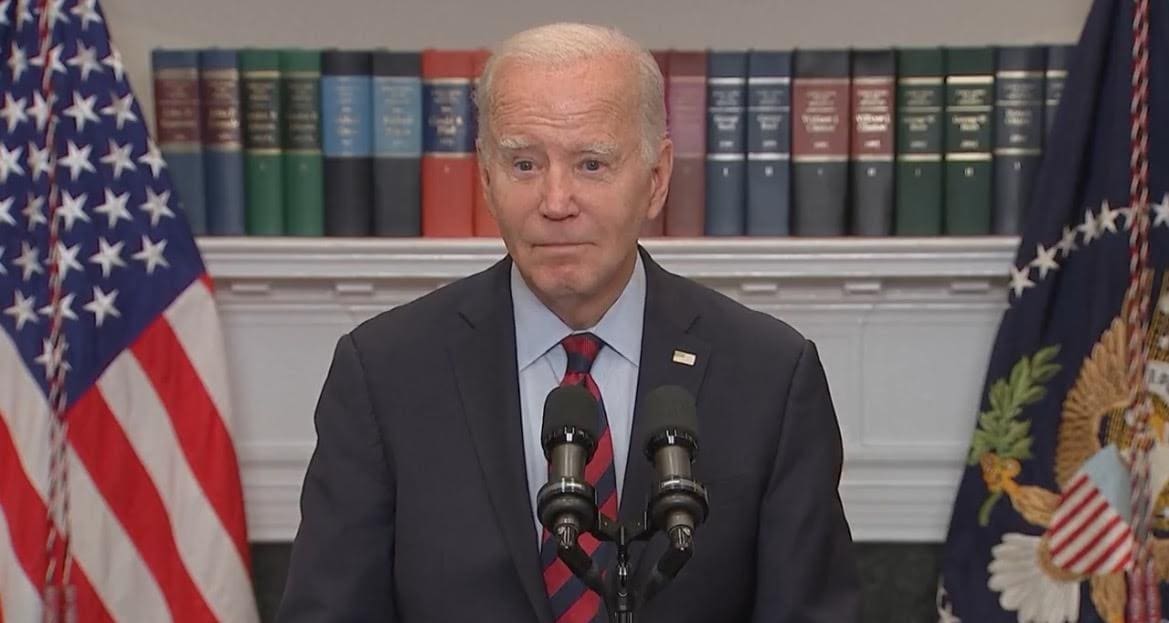
Education Secretary Linda McMahon has been vocal about her concerns regarding the Biden Administration’s handling of student loans, labeling it misleading. The cancellation of $136.6 billion in student loans has, according to McMahon, unfairly shifted the burden onto average wage earners. “American taxpayers will no longer be forced to serve as collateral for irresponsible student loan policies,” she declared.
Starting May 5, the Department of Education plans to begin collecting payments on defaulted student loans, affecting about 5 million borrowers. These borrowers haven’t made any payments since March 2020, when federal student loan payments were paused due to the Covid pandemic. Although payments were supposed to resume in October 2023, many borrowers remain in default.
McMahon argues that the Biden Administration overstepped its constitutional authority by attempting to cancel student debt. She emphasized that hundreds of billions have already been transferred to taxpayers. The Department of Education, along with the Treasury, is committed to responsibly managing the student loan program from now on.
The Biden Administration’s promises of loan forgiveness have been criticized as misleading. Ending the zero-interest and zero-accountability measures introduced during Biden’s tenure is a step to rectify this. On social media, McMahon stated, “The executive branch does not have the constitutional authority to wipe debt away.”
In an attempt to bypass the Supreme Court’s ruling, Biden used several workarounds to implement his student loan bailout program. In August 2022, he announced a significant loan forgiveness plan, which many viewed as an attempt to secure votes from younger generations. The plan aimed to cancel over $400 billion in student loans, benefiting borrowers earning $125,000 a year or less.
The Supreme Court, however, ruled 6-3 against Biden’s relief program. In response, the Department of Education introduced a forbearance program, which canceled $39 billion in student loans by counting non-payments as payments. This was not a typical forbearance program, as borrowers didn’t have to pay back missed payments.
Biden’s administration took further steps to cancel student loans throughout his tenure. In January 2024, he announced an additional $5 billion in cancellations for 74,000 borrowers. He also introduced a plan to cancel loans for those who borrowed less than $12,000 and had been repaying for 10 years.
The repeated attempts to cancel student loans have sparked significant debate. Many conservatives argue that such measures are fiscally irresponsible and unfair to taxpayers. The controversy surrounding these actions reflects broader political tensions over government spending and financial accountability.
Critics have accused Biden of using student loan forgiveness as a political tool. They argue that these actions are more about winning votes than addressing the root causes of student debt. The focus, they say, should be on creating sustainable financial policies.
The political ramifications of Biden’s loan forgiveness strategies are significant. As the nation grapples with economic challenges, many see these actions as exacerbating fiscal issues. The debate continues, with strong opinions on both sides.
The role of the Supreme Court in this matter has been crucial. Their decision to strike down Biden’s program underscores the ongoing tug-of-war between branches of government. It also highlights the limits of executive power in financial matters.
The Department of Education’s policies moving forward will be closely watched. Many hope for a balanced approach that considers both borrower relief and taxpayer fairness. The path forward remains uncertain, with stakeholders eagerly awaiting further developments.
The financial health of millions of Americans hangs in the balance. As policies shift, borrowers and taxpayers alike are keenly aware of the potential impacts. The conversation around student loans is far from over.
The focus on accountability and constitutional limits is a key aspect of the debate. Conservatives emphasize the need for responsible governance and adherence to legal frameworks. These principles are central to the ongoing discourse.
The economic implications of student loan policies are significant. With billions of dollars at stake, the decisions made by the Department of Education will have long-lasting effects. The nation’s economic outlook depends on prudent management and clear policy direction.
The discussion around student loans is indicative of broader societal issues. It touches on themes of fairness, responsibility, and the role of government. These topics are likely to remain central to political discourse for the foreseeable future.

