

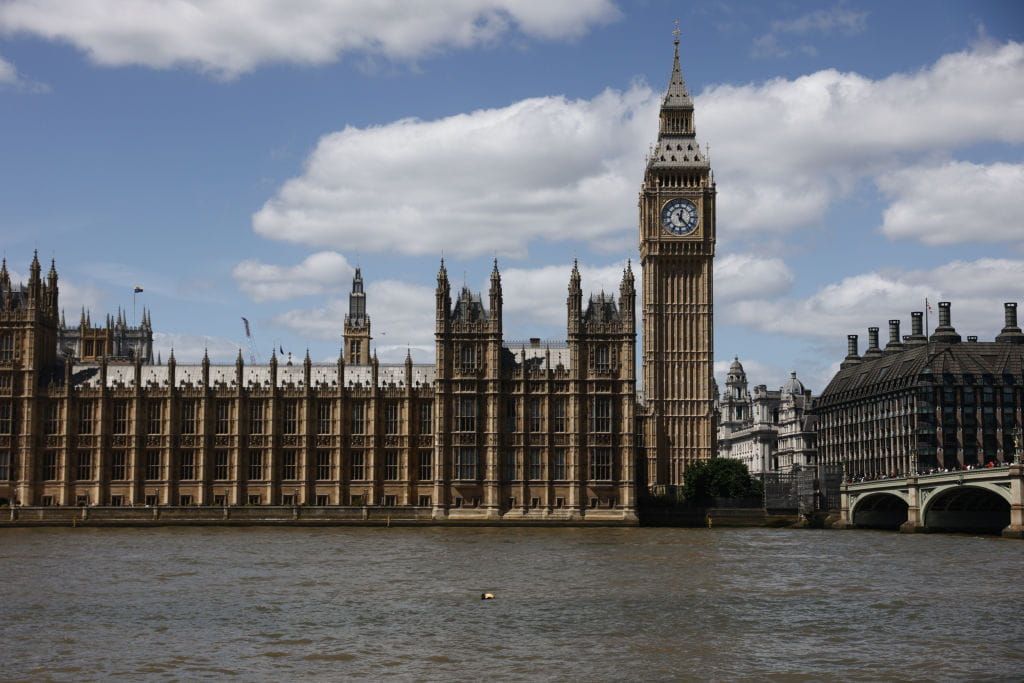
British local and national voting on May 7, 2026 shook the familiar political picture, with both major parties hit hard and voters sending a clear message about leadership and policy. The contest exposed deep frustration with the status quo and strengthened smaller, insurgent groups across regions. What played out was less a tidy transfer of power and more a sign of realignment, with consequences that will echo through Westminster and beyond.
On May 7, 2026 the mood at polling stations was unmistakable: voters were fed up with entrenched interests and tired party promises. Tories and Labour face disaster in British “midterms.” That line captures the raw sentiment, where many people treated these contests as a referendum on competence, not just party loyalty.
Across towns and cities, turnout patterns suggested voters wanted accountability more than continuity. Longstanding loyalties were tested as local issues—cost of living, public services, and immigration—drove decisions in tight races. The result was fragmented support that weakens the old two-party dynamic and boosts smaller groups who can claim to represent real change.
From a Republican viewpoint, there is an obvious lesson in the electorate’s appetite for competition and localism. When big parties drift toward central control and bureaucratic habit, voters look for alternatives that promise to restore fiscal sanity and respect individual liberty. That impulse is not limited to one country; it reflects a broader conservative case for smaller government and decentralised power.
The collapse of safe seats exposes leadership weaknesses on both sides: crisis management failures, a sense of detachment from ordinary lives, and policy promises that didn’t match outcomes. Where voters feel ignored, they punish incumbents. Expect parties to recalibrate fast, because survival depends on convincing skeptical communities that change will be real, not just rhetorical.
Smaller parties and independent candidates benefited from this disenchantment, translating local frustration into ballots that matter. That trend complicates governing coalitions and makes straightforward majorities harder to achieve. For conservatives who favor clearer accountability, a more competitive landscape can be healthy if it forces policy discipline and genuine responsiveness.
At the same time, fragmentation brings risks. A fractured parliament makes coherent policy-making difficult and hands leverage to niche actors. Conservatives must weigh the short-term gain of eroding big-party dominance against the long-term cost of unstable governing arrangements that can empower cranks and undermine effective reform.
Economic concerns anchored many votes, with households prioritising jobs, energy, and tax fairness. Voters punished parties that appeared tone-deaf to day-to-day pressures, showing that competent stewardship of the economy remains decisive. For those who believe in fiscal responsibility, this is a reminder that sound budgets and pro-growth policies are political necessities, not just technocratic ideals.
Immigration and law-and-order topics also shaped the vote in several regions, reflecting a demand for secure borders and accountable policing. When large parties offer muddled answers, grassroots challengers step in with sharper, clearer messaging. That dynamic tends to reward straightforward solutions, even at the expense of sweeping ideological programs.
Looking ahead, Westminster will have to adapt to an era where coalitions and cross-party deals are more likely. Conservatives should push for reforms that make government more accountable and less dominated by remote elites. If political competition forces better governance, the end of a rigid two-party system could prove a political opportunity rather than a mere disruption.

