

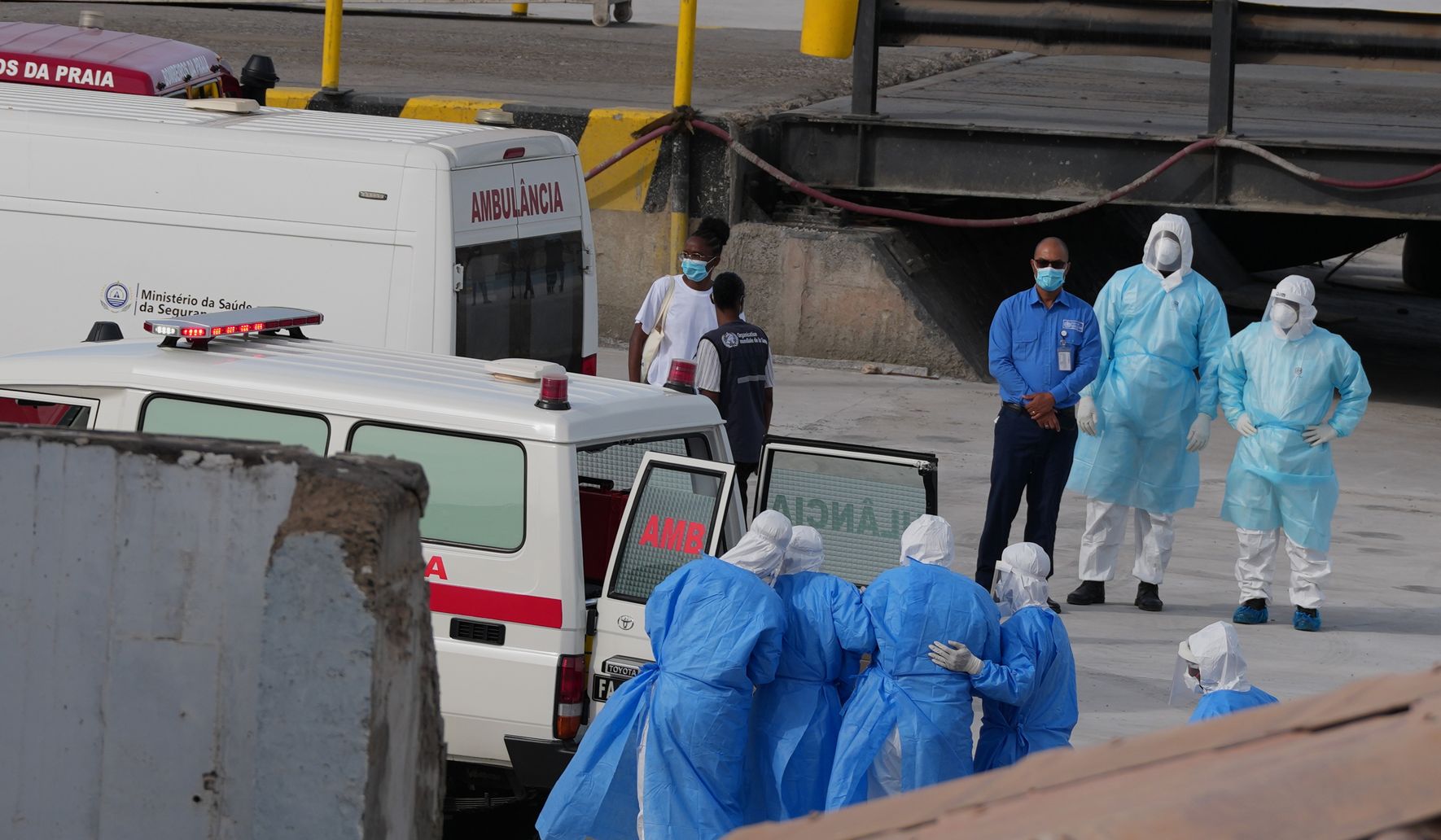
A KLM flight attendant from Haarlem, the Netherlands, was hospitalized in Amsterdam with a suspected hantavirus infection after briefly coming into contact with a dying passenger linked to a Cape Verde ship case.
The flight attendant, who worked for KLM and lives in Haarlem, was admitted to a hospital in Amsterdam after doctors suspected a hantavirus infection following brief contact with a critically ill passenger. Local health authorities confirmed the case is under investigation and that the crew member is receiving supportive care while test results are pending. KLM and airport health officials have been notified and are cooperating with contact tracing efforts.
Hantaviruses are a family of viruses typically carried by rodents; infections in people usually follow exposure to rodent urine, droppings, or nesting materials. Human-to-human transmission is rare and documented primarily with certain strains in South America, so each suspected case prompts careful epidemiological review. Public health teams prioritize laboratory confirmation and tracing to determine whether this event represents an unusual transmission route or a different exposure entirely.
Symptoms of severe hantavirus infection can include high fever, severe muscle aches, abdominal pain, vomiting, and respiratory distress that may progress rapidly to hantavirus pulmonary syndrome. Because early symptoms can resemble common viral illnesses, clinicians often rely on exposure history, imaging, and specialized blood tests to reach a diagnosis. In hospitals, treatment focuses on intensive supportive care and monitoring, since no specific antiviral therapy is widely approved for most hantavirus strains.
Airline crews and passengers who may have been near the ill passenger are being identified for follow-up, though brief contact does not automatically mean infection. Health officials typically assess the duration and proximity of exposure, the presence of symptoms, and any likely environmental sources, such as rodent contamination. Authorities emphasize that routine airline operations and travel do not pose the same risk as direct exposure to contaminated rodent environments.
KLM said it is assisting with the investigation while maintaining safety protocols for staff and travelers, and airport health services in Amsterdam are coordinating testing and isolation procedures as needed. The crew member’s condition is being monitored, and test results could take days to confirm the specific virus strain. In the meantime, standard infection-control measures are in place to limit any potential spread and to protect other crew members and passengers.
Public health experts note that many hantavirus infections start after exposure to rodents in rural or semi-rural settings, such as around homes, barns, or storage areas where mice or rats nest. In contrast, transmission linked directly to travel or enclosed public spaces is uncommon, which is why investigators will trace the timeline of the passenger’s illness and any known rodent exposures. Identifying the precise source helps shape appropriate public health guidance for both the airline workforce and the general public.
Healthcare providers remind anyone with recent exposure to a confirmed or suspected hantavirus case to watch for fever, severe muscle pain, and respiratory symptoms and to seek medical attention promptly. Early communication with public health authorities helps ensure timely testing and appropriate care without delaying necessary isolation or treatment. For now, officials continue to gather lab results and case details while maintaining transparency about the investigation and patient care status.

