

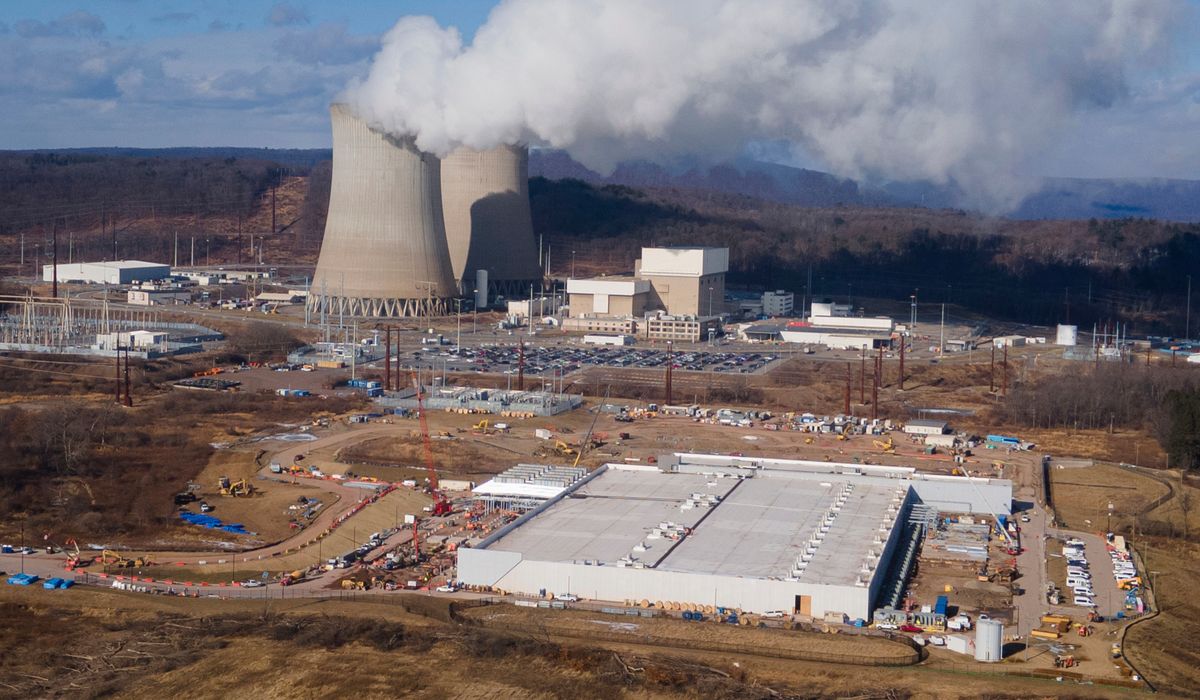
Seven in 10 U.S. adults told pollsters they do not want an AI data center built near them, with 48% saying they “strongly oppose” such projects.
Public resistance to local AI data centers has become clear in recent polling, revealing widespread unease about facilities many residents still struggle to understand. The headline figure — seven in 10 adults opposing nearby buildouts — signals more than a squabble over zoning; it reflects broader questions about technology, community trust, and local control. That level of opposition, including the nearly half who “strongly oppose” these centers, will shape how companies approach siting and outreach.
Concerns driving the pushback come in a few distinct flavors: environmental impact, infrastructure strain, perceived secrecy, and a general unease with something labeled “artificial intelligence.” Residents worry about increased power demand and what it means for local utilities and rates. Noise, traffic during construction, and changes to the look and feel of neighborhoods also register as immediate, relatable issues for people living nearby.
Beyond the physical footprint, folks express worries about transparency and oversight. Data centers are often operated by large, out-of-town companies that keep technical details under wraps for security or competitive reasons. That lack of clear information feeds suspicion and makes it easier for opponents to paint projects as imposed rather than negotiated with the community.
Economic promises from developers can help, but they do not always sway local sentiment. Companies point to jobs, tax revenue, and business growth as benefits when pitching projects to cities and counties. Still, many residents weigh those promises against possible drops in property values and the perceived loss of local character, and for a large share of people those concerns outweigh potential gains.
Local governments sit in the middle of these disputes and face tough trade-offs. Officials must balance the desire to attract new investment with the need to respond to constituents and protect community standards. Zoning rules, environmental reviews, and public hearings become battlegrounds where technical assessments meet public sentiment.
Some municipalities are already changing how they handle data center proposals, tightening permit requirements and demanding more community engagement up front. That can mean stricter environmental studies, clearer disclosure on energy use, or mandatory community benefit agreements. When developers bend toward more open communication, opposition sometimes softens, but not always.
Energy consumption is one of the stickier practical problems. Large compute facilities need steady, substantial power supplies, and that raises questions about whether locals will subsidize new demand through infrastructure upgrades. Communities with strained grids fear higher costs or reduced reliability, while those with cleaner energy goals worry about how added consumption fits into climate plans.
Security and data privacy concerns also color how people see these builds. Even when a project is framed as an infrastructure upgrade, the term “AI” tends to spark anxieties about surveillance, control, and the unknown capabilities of advanced systems. Without clear, easy-to-understand explanations of safeguards, vague fears can become potent opposition.
Developers who succeed in getting projects over the line tend to do two things well: listen early and be specific about benefits. Meaningful community engagement that goes beyond a single public meeting — and concrete commitments tied to local needs — helps reduce the perception that decisions are purely corporate. When commitments are enforced through binding agreements, communities feel less like they have been promised something that may never materialize.
Still, the high level of opposition suggests this will not be a quick cultural adjustment. Communities that are skeptical today may remain so until they can see tangible, trustworthy evidence that a data center will be an asset, not a liability. For policymakers and companies alike, the poll is a clear cue to address both the practical impacts and the underlying trust gap.
Long-term acceptance will depend on how well stakeholders translate technical plans into concrete local outcomes, whether that means better infrastructure, shared economic gains, or stronger environmental protections. Until then, the numbers from the recent poll are likely to keep shaping where and how AI-related infrastructure is proposed and approved.

