

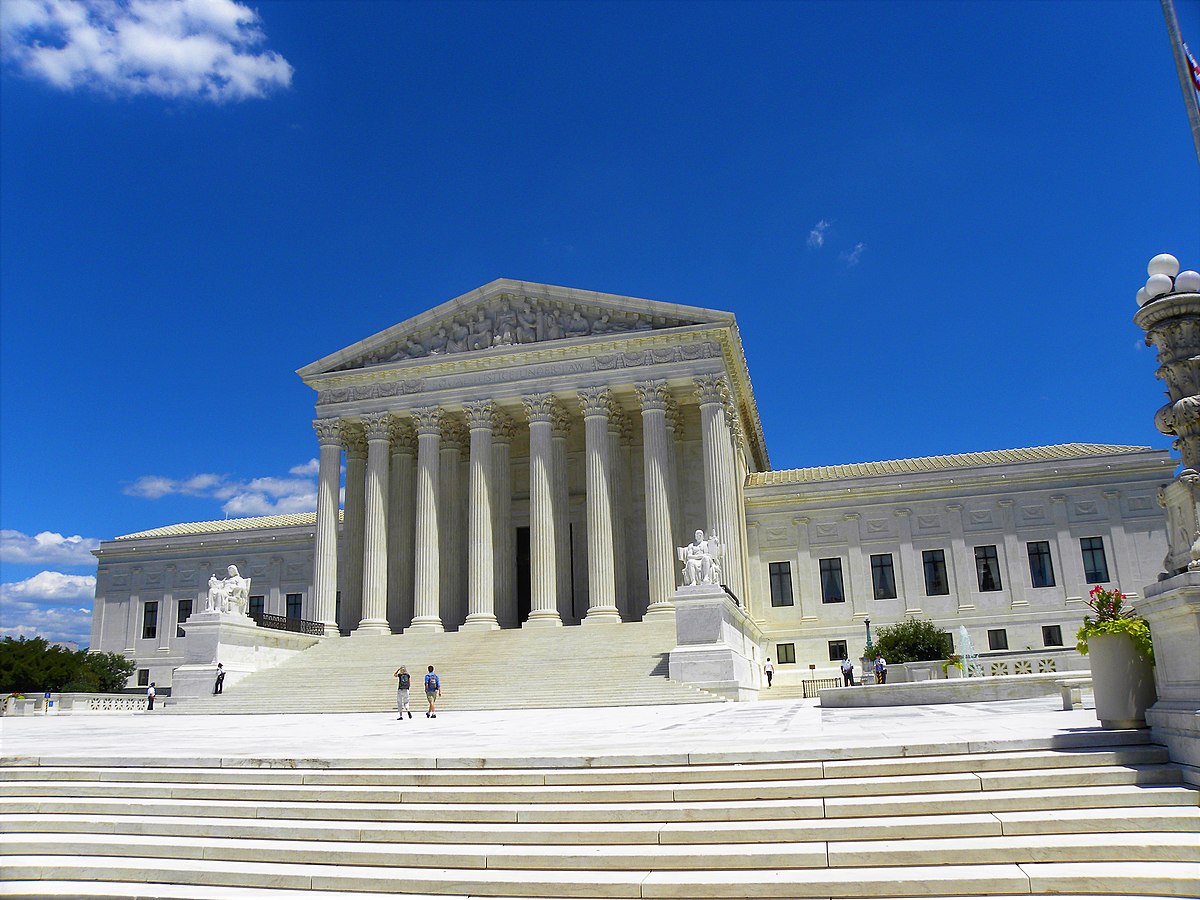
Louisiana’s law and the legal fight over who enforces it are at the center of a tense clash between state authority and outside actors, with a Supreme Court opinion pointing to deliberate efforts to undermine enforcement.
“Louisiana’s [pro-life] efforts have been thwarted by certain medical providers, private organizations, and States that abhor laws like Louisiana’s and seek to undermine their enforcement,” wrote Justice Alito. That plain observation matters because it names the tactic: blocking enforcement by outside pressure rather than debating the law on its merits. When enforcement is choked off by actors who operate across state lines, state sovereignty and the democratic process suffer.
States pass laws through their elected representatives and should expect those laws to be enforced. If private groups, medical providers, or neighboring states can neutralize enforcement through lawsuits, subpoenas, or operational pressure, the law becomes a paper promise. That creates a perverse incentive structure where the most determined opponents can effectively veto state policy simply by attacking enforcement mechanisms.
From a conservative perspective, this is about more than abortion alone. It is a constitutional argument about federalism and the proper role of courts, private litigants, and administrative actors in determining which laws live and which die. Allowing enforcement to be undermined by extra-state pressure invites a patchwork where the rule of law bends to whoever mounts the loudest or most resourceful campaign.
There are practical consequences. Hospitals and providers facing complex legal risk will change behavior to avoid litigation, even if the original law would permit their actions. Private organizations can file suit or mount public campaigns that impose financial and reputational costs. States that oppose a law can offer legal assistance or incentives to challengers, turning intergovernmental rivalry into litigation warfare.
That dynamic harms people who rely on clarity and predictability from their legal system, and it strains the compact between citizens and their state governments. When enforcement is inconsistent, ordinary residents face uncertainty and unequal treatment depending on how aggressively enforcement is defended. That instability is especially damaging for laws tied to deeply held moral and ethical questions, where predictability on both sides of the issue is necessary for honest public debate.
Courts play a role, but judges should not become substitutes for the political process, nor should judicial procedures be used as a tool to sidestep enforcement in favor of policy outcomes favored by out-of-state interests. A balanced approach recognizes the judiciary’s duty to interpret law while respecting the mechanisms states use to implement and enforce their statutes. That balance protects local decision-making and limits federal overreach.
There are also simple, strategic fixes that respect democratic choice while preserving due process. States can strengthen enforcement mechanisms, clarify regulatory responsibilities, and design legal frameworks that make it harder for external actors to launch purely tactical challenges. At the same time, transparency around funding and coordination by outside groups would expose efforts to weaponize litigation and public campaigns against state laws.
Public debate should be robust and honest, not traded for legal maneuvers that freeze policy in place. If opponents want a law changed, they should win votes or pass countermeasures through the political system rather than use cross-state litigation and pressure to nullify enforcement. That restores accountability, preserves state authority, and ensures that contested laws are resolved by the people and their representatives.

