

The piece examines claims that oil markets are rigged, weighs the effects of the Iran war on prices, compares today’s supply and demand to 2008, and explains why fundamentals—not a shadowy conspiracy—are the main drivers of energy prices.
The conflict in Iran has pushed global energy prices higher, but the reaction in markets is more nuanced than simple panic. US crude sits near $95 a barrel, Brent is slightly above $100, and the national pump price averages about $4.50 per gallon. Much of the pressure stems from disruptions at the Strait of Hormuz, which handles roughly 20% of global seaborne oil flows.
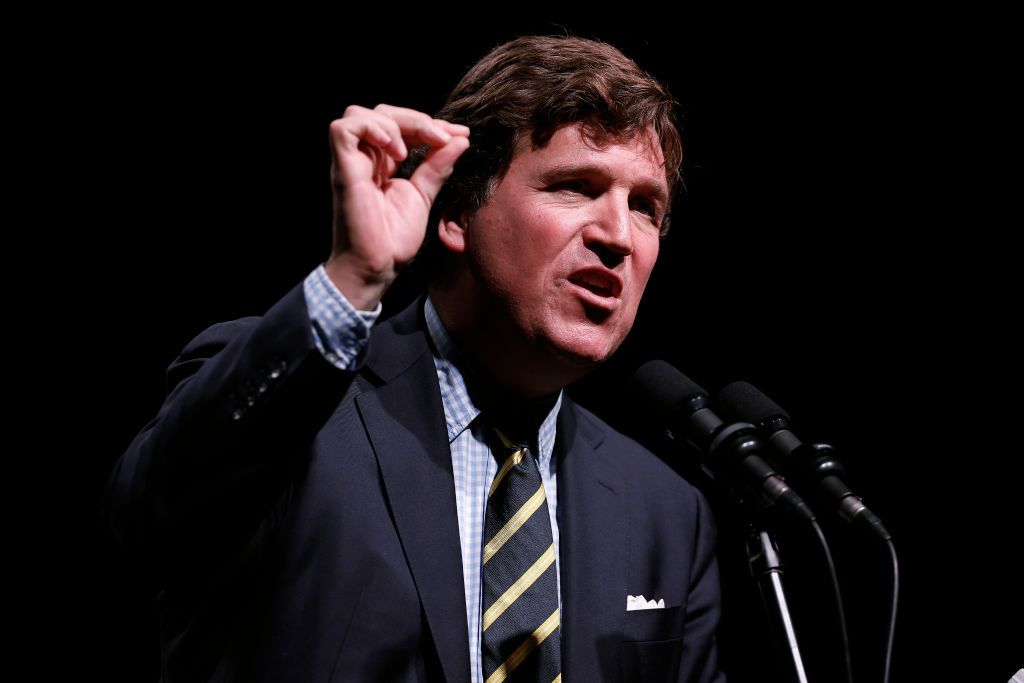
Former Fox host Tucker Carlson recently argued that prices should be much higher given the extent of the disruption and suggested markets are not playing fair. He pointed to commodities trading that seems muted despite weeks of bad news and implied that some players are profiting while ordinary investors are left behind. That allegation raises real questions, but the market picture is more complex than a single hidden hand.
Two decades ago, crude spiked to around $140 a barrel amid stagnant output, surging demand from emerging markets, geopolitical turmoil, and a weak US dollar. Today’s backdrop includes strong consumption, conflict in multiple regions, and a softer greenback over the past year, so a knee-jerk comparison to 2008 is tempting. But the structure of supply and demand has shifted dramatically since then.
Domestic production in the United States is near 14 million barrels per day, compared with roughly five million during the 2008 crisis. Globally, output has climbed to about 100 million barrels per day, up from roughly 85 million in 2008, giving the market far greater spare capacity. That extra supply acts like a buffer, keeping short-term shocks from turning into runaway prices the way they did in the past.
Inventory levels also look different. The Strategic Petroleum Reserve currently holds around 400 million barrels, meaning there is a substantial domestic cushion even if it is smaller than a prior peak. Global emergency stocks are above one billion barrels with technical capacity reaching toward 1.8 billion, providing an international backstop that was less robust in 2008. Those stockpiles change how traders and physical buyers assess near-term shortages.
Markets are forward-looking and often move on expectations rather than current headlines. Financial traders price in anticipated resolutions, supply rerouting, and demand changes long before tankers restart normal runs through chokepoints. That forward discounting can make prices appear oddly calm amid bad news, even if underlying tensions remain real and dangerous.
Recent analysis from JPMorgan Chase indicates demand has fallen by about four million barrels per day since joint US‑Israel operations began, a larger decline than the roughly 2.5 million barrels per day decline seen during the Great Recession. Regional shortages in parts of Asia and the Pacific, and warnings from Europe about future supply strains, are visible facts. Those regional problems coexist with global oversupply and inventory buffers, producing mixed signals for price direction.
“Over the past couple of months, public markets have not been what they told us they were, which is to say, open and free, equal for everyone to participate in… gonna take a long time for that understanding to percolate down to the level of retail investors. The knowledge is there, and you can’t kind of deny it. Some people are getting rich from this, and most people aren’t.”
Insider trading and opportunistic behavior do happen in commodity and futures markets, and futures markets can attract speculative flows that distort short-term moves. Still, the broad direction of energy prices is set by macro fundamentals: how much oil is being produced, how much is sitting in storage, and how fast consumers are burning it. Those basic facts explain much of what we see today.
Calling the entire market rigged overlooks how capacity, inventories, and forward expectations interact. Prediction markets and futures contracts provide price discovery that can look irrational at times, but they also reflect real economic signals about supply, demand, and geopolitical risk. In a world producing more oil and holding larger reserves than in 2008, fundamentals have more influence than a single conspiratorial explanation.

