

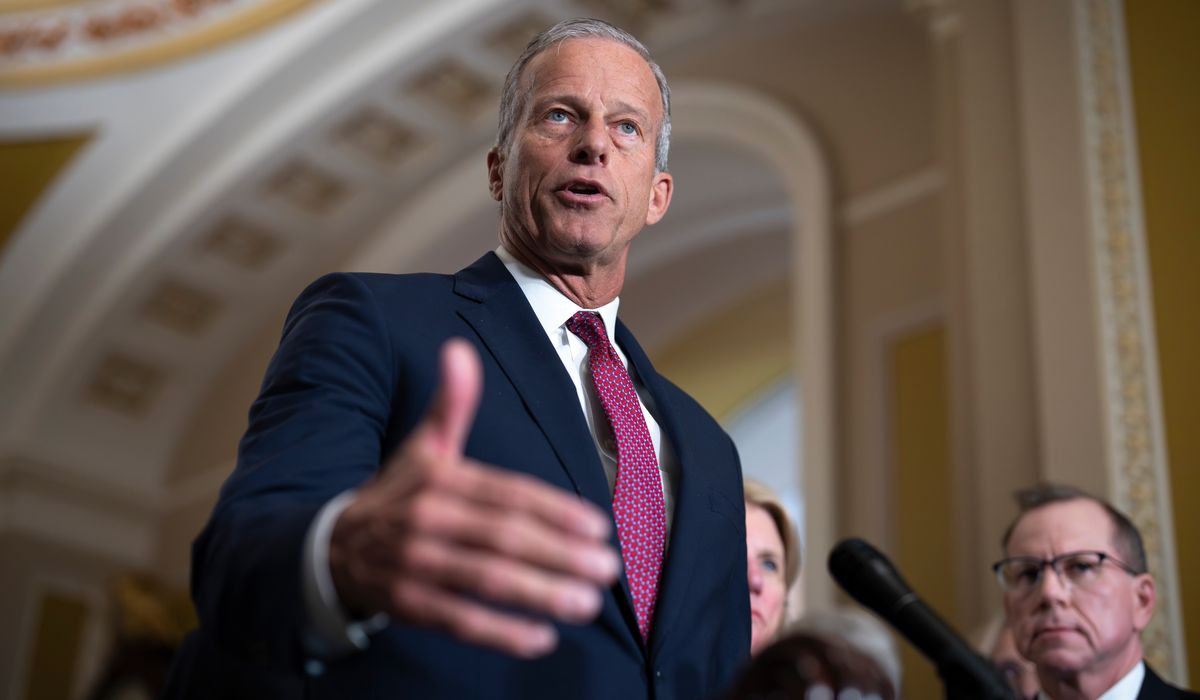
Senate Republicans face a choice: reshape parts of their $72 billion immigration-enforcement funding plan so it can clear the Senate under filibuster rules, while keeping a hard line on border security and enforcement priorities.
Republican senators are working through a practical problem that is political and procedural at once. The current draft of the $72 billion immigration-enforcement package has elements that could trigger objections or require more than 60 votes to pass. That reality forces a rethink if the goal is to keep the bill filibuster-proof and still deliver tough, enforceable measures at the border.
Conservative senators insist any funding must strengthen enforcement, not expand pathways that encourage more illegal crossings. They want money tied to operational needs like detention capacity, manpower, and technology so Customs and Border Protection can do the job. Lawmakers also want accountability provisions that make sure new dollars are tracked and used only for these purposes.
At the same time, some provisions in the package risk alienating moderate Republicans and independents who worry about overreach or hidden spending. Those members are wary of language that could be interpreted as opening up new benefits or long-term programs without clear limits. The leadership has to trade off ideological purity against the math needed to beat a filibuster.
Many Republicans argue the public wants secure borders and firm enforcement above all else. Polling shows voters prioritize stopping illegal immigration and restoring order at the ports of entry. That political pressure pushes senators toward a package that looks and feels robust on enforcement, rather than one bloated with uncertain extras.
Senators also face procedural fences beyond votes, including floor managers who will demand clean text and no ambiguous riders. A patchwork bill with last-minute amendments invites floor fights that could derail the entire effort. The smart play is to strip anything nonessential and focus on a narrow, enforceable slate of spending items that build credibility.
Negotiations are not just about policy details but about messaging. Republicans need to show they kept promises on border security while demonstrating fiscal discipline. That means clear limits, sunset clauses, and reporting requirements that will help the party sell the bill to constituents and skeptical senators alike.
There is also a strategic element: preserving filibuster-proof status keeps Republican leverage on future immigration debates. If the party allows the Senate rules to be bypassed or eroded, it risks losing a structural advantage. Protecting the filibuster is, for many, a way to ensure any long-term changes will require bipartisan support, not one-party decisions.
Practical fixes on the table include tightening eligibility language, narrowing funding buckets to specific enforcement tools, and adding transparent auditing measures. Those adjustments could placate moderates without abandoning core conservative principles. The aim is to produce a bill that is both tough and passable under current Senate rules.
Time is limited and optics matter: a failed vote on a major enforcement bill would hand political cover to opponents and feed criticism that Republicans talk tough but can’t deliver. Successful passage would let the party claim concrete wins on border security while keeping control of the legislative agenda. The choice now is whether to prioritize procedural victory or perfect policy, and many Republicans are betting on doing both by rewriting parts of the package so it withstands filibuster scrutiny.

