

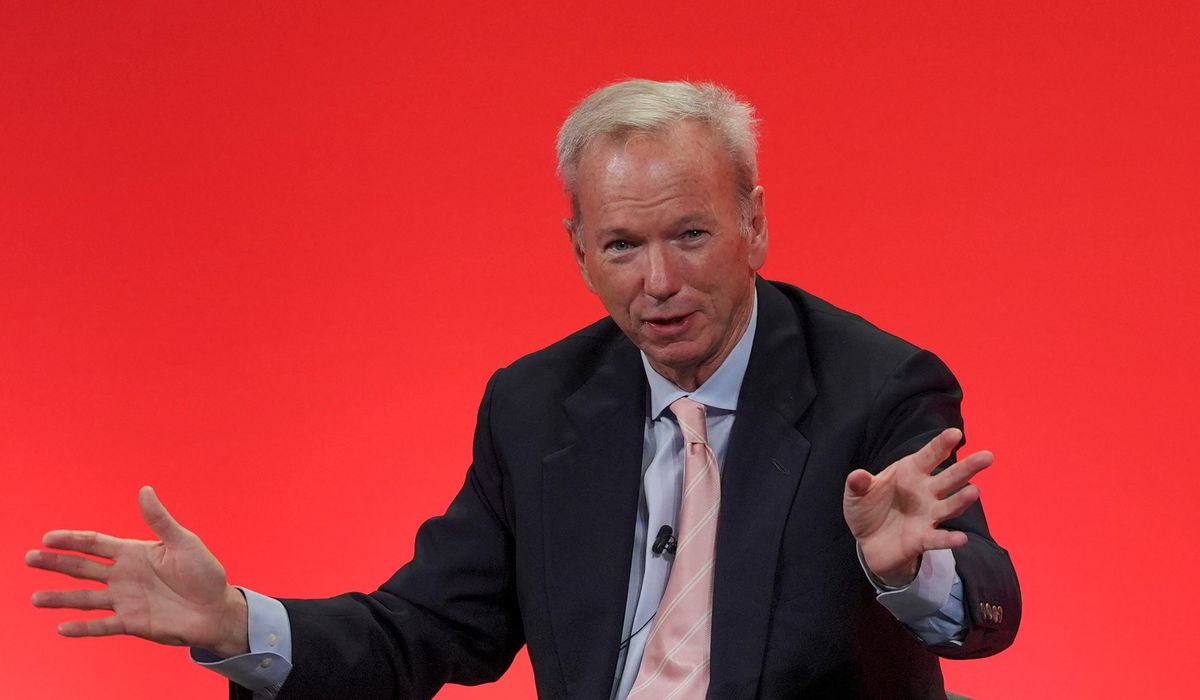
College commencements this season have become tense stages where worries about artificial intelligence and future careers interrupt the usual celebration, and graduates are increasingly vocal about the uncertainty AI brings.
As artificial intelligence casts a shadow over career prospects, it is becoming an unwelcome subject at this season’s college commencements. At several campuses, graduates have interrupted speakers to press the point and demand attention. That unease is no longer whispered in dorm rooms; it is being shouted from graduation lawn podiums.
Students who once celebrated the end of exams now face a job market reshaped by automation and algorithms. Those anxieties show up as boos, shouted questions, and walkouts during addresses meant to be uplifting. The disruptions signal a generational shift in how young people view technology and employment stability.
Universities find themselves stuck between encouraging innovation and calming students who fear being displaced by machines. Career centers are trying to offer new guidance while academic departments debate how quickly curricula should change. Administrators are juggling alumni expectations, donor relationships, and a student body that wants concrete answers.
Speakers at ceremonies are also adapting, often touching on technology as part of their remarks and sometimes paying the price. When a graduation address leans into optimism about AI, some graduates respond with skepticism or anger instead of applause. That reaction reflects a broader cultural conversation about who benefits from tech advances and who gets left behind.
Employers add to the confusion by advertising roles that blur the line between human skill and automated systems. Recent grads read job listings that demand expertise in AI tools alongside soft skills, and many wonder if those roles will even exist in five years. The result is a mix of eagerness, caution, and outright fear as young professionals plan their next steps.
Faculty and industry partners argue that retraining and interdisciplinary learning are the practical responses to the AI era. They point to data showing new kinds of jobs emerge even as others disappear, and they lobby for faster updates to majors and certificates. Still, changes take time, and students want solutions now, not semester-by-semester fixes.
Courtroom battles, policy debates, and corporate roadmaps all play into the narratives graduates bring to commencement. For many, the spectacle of speakers and applause cannot mask the looming question of whether their degrees will translate to stable wages. That tension turns graduation into a forum for urgent, sometimes messy, public debate.
Parents and older alumni often expect commencement to be a day of closure and pride, which makes the interruptions harder to swallow. Graduation organizers are learning to plan for emotionally charged moments and to coach speakers on handling hecklers. Even with precautions, though, the core issue remains unresolved: how to balance technological progress with job security for new graduates.
Some schools are experimenting with partnerships that give students hands-on AI experience alongside ethics and policy training. These programs try to equip graduates with both technical fluency and a framework to navigate the social impacts of automation. Whether that mix will ease commencement tensions is still an open question, but institutions are clearly trying to respond.
In the meantime, commencement season feels less like a neat ending and more like an urgent town hall where futures are being negotiated in real time. Graduates are no longer content to accept scripted optimism when their livelihood feels uncertain. That shift makes every speech, every interruption, and every reaction part of a larger story about work, technology, and who gets to define progress.

