

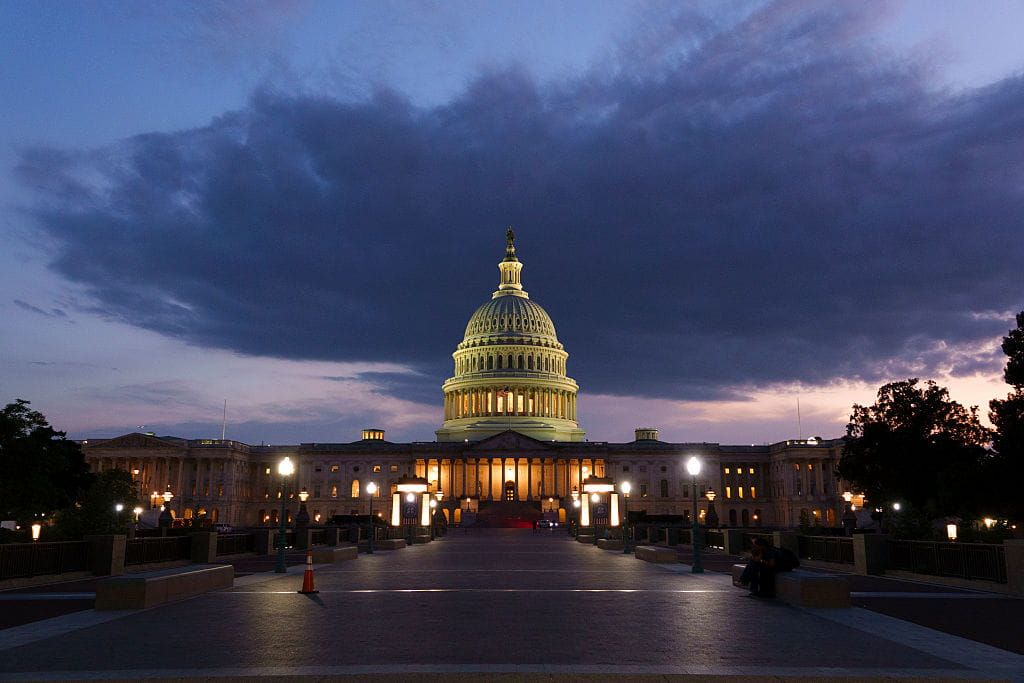
On Jun 12, 2026, conservatives in Congress watched four separate attempts to rein in FISA surveillance collapse, leaving civil liberties and oversight advocates frustrated.
Congress has once again punted on real reforms to the Foreign Intelligence Surveillance Act, and that matters. For Republicans who value a balance between security and privacy, this pattern is unacceptable. It signals a Washington unwilling to hold surveillance power to account.
“Four separate attempts, four separate failures.” Those words capture the sting of repeated legislative setbacks and a growing distrust among constituents. When fixes fail repeatedly, suspicion grows that entrenched interests prefer the status quo.
The core complaint is simple: FISA, as applied today, lets the government cast nets so wide they can sweep up ordinary Americans’ communications. Republicans argue that surveillance tools meant for foreign threats have expanded into a domestic dragnet. That expansion threatens the privacy rights the Constitution was designed to protect.
Lawmakers pushing reform emphasized stricter minimization, clearer probable cause standards, and better judicial supervision. Each proposal aimed to restore limits without undermining bona fide national security uses. Yet the measures never secured the votes needed to change practice or law.
There are plenty of reasons for failure, ranging from procedural roadblocks to bipartisan complacency. Some members of Congress worry about appearing to weaken intelligence collection in an era of real threats. But caution cannot become an excuse for leaving unchecked authority in place.
Republicans on the Hill have framed this fight as a defense of individual liberty against bureaucratic overreach. That message resonates with voters who worry about their private data being swept up in broad, secretive programs. The argument is straightforward: security that erodes freedom is a poor bargain.
Practical reforms would include clearer definitions of foreign intelligence targets, limits on warrantless queries of domestic data, and stronger penalties for abuse. Republicans propose these tweaks not to hobble investigators, but to make oversight meaningful and transparent. The goal is accountable tools that work within constitutional bounds.
Critics of reform often invoke the need to keep tools available for counterterrorism and counterintelligence. That concern is valid, but it does not justify blanket secrecy or indefinite collection without robust checks. A system that balances safety and liberty is achievable, and many Republican sponsors say they are willing to work with colleagues who share that aim.
Voters should know what their representatives are voting to preserve. Transparency about how surveillance works and who is targeted would reduce public anxiety and increase trust. Republicans argue that sunlight is the best disinfectant for intelligence excesses.
The repeated failures on Jun 12, 2026, and in the weeks before, expose a deeper problem in Congress: lawmaking inertia. When critical civil liberties issues hit partisan and procedural walls, real reform stalls. That reality fuels calls for new leadership on the topic and for lawmakers who will actually deliver change.
The debate will continue, because Americans across the political spectrum care about both security and privacy. For Republicans, the imperative is clear: protect the nation while protecting the Constitution. Returning FISA to its limited, targeted purpose is a straightforward conservative principle worth fighting for.

