

A concise look at how a presidential endorsement can boost a campaign, reshape a primary, and create tradeoffs that matter well beyond a single race.
The influence of a president’s endorsement is real and measurable, but it is not unlimited. In primaries it can settle contests quickly, driving donors and voters toward a single name, but in general elections the same stamp can polarize swing voters and energize opponents. This tension explains why endorsements are both a blunt instrument and a strategic tool.
Where the president’s influence peaks – and fades. In the heat of a primary, an endorsement acts like a signal: it tells activists which candidate has standing with the party’s leader and who is likely to get institutional support. That signal often converts into money, volunteers, and media attention almost overnight, shortening crowded nominating fights and clearing a path for a chosen contender.
May 22, 2026 sits among recent examples where endorsements reshuffled contested fields and forced strategic decisions. Endorsements compress choices for voters who want to back a winner and for donors who want efficient returns. For a party aiming to win back the White House or defend legislatures, that compression can be an asset when deployed selectively and with an eye toward electability.
But the boost comes with costs. A presidential endorsement can tint a race with national baggage, turning otherwise local debates into referendum-style contests on the president’s record. That means a candidate who thrives on local competence might suddenly be judged by national controversies, and in swing suburbs or moderate districts that can hand an advantage to the opposing party.
From a Republican viewpoint, the endorsement is a power to wield, not an automatic guarantee. It rewards loyalty and discipline, which are crucial for conservative governing plans, yet it must be used to improve the ticket’s overall prospects rather than to settle personal scores. Smart use focuses on candidates who can win competitive districts and who share core priorities, not merely on those who check a loyalty box.
There is also a quality control problem. When endorsements elevate weak or scandal-scarred nominees, the party risks forfeiting winnable races. Local activists and primary voters often prefer outsiders or insurgents, and inserting the president’s preference can sometimes override practical vetting. That makes coordination and candidate vetting essential to avoid tradeoffs that cost seats in the long run.
Endorsements also shape the post-primary landscape. A backed candidate generally enjoys better fundraising and higher name recognition, which makes intra-party unity easier to secure. Yet the same name recognition can harden opposition narratives, so the follow-up strategy matters: capitalize on momentum but pivot quickly to local issues voters care about to blunt nationalized attacks.
Finally, endorsements are a long-term signal of political alignment and future support. They tell donors and officeholders where the party’s center of gravity is moving, and they can lock in policy priorities for the next cycle. Used with discipline and an eye for electability, they are a powerful tool for Republicans seeking to translate national energy into real gains without losing sight of the practical demands of winning contested seats.
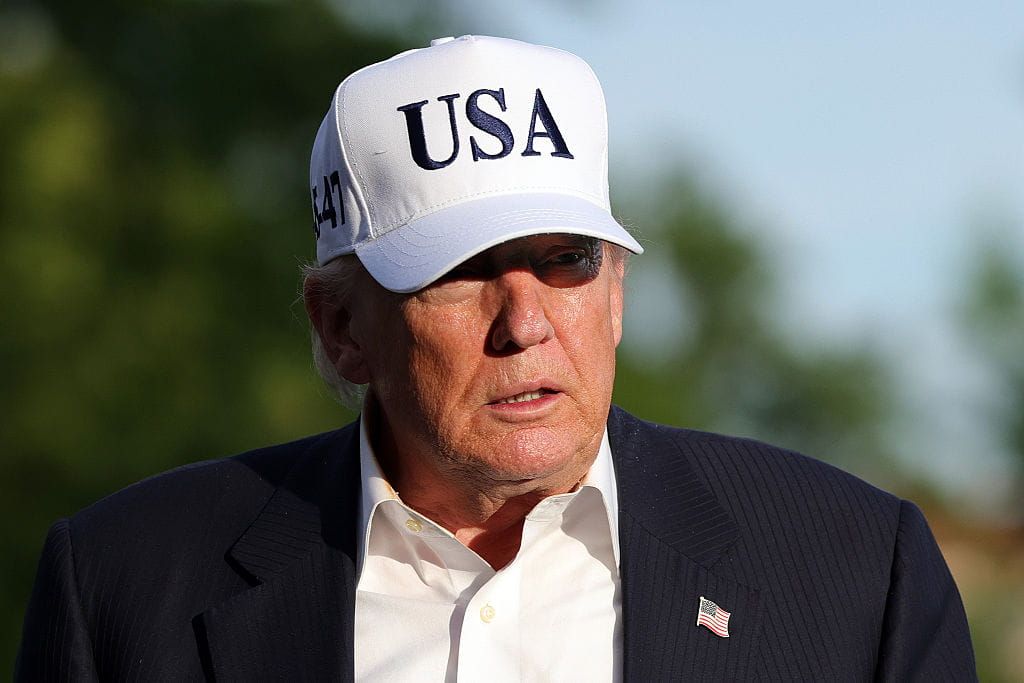
Donald Trump — (Photo by Kevin Dietsch/Getty Images)

