

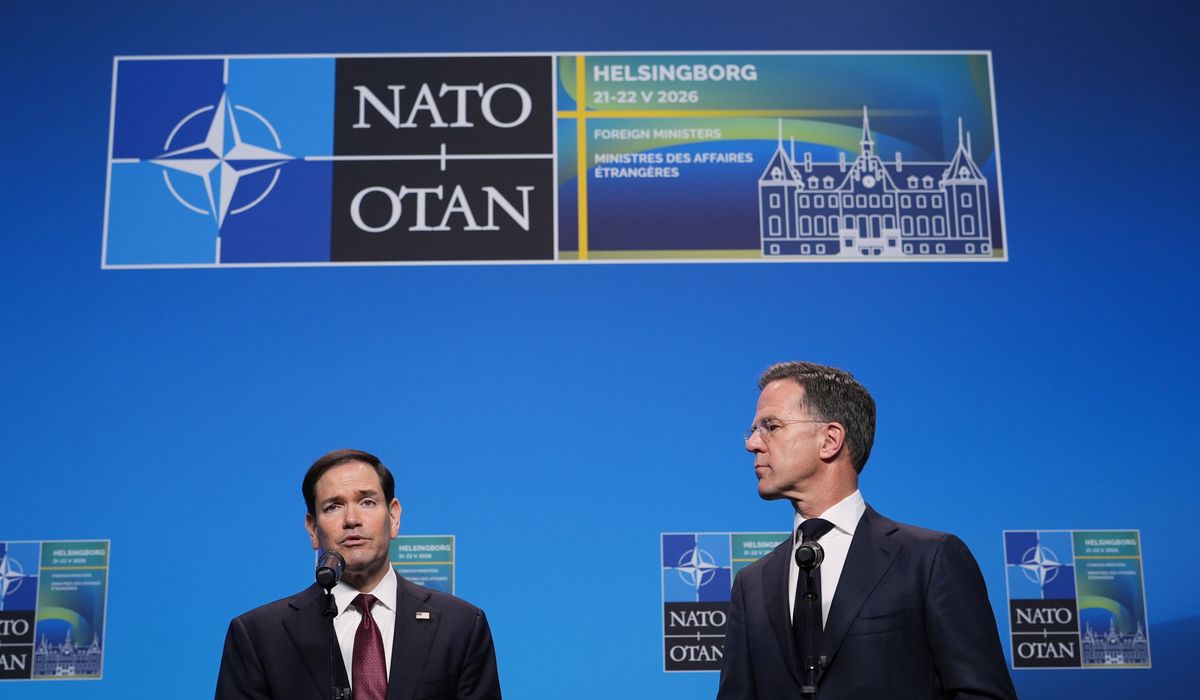
NATO allies and defense officials expressed bewilderment at President Trump’s announcement that he would send 5,000 U.S. troops to Poland just weeks after he ordered the same number.
The announcement landed fast and loud, and it caught many allies off guard. Saying the United States would send 5,000 troops to Poland only weeks after ordering that same number created a jolt in NATO headquarters and among defense officials. That bewilderment came from the clash between a bold policy move and the slow churn of multinational planning.
From a Republican viewpoint, decisive moves like this are a feature not a bug. The commander in chief setting a clear posture sends a message that America will not be passive while friends face pressure. Troop commitments are tangible proof of resolve, and sometimes leadership looks abrupt to those used to endless deliberation.
Confusion among NATO bureaucrats was predictable because alliance management is meant to smooth out surprises. Complex coordination between capitals, commands, and host nations does not always match the tempo of political decisions. Weeks can separate a presidential order and the public announcement, yet skeptics treat timing as contradiction.
Sending forces to Poland strengthens deterrence in a practical way. A visible U.S. presence imposes real costs on any actor considering aggression and gives partners confidence to invest in their own defenses. That is how deterrence works, through posture and presence rather than just words.
Republicans rightly press allies on burden sharing, but that is not an excuse to step back. The United States leads because it must, and leadership sometimes requires stepping up before every partner is ready. Encouraging NATO nations to match ambition is important, but it should not replace a clear American commitment when stability is at stake.
Operationally, moving 5,000 troops is a logistics challenge that takes planning, permits and host nation arrangements. Commanders and planners often need extra time to align infrastructure, basing options and sustainment lines, so the interval between an order and public confirmation is not evidence of contradiction. What looks like mixed signals is often the normal friction of turning policy into deployable forces.
The optics in Europe mattered because the announcement forced a public debate on NATO posture and responsibilities. Allies and pundits voiced bewilderment, which is understandable, but debate is healthy if it sharpens clarity. A forceful announcement can break complacency and make allies reckon with security choices faster than routine diplomacy would allow.
No military move is free of risk, and critics worry about escalation. Yet a clear, robust presence can reduce the chance of miscalculation by making the cost of aggression unambiguous. The tradeoff is between the discomfort of a stronger posture now and the greater risk of instability if deterrence is left vague.
At the end of the day, the move underscored a simple point: leadership sometimes arrives as surprise, and that is part of responsibility. Allies may grumble, bureaucrats may puzzle, but a credible American commitment reshapes calculations on the ground. For those who value a secure Europe, a strong posture backed by real forces is a message that cannot be ignored.

