

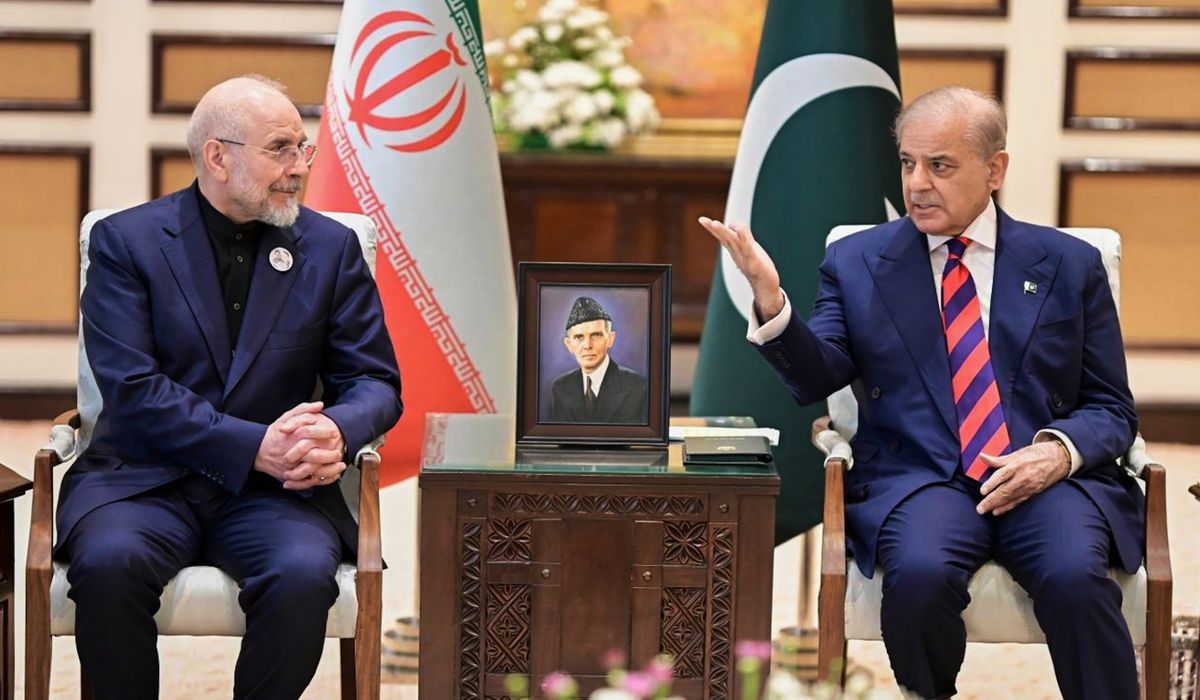
Iran signaled willingness to resume negotiations with the United States during talks with Chinese and Belarusian officials, a move that shifts regional diplomacy into focus and raises questions about leverage, verification, and allied security.
Iran’s parliament speaker and lead negotiator in diplomatic talks with the U.S., Mohammad Bagher Ghalibaf, told representatives from China and Belarus Friday that Tehran was prepared to restart talks. That statement landed in a region already jittery about Iran’s intentions and its expanding partnerships. The timing matters because negotiations can change incentives on the ground, for better or worse.
Seeing Tehran sit down with distant mediators while courting China and Belarus points to a strategy: diversify partners and insulate diplomatic options. From a Republican perspective, that looks like Iran trying to buy time and wiggle room while keeping sanctions relief on the table. The danger is that talks without ironclad verification can let Tehran gain leverage without giving up its most threatening capabilities.
U.S. policymakers should treat any restart of talks like a test, not an automatic reset of policy. Congress needs clear, enforceable benchmarks before any relief is considered, and oversight must be real and ongoing. Republicans will push for transparency and tough conditions so negotiations do not translate into instant concessions for Tehran.
Allied concerns cannot be an afterthought when Tehran re-enters the diplomatic track, especially for partners like Israel and Gulf states that face Iran’s regional ambitions directly. A negotiation that sidelines their security or ignores missile and proxy programs will hollow out any agreement’s credibility. Republicans argue that strong coordination with allies must be a central part of any U.S. posture.
The presence of China and Belarus in these conversations is not neutral; it underscores how Tehran is leaning on state partners to shape outcomes. That should set off alarms in Washington about strategic competition and influence. Republicans see this as another reason to avoid naive engagement and instead maintain pressure while offering clearly conditioned diplomacy.
Verification is the transactional heart of any serious negotiation, and it can’t be an afterthought or a set of vague promises. Republicans insist on robust inspections, immediate access for monitors, and snap-back mechanisms that bring back sanctions instantly if Tehran cheats. Without those tools, talks risk becoming a cover for delay and deception.
Domestic politics in the United States will shape how far any negotiation can go, and Republicans will demand strict oversight and a voice in final decisions. Lawmakers will look for binding verification steps and legislative paths to prevent premature relief. The goal is to ensure any diplomatic opening truly improves American and allied security, not just Iran’s finances.
Diplomacy with Tehran has to be tough and strategic, not sentimental. If talks restart, they should be tethered to clear, measurable outcomes that reduce threats, strengthen regional partners, and keep America’s leverage intact. Republicans will make it plain: negotiations are worth pursuing only if they are backed by real enforcement and credible deterrence.

