

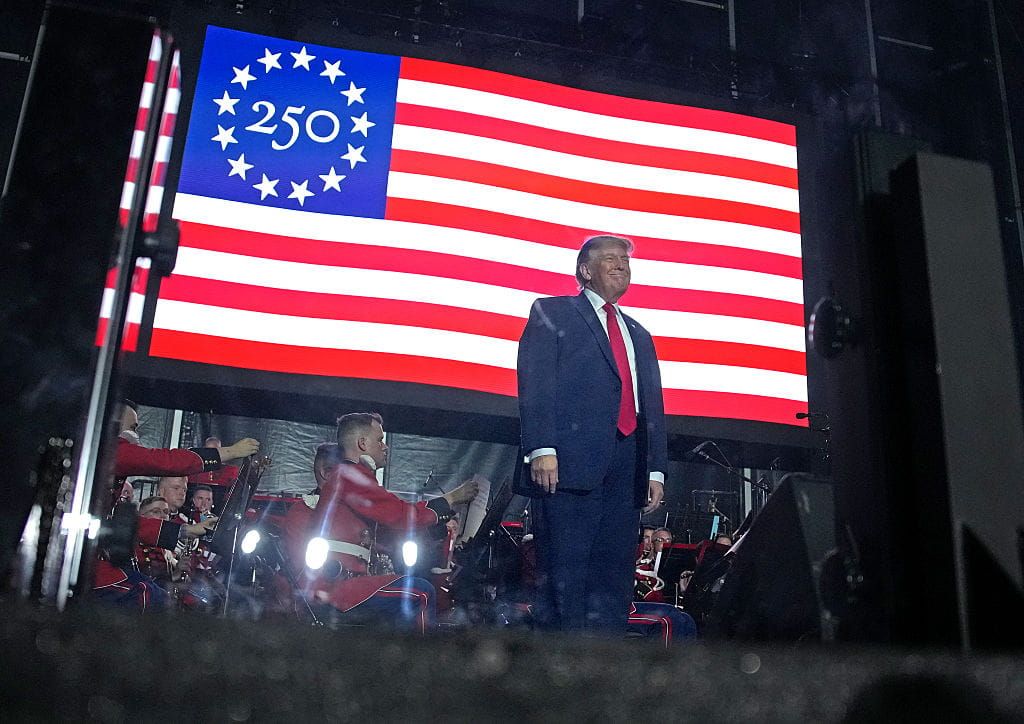
America’s 250th birthday is shaping up as a big mix of pageantry, private celebration, and sober reminders of the founding principles that built this country, with communities and leaders preparing parades, concerts, and civic events around July 2026.
Festivities are already being planned in towns and cities across the nation, and the mood is a blend of pride and careful organization. Communities are leaning on volunteer networks, local nonprofits, and private sponsorships to stage events that celebrate heritage without bloated federal interference. The focus in many places is on music, historical reenactments, and family-friendly public gatherings that highlight local traditions.
“Festivities abound in the land of the free.” That line has been repeated on posters and in event promotions because it hits the right tone: jubilant but rooted in a sense of liberty. Organizers want to keep celebrations authentic, steering clear of partisan pageants while encouraging citizens to participate in neighborhood parades and small-town ceremonies. The phrase has become shorthand for an America that remembers its roots without getting lost in expensive top-down spectacles.
Security will be a practical concern at major gatherings, and local law enforcement agencies are coordinating with private security and municipal planners rather than relying on sweeping federal deployments. Republican-leaning leaders emphasize that public safety is essential, but that it can be achieved with clear chains of command and community involvement. Many cities are prioritizing traffic plans, emergency services, and volunteer marshals to keep crowds safe and events orderly.
Budgeting for the 250th is sparking debate about the proper role of government in celebration. Conservative voices argue for sensible spending that honors the past without turning the birthday into a chance for lavish federal giveaways. Municipal budgets are being scrutinized, with citizens asking for transparency about cost and prioritization of funds toward events that deliver broad community value rather than narrow political messaging.
Private businesses and patriotic groups are taking the lead on a lot of programming, from historic exhibits to pop-up museums and concert series. Sponsors see an opportunity to connect with customers while supporting public history and civic education, and many are underwriting events that spotlight veterans, first responders, and schoolchildren. This model keeps planning local, preserves cultural authenticity, and prevents a one-size-fits-all federal show from dictating how Americans remember their founding.
Education initiatives tied to the 250th are getting renewed attention, with local groups and history-minded nonprofits developing curricula and public lectures. Republican educators are pushing for school programs that emphasize the Constitution, federalism, and individual liberty, aiming to inspire civic responsibility rather than ideological indoctrination. These efforts include town-hall style discussions, student essay contests, and partnerships with libraries to host workshops on the founders’ intent.
Cultural programming will reflect the variety that makes America distinct, from colonial-era commemorations to celebrations of immigrant contributions and regional music traditions. Organizers hope that a broad slate of events can bridge divides by focusing on shared achievements and common values like faith, family, and enterprise. There is a deliberate effort to keep the tone optimistic and forward-looking while honoring the grit and determination that built the republic.
Political leaders will attend some high-profile events, but many local organizers prefer to keep official appearances limited to ceremonial duties and community recognition. That approach is meant to protect the integrity of celebrations from partisan posturing and to make space for ordinary citizens to take center stage. Republican commentators argue that true patriotism means supporting civic life and local institutions, not turning national milestones into political theater.
As July 2026 approaches, volunteers are mounting grassroots campaigns to mobilize neighborhoods for cleanup drives, flag distributions, and small ceremonies at historic sites. These bottom-up efforts reflect a belief that national pride is best expressed through participation and stewardship, not simply through spectacle. The 250th offers a chance for Americans to reconnect with local communities, honor service and sacrifice, and celebrate a nation that, despite its faults, stands for liberty and opportunity.

