

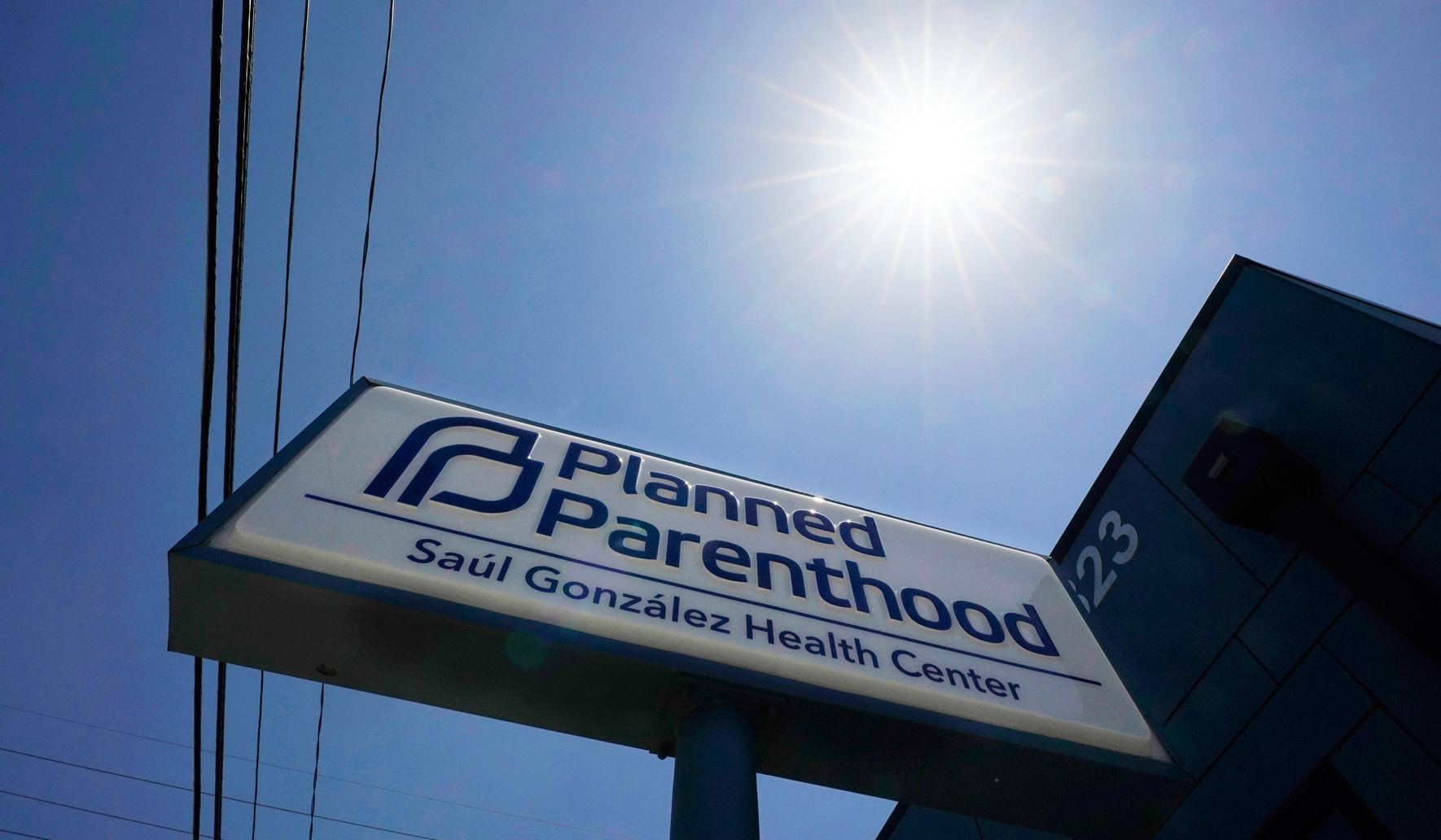
The American Civil Liberties Union dropped its lawsuit against the Trump administration after the Department of Health and Human Services quietly restored millions of dollars in funds to Planned Parenthood.
The move by the ACLU to withdraw its challenge came after HHS reversed course and put millions back into programs that benefit Planned Parenthood. That restoration happened without fanfare, which immediately raised questions about why the change was handled so quietly. The outcome removed the immediate legal conflict between the civil rights group and the administration.
From a Republican perspective, the sequence of events looks like a lesson in political optics as much as law. When an administration restores funds behind closed doors it undercuts the argument that a policy needed strict legal defense. People who opposed those funds see the quiet reversal as proof that political pressure and public scrutiny can force reversals without courtroom drama.
Legally, the ACLU dropping the suit is a straightforward outcome once the challenged policy is no longer in effect. If the government restored funding to Planned Parenthood programs, the basis for the lawsuit likely vanished. That is standard legal practice: when the contested action is undone, plaintiffs often fold the case because there is nothing left to litigate.
Politically, however, this episode exposes two separate concerns. First, it shows the durability of Planned Parenthood as a funding recipient despite sustained opposition from conservative groups. Second, it highlights how administrative agencies can shift resources quietly, which frustrates voters who want transparency and predictable enforcement of policy. Both points matter in future budget fights and oversight hearings.
For conservatives, the restoration of millions of dollars to Planned Parenthood is a reminder that victories on paper can be temporary. Policy wins depend on continued enforcement and clear statutory changes, not just regulatory decisions. That reality reinforces the push to secure longer-term legislative fixes rather than rely solely on executive actions that can be reversed.
The practical effect of the restored funds is that services and programs tied to Planned Parenthood likely continued with fewer interruptions. Clinics and outreach programs that depend on federal support could avoid immediate cutbacks or program delays. At the same time, opponents will press for stricter conditions on funding streams and closer oversight of how federal dollars are spent.
Transparency concerns are central to the debate. Restoring funds quietly makes it harder for lawmakers and the public to see who benefits and why the change occurred. Republicans pressing for accountability will point to the lack of clear documentation and public notice as a problem that needs addressing through oversight and hearings.
There are also longer-term implications for advocacy groups and how they deploy legal strategies. Civil liberties organizations will weigh whether to pursue litigation that can be negated by administrative reversals. Conversely, administrations will consider how much political capital to expend on visible policy fights versus quietly undoing or restoring funding lines to avoid legal entanglements.
This episode will likely factor into broader budget and policy battles ahead, especially those centered on healthcare funding and related social services. Conservatives will emphasize the need for statutory clarity to prevent ad hoc funding shifts, while opponents will argue for protecting access through administrative discretion. The next moves will shape how similar disputes are handled going forward.

