

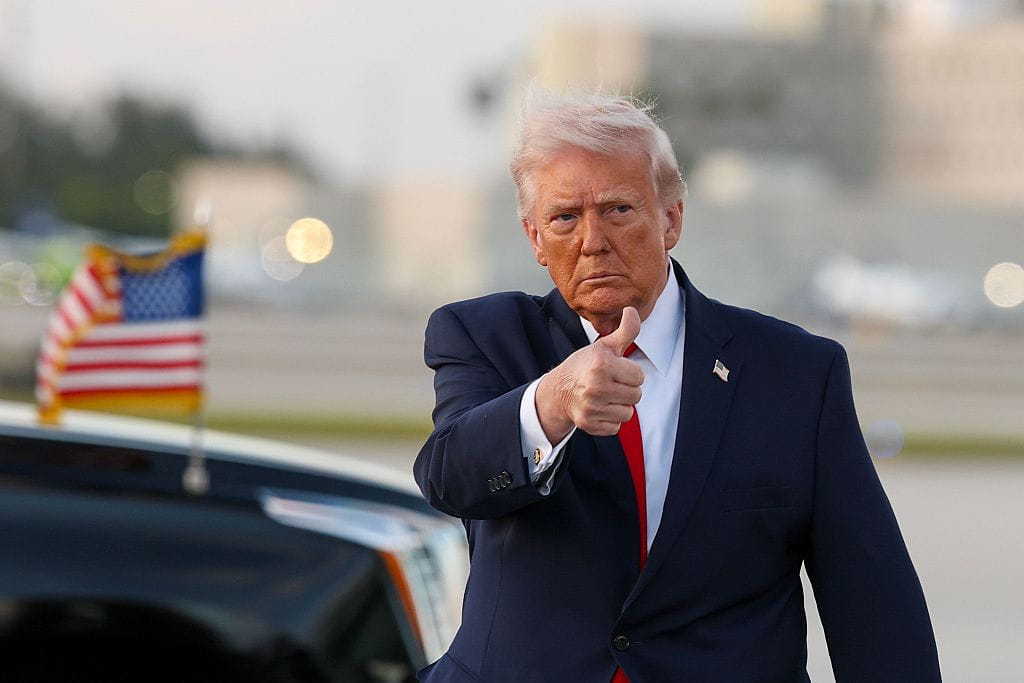
Donald Trump’s rise and return have reshaped American politics, transforming institutions, voter expectations, and party identity in ways that keep driving headlines and reshaping policy debates.
Donald Trump upended political norms and forced the Republican Party to adapt quickly to a new, more populist cadence. He made government moves that had tangible effects, from reshaping the federal judiciary to changing trade relationships. His style broke from establishment politics and left a lasting imprint on how campaigns are run and how voters judge leaders.
The most lasting institutional change is the judiciary. Through three Supreme Court appointments and dozens of appellate picks, the courts shifted toward conservative interpretations that will guide policy for generations. That result came from a deliberate strategy of prioritizing lifetime appointments and confirming judges at scale.
On the economy, Trump pushed tax cuts and a lighter regulatory hand, arguing those moves unleashed growth and energy production. The administration prioritized American energy independence and rolled back rules critics said stifled business. These choices were sold as restoring competitiveness and giving workers more breathing room.
Trade policy got a new tack under Trump, with tariffs and renegotiated deals designed to favor American industry. The approach broke with decades of free trade orthodoxy and forced both allies and rivals to rethink supply chains. It was blunt, transactional, and unapologetically focused on American jobs.
Immigration and border policy became foreground issues, with a harder line on enforcement and a push for stronger borders. That stance energized voters who felt previous policy failed to protect communities and jobs. The debate moved from abstract reform talk into sharp political action that defined campaigns and state-level policymaking.
Foreign policy shifted toward a more transactional posture, prioritizing national interest over long-standing multilateral commitments. Allies were reminded to shoulder more of the burden, while adversaries faced tougher rhetoric and stepped-up pressure. Critics saw chaos, but supporters argued the strategy reclaimed American leverage.
Trump’s media approach rewired the public square, turning direct communication into a campaign constant and sidestepping traditional gatekeepers. That style mobilized a large, loyal base and introduced a brand-driven politics that prizes authenticity and bluntness over careful political language. Both fans and foes now operate in a landscape where narratives move faster and outside institutions have less control.
Legal battles and investigations became a central and unavoidable part of the story, shaping public perception and energizing supporters who view such efforts as politically motivated. Those fights have complicated governance and campaign planning but have also reinforced a narrative of outsider resistance against entrenched interests. The result is a politics where legal and political battles feed one another and the electorate is frequently asked to take sides.
Within the Republican Party, Trump’s influence created new power dynamics between traditional conservative institutions and a more activist, voter-driven base. Think tanks, party committees, and elected officials have had to choose whether to align with the new rhetoric or resist it. That realignment will affect candidate selection, policy priorities, and electoral strategy well into the next cycles.
Trump’s era proved that political norms can be challenged and institutions can be reshaped when a base is motivated enough. The consequences are concrete: courts altered, policies enacted, and a redefined playbook for winning elections. What remains is an energized electorate and a political landscape that will keep evolving as players respond to the changes he set in motion.

