
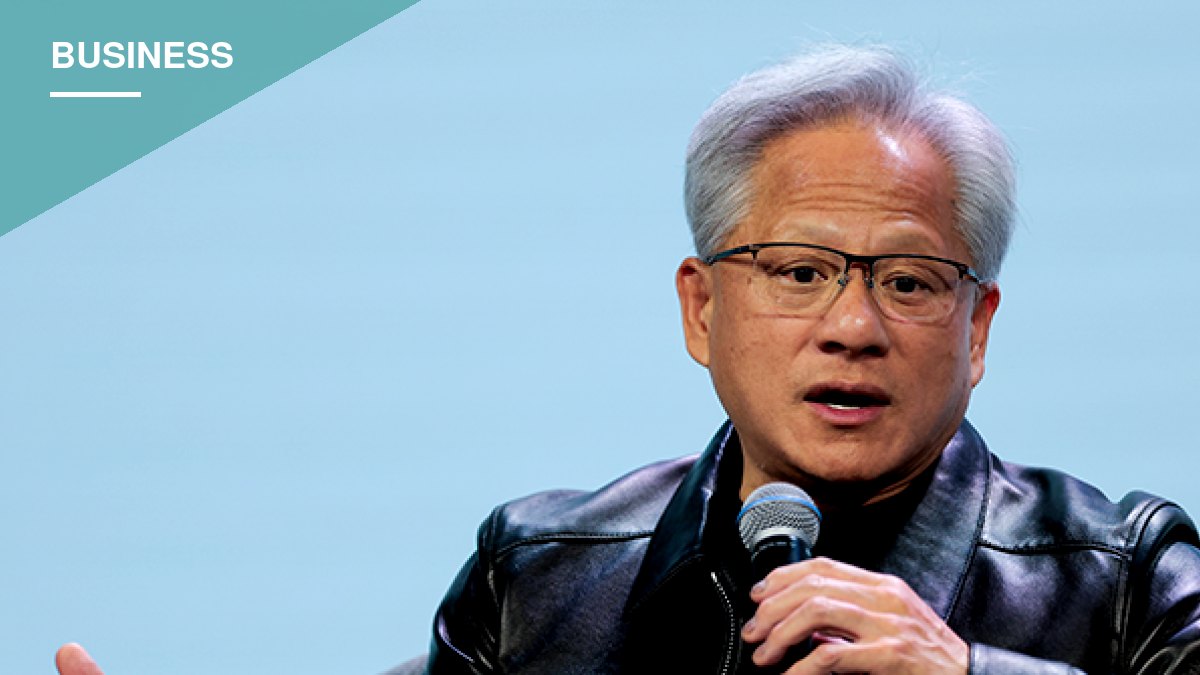
Jensen Huang’s departure from Nvidia marks the end of an era for the chipmaker he built into the centerpiece of America’s artificial intelligence boom — and, by many accounts, the loss of one of China’s most effective advocates inside Washington policy circles.
Huang had long pressed U.S. officials to keep selling advanced chips to China, arguing that doing so would keep Beijing’s AI industry tethered to American technology. Cut China off, he warned, and Beijing would simply build its own alternatives, eventually eroding America’s technological edge. The argument let Huang frame his pursuit of Chinese revenue as a matter of national security rather than simple business interest.
Critics have long questioned that logic. Supplying China with American chips never stopped Beijing from pursuing its own domestic chip industry in parallel — buying from Nvidia while simultaneously developing homegrown replacements was always a rational strategy for Chinese planners, regardless of continued access to U.S. hardware.
A similar pattern played out a decade ago when American banks poured resources into Chinese operations, betting on an open market for Western finance, only to find Beijing’s real aim was to absorb U.S. expertise and then operate independently of it.
In the short term, Huang’s departure is widely seen as a setback for Beijing. Bloomberg Opinion’s Catherine Thorbecke has noted that China’s drive for technological self-sufficiency has outpaced its actual production capacity — Huawei itself has acknowledged it cannot meet domestic demand. Losing reliable access to Nvidia chips before Chinese substitutes are ready to fill the gap would be a real blow, whatever official statements from Beijing suggest.
Nvidia is not without a deep bench despite having no clearly named successor to Huang. The company’s engineering, software and customer relationships are expected to largely continue without him, since customers were buying chips for performance, not personality.
One open question is how exposed Nvidia truly is to the Chinese market. Some Wall Street estimates put direct China sales at around seven percent of company revenue, though that figure likely understates the real exposure — a share of sales routed through non-U.S. intermediaries may ultimately trace back to Chinese demand, with some analysts estimating as much as a third of foreign sales have roots in China.
There’s also a broader concern for American investors: under Huang, Nvidia helped finance the very companies that buy its chips, effectively underwriting much of the broader AI buildout. A new chief executive, likely more cautious, may be less willing to strike such ambitious financing deals — which could slow the pace of America’s AI expansion.
That slowdown isn’t necessarily bad news. A more measured pace of AI investment could reduce the risk of an eventual hard landing. There’s no rule requiring ever-accelerating spending for useful computing capacity to keep expanding.