
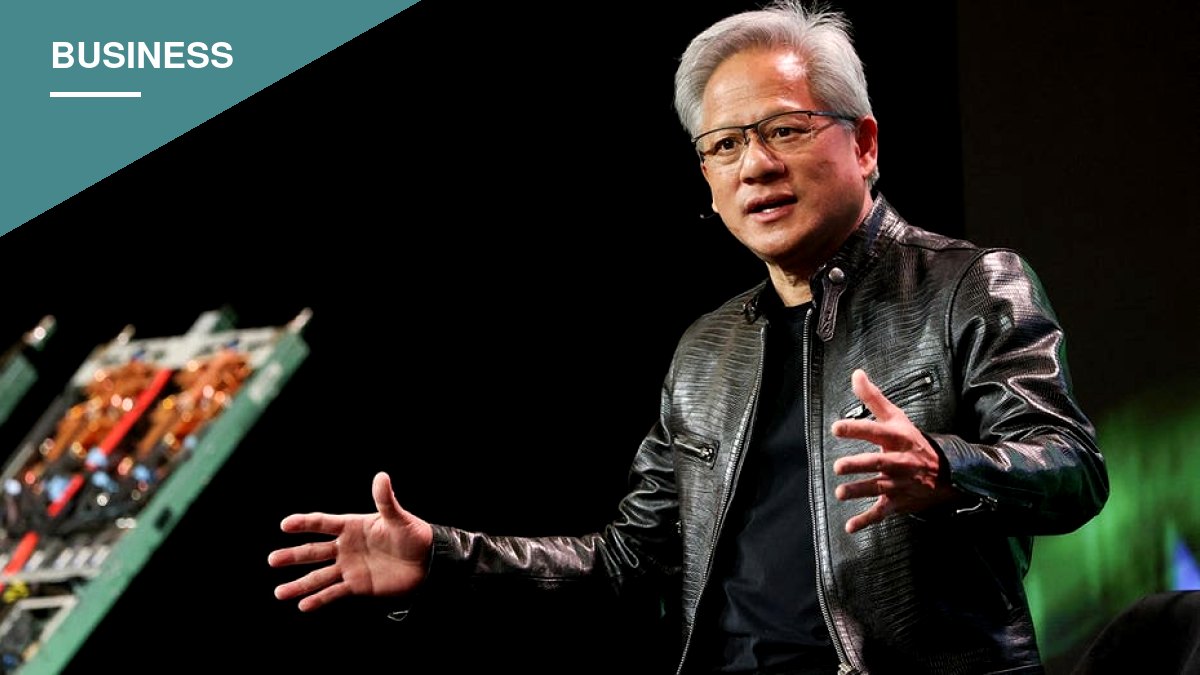
Nvidia’s board has confirmed it will not reinstate Jensen Huang as CEO, a decision that is rippling through the broader artificial intelligence industry and raising questions about how independent AI companies will secure financing going forward.
Board chair Harvey Jones announced the decision Tuesday, even as Huang has said he would be willing to return to the company he co-founded. The move comes as Nvidia reported $115.8 billion in quarterly revenue, up 103% from a year earlier, and as interim CEO Colette Kress said the company is scrutinizing future investments, commitments and guarantees. Kress also said Nvidia has made no change to the financing conditions on its existing agreements with specialist cloud providers.
Why Nvidia’s Role Matters So Much
According to data from PitchBook, rounds that Nvidia joined accounted for 27.2% of global venture deal value through mid-November. That figure reflects the total contribution of all investors in those rounds, and a small number of very large deals drove much of it. Separately, Nvidia reported $99 billion in equity investments as of July 26, representing the value of its holdings at that time. It is not publicly known how much of that went to independent open-model developers or how often Nvidia led those companies’ funding rounds.
One example of Nvidia’s outsized influence is Reflection AI. Huang reportedly committed Nvidia to half of Reflection’s initial $1 billion fundraising target and encouraged other investors to join. The round ultimately grew to $2 billion, with Nvidia contributing roughly $800 million. Nvidia stood to sell chips to Reflection as part of the arrangement, a sequence that invites scrutiny but also illustrates how a single lead investor’s commitment can determine whether a funding round succeeds.
Risk for Smaller Companies
Unlike Microsoft, Meta and Google, which can fund much of their own expansion internally, independent AI labs often depend on outside capital even when they have paying customers. Specialist cloud providers must finance chip purchases before they can sell computing time to clients. If a lead investor like Nvidia hesitates on a deal, other investors may hold back as well, leaving companies uncertain whether they can reserve computing capacity or retain staff they have already hired.
The China Factor
The debate over American AI financing is unfolding against the backdrop of growing competition from China. The Lowy Institute counted nearly 1.8 billion downloads of Chinese AI models on Hugging Face in the third quarter of this year, compared with 500 million downloads of American models. Huawei has demonstrated to customers how to run Alibaba’s Qwen model on its own Ascend chips, giving the company an opening to sell the systems that support it. Beijing’s AI action plan promotes both open-source cooperation and the export of computing infrastructure abroad, an approach that could expand into what some analysts describe as the next phase of China’s Digital Silk Road initiative.
Calls for Government Action
Some in the industry are urging the federal government to step in narrowly, but only where a documented financing gap threatens a viable project considered vital to national security. One proposal calls for the Treasury to convene private investors this week to assess which projects are at risk and how much private capital could be mobilized, with an initial target of $100 billion in combined public and private commitments. Under that proposal, Congress would authorize a temporary federal credit guarantee with bipartisan oversight, drawing on the Pentagon’s Office of Strategic Capital, while capping taxpayer exposure and setting an expiration date. An independent committee would apply published criteria, require recusals for conflicts of interest, and approve guarantees only where private investors also keep their own capital at risk.
Supporters of this approach argue that if Nvidia and private investors continue to fill financing gaps on their own, any federal guarantees would simply go unused. But they warn that delays matter: a company can lose the team it spent years assembling in a matter of weeks while waiting for financing decisions to be made.