

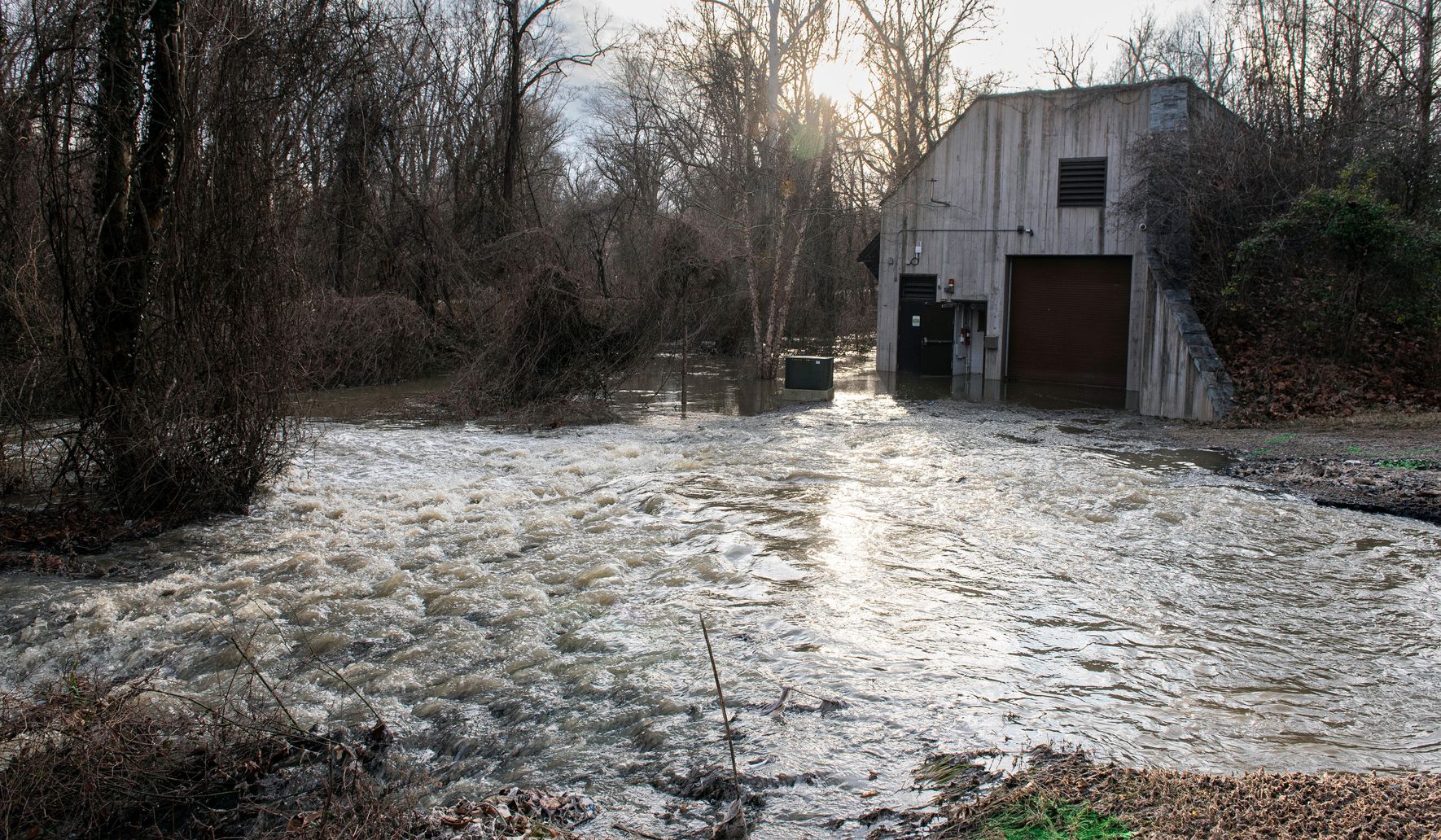
President Trump directed federal help after a wastewater spill in the Potomac River, mobilizing national resources to support cleanup and protect communities and the economy.
President Trump on Monday directed federal authorities to step in and aid the cleanup efforts of the wastewater spill in the Potomac River. That move signals the federal government is taking an active role alongside local officials to limit damage and speed the recovery. The decision reflects a priority to protect clean water and nearby communities without delay.
The immediate concern is stopping further contamination and limiting harm to water supplies, wildlife, and local business activity. Swift federal involvement can bring technical expertise and logistics that smaller agencies might lack. For people who rely on the river for drinking water, recreation, or commerce, that help has real, practical value.
Republicans generally support strong, efficient responses when public safety and the economy are at stake, and this is no exception. Federal action should focus on results, cutting through bureaucracy to deploy necessary equipment and personnel. The goal is straightforward: contain the spill, remove pollutants, and restore normal conditions quickly.
Local leaders know their communities best, and federal teams should coordinate closely with them rather than take over. That means offering support and resources while respecting local control and private property rights. A hands-on, cooperative approach tends to get work done faster and keeps people informed.
Accountability matters while crews work to clean the river and monitor water quality. Officials should provide regular, transparent updates about progress, risks, and timelines so residents can make informed decisions. Independent testing and clear standards help ensure the cleanup meets real results, not just promises.
There is also a need to consider the economic fallout for businesses that depend on the Potomac, from fisheries to tourism and small riverside shops. Fast, targeted relief and clear communication reduce uncertainty and support recovery for workers and owners who face immediate losses. A plan that balances environmental cleanup with economic stability protects both livelihoods and the long-term health of the community.
Regulatory relief where appropriate can speed repair and recovery without sacrificing safety or environmental standards, but must be handled carefully. The federal role should remove unnecessary hurdles while maintaining rigorous oversight to prevent shortcuts that cause long-term damage. Efficient permitting and mutual aid agreements are examples of tools that can be used to accelerate the response responsibly.
Beyond cleanup, officials should study the incident to find practical ways to prevent future spills and improve resilience. That includes reviewing infrastructure, maintenance practices, and emergency response plans in a way that is cost-conscious and realistic. Smart, local solutions backed by swift federal support give communities the best chance to avoid repeat disasters while preserving freedom and economic opportunity.

