

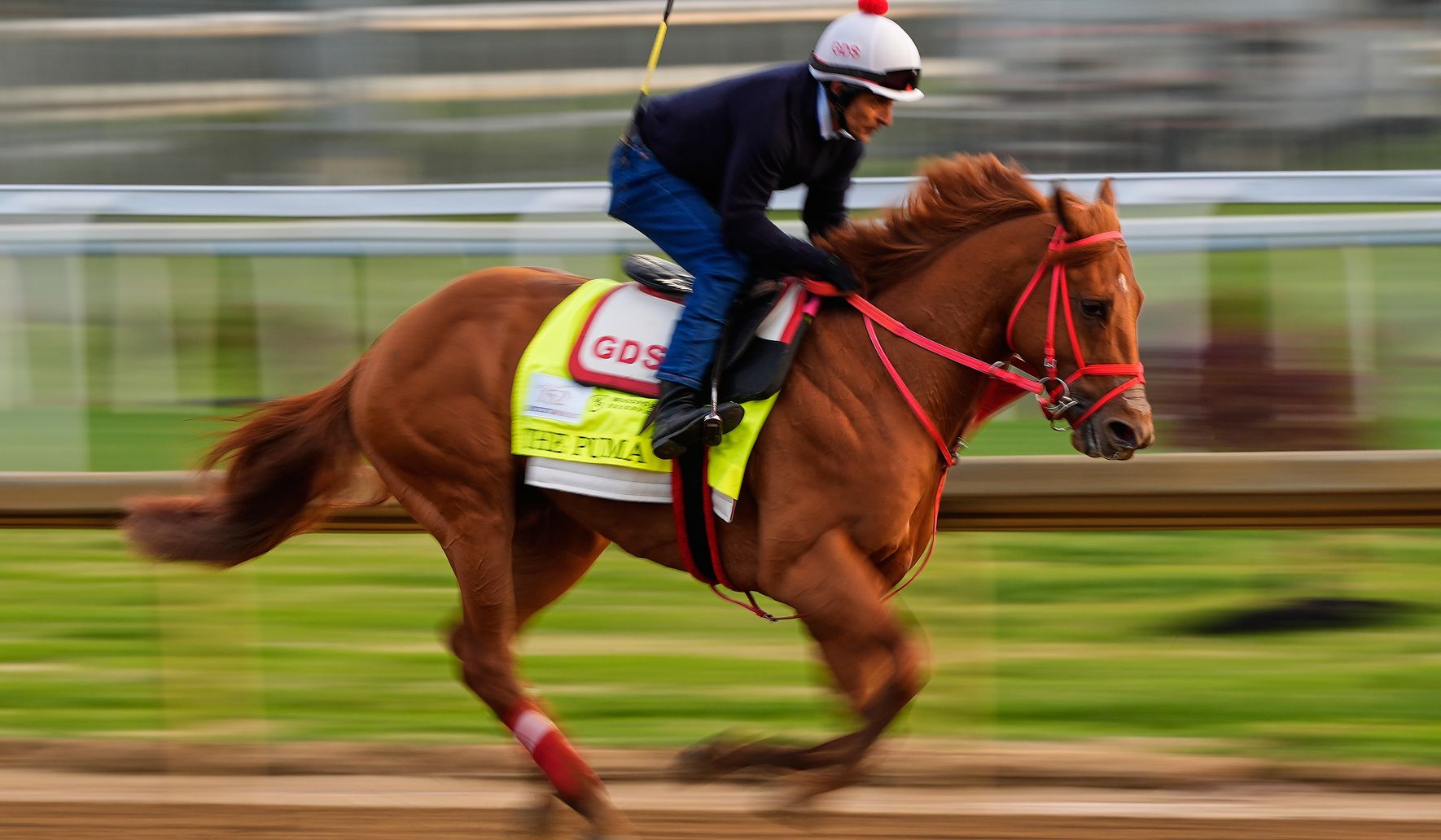
The Puma has been scratched from the Kentucky Derby, so the 152nd edition of the race will be run Saturday with 19 horses instead of the maximum 20. This change tightens the field and alters several last-minute calculations for trainers, riders, and bettors heading into race day.
The scratch of The Puma removes one contender and simplifies the program on paper, but it can complicate decisions at the track. Scratches typically occur because of illness, a minor injury, or a concern raised by connections that they cannot in good conscience run. Whatever the reason, the immediate effect is fewer runners and a slightly different complexion to how the race might unfold.
With a 19-horse field, post position dynamics shift and jockeys may rethink their inside and outside plans. A smaller field can change early pace scenarios, and riders often adjust tactics when one less rival is in play. Trainers and exercise riders watch those slot and spacing changes closely in the hours before post time.
Betting pools react quickly to scratch news, with wagers in wagering windows recalculating odds and payouts. Late scratches can send money toward other short-priced favorites or boost interest in up-and-coming longshots. For bettors, the key is to account for how odds and overlays move when a horse is removed.
Race officials and stewards handle scratches under tight timelines to preserve fairness and safety for both horses and riders. There are established procedures that govern veterinary checks, steward reviews, and notification of bettors and media. Those protocols aim to keep adjustments transparent and consistent when changes occur close to race time.
The Kentucky Derby allows a maximum of 20 starters, so running with 19 is unusual but not unprecedented. A reduced field can make certain tactical lanes more valuable and may influence how connections choose to press early speed or opt for a stalking trip. Every slot has meaning when one potential forward foot is missing from the lineup.
For on-track operations, a scratch affects scratch sheets, paddock assignments, and warm-up schedules that are finely choreographed for Derby day. Grooms, outriders, and paddock stewards pivot quickly to ensure everything remains safe and on schedule. Those logistical shifts are small but essential to keeping a large event running smoothly.
From a broader viewpoint, a late change like this is a reminder of how fluid horse racing can be right up to the gate. Teams must balance ambition with caution in the face of an intense spotlight and high stakes. Fans and casual observers alike should expect shifts in narrative as connections explain decisions and the race draws near.
Media coverage will track the reasons behind the scratch and any statements issued by the horse’s connections, but official results and the morning-line will ultimately reflect the new field. The Derby will proceed Saturday with 19 runners, and that final lineup will be the one that folks analyze in the moments before the gate opens. The pageantry and pressure of Derby day remain unchanged, even when the number of starters changes at the last minute.

