

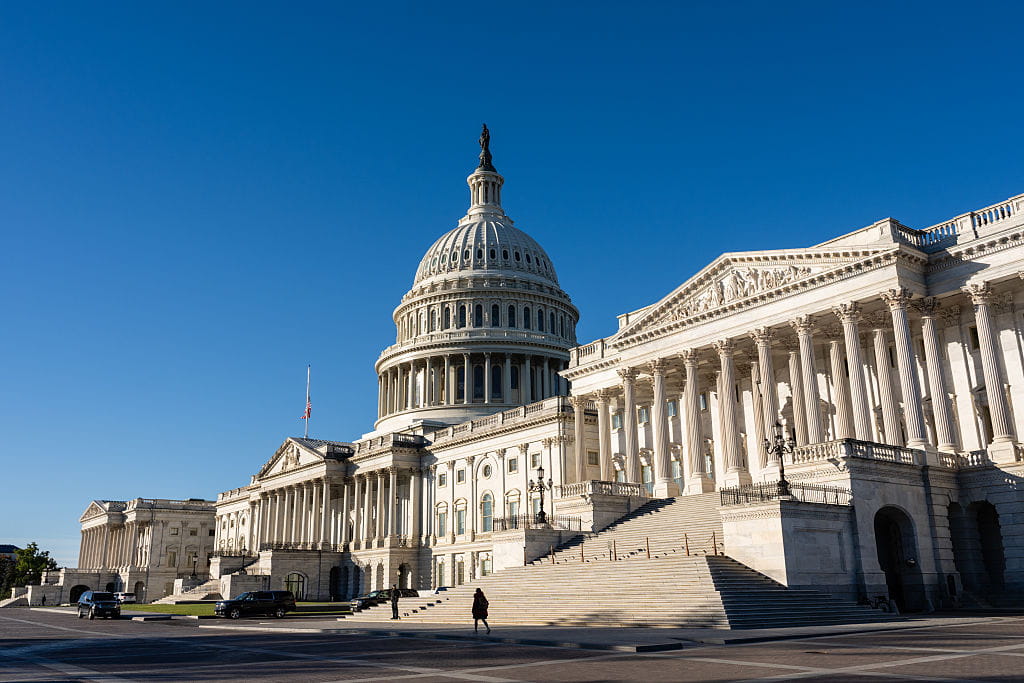
The Senate is facing another showdown over a new federal elections bill and the filibuster, repeating the partisan clash that erupted during the January 19, 2022, vote over the Freedom to Vote: John R. Lewis Act.
There is a new elections bill in the Senate that the majority supports and the minority opposes, and that split has reopened a familiar debate over the filibuster. Republicans see this as déjà vu, because the clash mirrors the failed effort to end the filibuster to pass the Freedom to Vote: John R. Lewis Act on January 19, 2022. The same tensions about nationalizing election rules and changing Senate norms are back in the room.
From a Republican perspective, the filibuster exists to force compromise and protect minority rights in the Senate, especially on issues that touch state control of elections. The current push to weaken or remove that guardrail looks like an attempt to railroad a partisan agenda through a thin majority. That matters because elections are administered by states, and shifting those responsibilities to Washington invites one-size-fits-all rules that ignore local realities.
Supporters of the new bill argue it will standardize voting access and fight alleged suppression, while critics counter that federal mandates will erode state authority and politicize the process further. Republicans worry federalizing election law will mean nationalized litigation and uniform systems that do not fit every state. The result could be less confidence in election outcomes, not more, because voters will see decisions being made in Washington instead of at home.
The procedural fight is as important as the policy fight. Changing the filibuster to pass this bill would reshape how the Senate functions going forward. Once precedent is set for discarding or drastically altering filibuster rules for one major bill, it becomes easier to do so again, and the chamber loses a layer of institutional restraint that has protected minorities for decades.
Republicans also point out that the political context matters. When one party controls the White House and both houses of Congress, rewriting rules to cement that advantage risks backlash when power shifts. A short-term legislative gain can produce long-term instability in Washington and in state capitals. Preserving procedural safeguards forces broader coalitions and prevents policy swings that follow election cycles.
There are practical objections too. The logistics of federalizing election procedures are complex and expensive, and the one-size-fits-all approach ignores differing voter ID systems, registration methods, and ballot handling across states. Implementing a national regimen would require massive coordination, new funding streams, and likely years of litigation. That timeline and cost should factor into whether a filibuster-busting strategy is warranted.
At the same time Democrats pressing the bill see the filibuster as an obstacle to change and a shield for what they call obstruction. They argue the current rules let a small minority block progress on voting rights. Republicans respond that policy disputes belong in public debate and state legislatures, where voters can hold officials accountable, rather than being settled by one chamber overriding longstanding practice.
The debate will test whether senators prefer to defend institutional rules that encourage compromise or to prioritize rapid changes favored by one party. Whatever happens, the stakes are high: the outcome will affect not only the substance of election law but the Senate’s ability to check transient majorities. That combination makes the current fight about both democracy and the Senate itself, and it ensures the argument over the filibuster will not fade quickly.

