

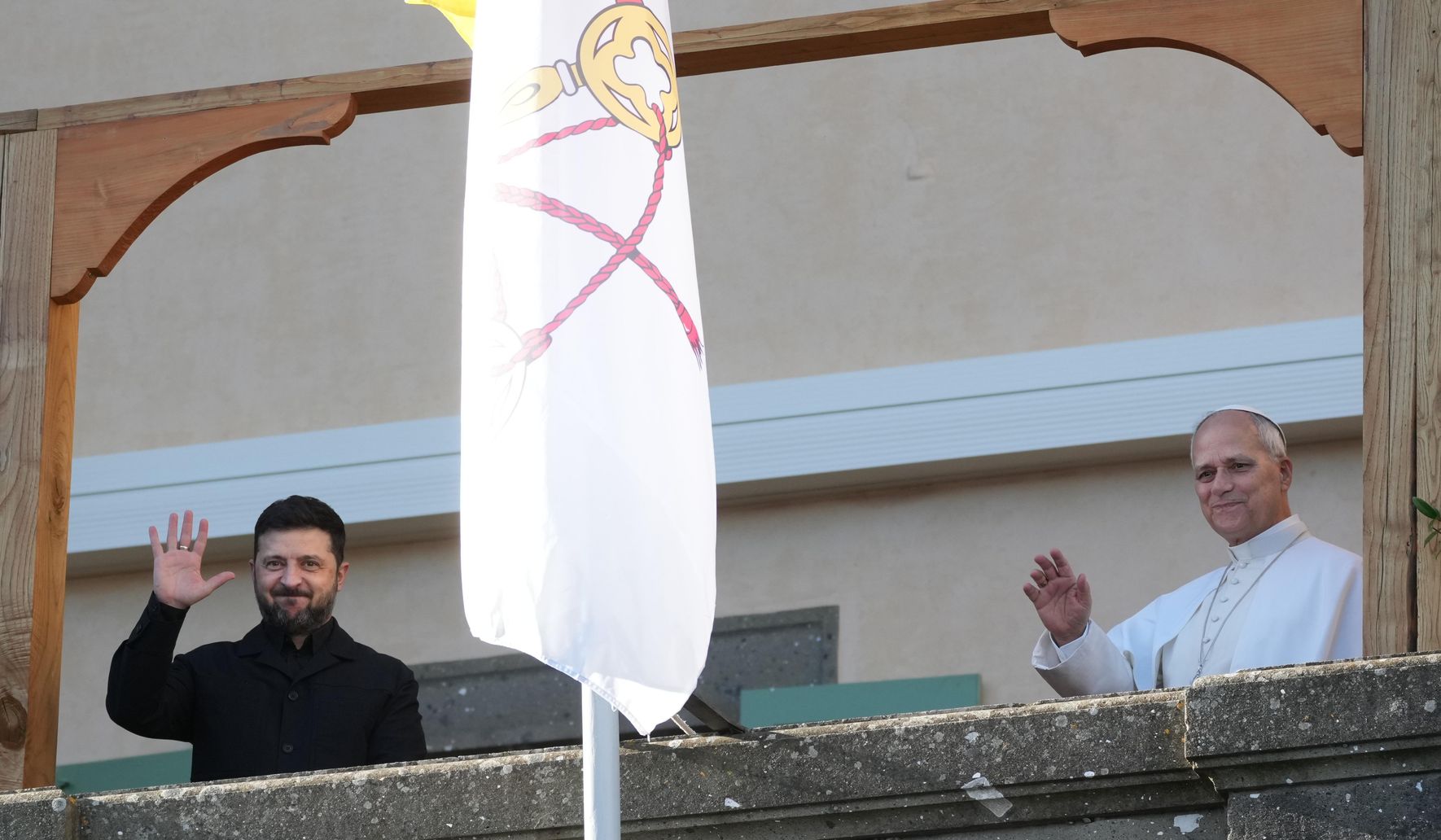
Ukrainian President Volodymyr Zelenskyy has made clear he will not cede territory, turning aside pressure for concessions while traveling to rally European support.
Zelenskyy has reaffirmed his refusal to hand over Ukrainian land and has been pushing forward with visits aimed at shoring up support from European capitals. That stance comes as discussions intensify about whether concessions could end the fighting faster or only reward aggression. The president’s message is straightforward and uncompromising, framing any territorial giveaway as unacceptable to Ukraine’s sovereignty and national survival.
Washington has privately and publicly weighed options that some see as pragmatic compromises to halt the war, but Kyiv has resisted those overtures. From a Republican perspective, yielding territory sets a dangerous precedent and risks encouraging further Russian adventurism. Supporters of a hard line argue that backing down would weaken the West’s deterrent credibility and embolden other revisionist powers.
On the ground in Europe, Zelenskyy’s diplomacy is about more than headlines; it’s about securing continued military aid, sanctions enforcement, and political unity. European partners remain crucial for lethal assistance, economic penalties, and the diplomatic cover that keeps Ukraine in the fight. Even so, there are real differences among allies over how to balance the desire for peace with the need for justice and deterrence.
Those differences create pressure on Kyiv to consider deals that might be unpalatable at home, but Ukrainian leaders insist national borders are not bargaining chips. Compromise talks that include territorial concessions risk undercutting the claims of millions of displaced Ukrainians and the sacrifices of frontline fighters. For Republicans who prioritize strength, the message is clear: backing Ukraine’s refusal to surrender land is both morally right and strategically sound.
Sanctions remain one of the West’s primary levers, and maintaining them takes political will across capitals. Weakening penalties as a shortcut to a diplomatic fix would let Moscow off the hook and remove leverage Kyiv needs in any meaningful negotiation. Strong, targeted economic pressure combined with robust military assistance offers the best chance to compel Russia to change course without rewarding its aggression.
Domestic politics in the United States and Europe complicate sustained support, with fatigue and competing priorities creating openings for calls to cut deals. Republican voices tend to push for continued material backing while insisting that policy should not reward conquest. That approach stresses long-term stability over short-term relief, arguing that standing firm now prevents larger, costlier conflicts later.
There is also a strategic argument about the shape of any future peace: settlements written under coercion rarely hold and can plant the seeds for renewed hostilities. From that vantage, insisting on Ukraine’s territorial integrity is not an ideological posture but a practical one. A stable peace requires a settlement that respects sovereignty and deters future violations rather than rewarding them.
International solidarity matters, yet it must be paired with clear-eyed policy choices. European leaders who pledge support must translate words into sustained deliveries of advanced equipment, ammunition, and intelligence-sharing. Without that backbone, diplomatic pledges ring hollow and create pressure for shortcuts that compromise long-term security.
For Kyiv, the calculus is also internal: leaders must answer to a population that has paid a steep price and expects the state to defend every inch of its territory. Any negotiated settlement that erodes that trust would carry political costs for the Ukrainian government and could destabilize reconstruction efforts. The coalition backing Ukraine needs to remember that durable peace rests on justice, not concessions extracted under duress.

