

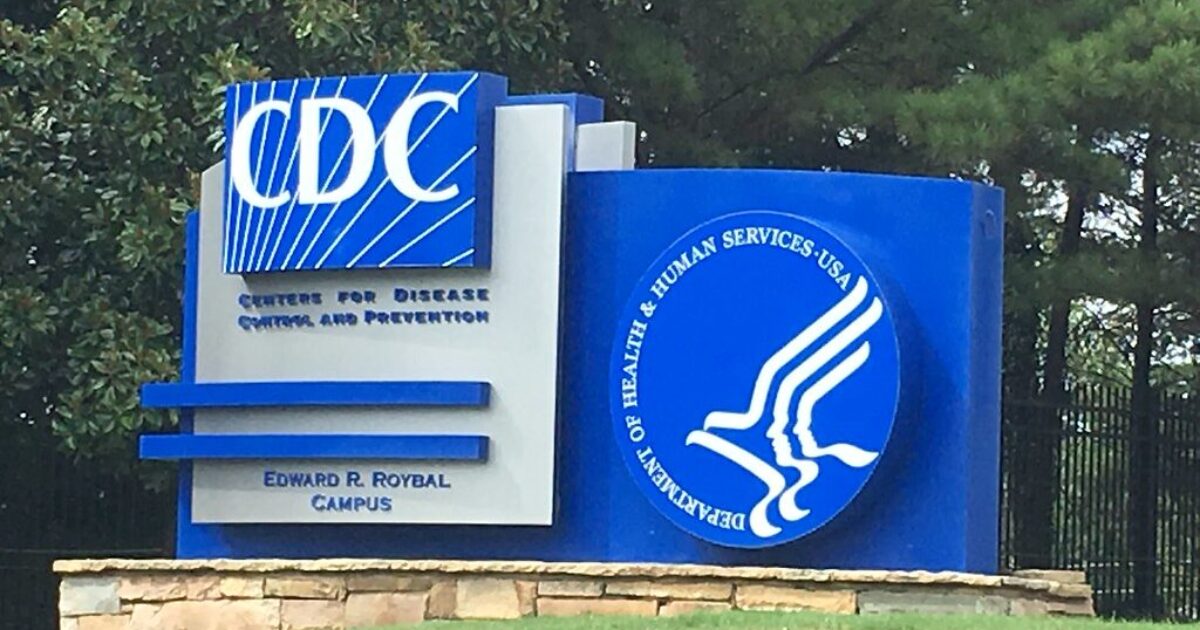
The Trump administration’s recent federal workforce reduction has taken many by surprise, targeting more than 200,000 probationary employees across various agencies. This move included significant reductions at the National Institutes of Health (NIH) and the Centers for Disease Control and Prevention (CDC). The impact was immediate, with many employees expressing disbelief and sorrow over the sudden changes.
At the NIH in Bethesda, Maryland, the scene was emotional as scientists and researchers were asked to leave their offices. According to NBC Washington, the exact number of those affected is unclear, but some estimates suggest around 2,000 employees were let go. One such employee, Katie Sandlin, shared her experience on social media, emphasizing the honor it was to work with her colleagues.
Katie Sandlin, an Education Outreach Specialist at the National Human Genome Research Institute, voiced her sentiments saying, “Today, along with 2,000 other NIH employees, I had to clear out my office.” Her words reflected the deep sense of loss felt by many who dedicated their careers to advancing human health. This sentiment was echoed by Angela Dice Ciao, whose husband was also terminated.
Angela Dice Ciao took to Facebook to express her frustration after her husband lost his job due to the cuts at NIH. She noted the challenging circumstances, especially after her husband dedicated 16 years to research. Her plea for job opportunities highlighted the uncertainty many families now face following the sudden layoffs.
The CDC also faced significant reductions, with around 1,300 probationary employees—about 10% of its workforce—being dismissed. Stat News reported that, overall, 5,200 employees across agencies under the Department of Health and Human Services were terminated. These measures have raised concerns about the future functioning of these critical health agencies.
In addition to the probationary employees, numerous contract workers at the CDC and other Health and Human Services agencies received termination notices. Some of these layoffs affected workers at the Vaccine Research Center housed at NIH, emphasizing the widespread impact of the cuts. Many workers were given a month’s paid leave but lost access to work systems immediately.
Leadership changes are expected as well, as seen with Susan Monarez being named acting director of the CDC. This appointment signals potential shifts in leadership positions, with current acting principal deputy director Nirav Shah’s departure confirmed for later this month. Such changes indicate a significant restructuring within the agency.
Meanwhile, the Department of Energy has also been hit with cuts, with reports suggesting between 1,200 and 2,000 workers were dismissed. This included hundreds from offices responsible for overseeing the nation’s nuclear stockpile. The U.S. Forest Service followed suit, terminating approximately 3,400 probationary employees.
These reductions point to a major shift in federal land and environmental policies under the Trump administration. The Department of Veterans Affairs (VA) announced the dismissal of over 1,000 employees, aiming for an annual savings of over $98 million. Such financial motivations have sparked debates about the implications of these workforce reductions.
ABC News sources suggest that as many as 15,000 IRS workers have been identified for potential termination in the coming weeks. This development adds to the growing list of federal agencies affected by the workforce reductions. The scale of these cuts has prompted discussions about the broader impact on government operations.
The changes have not been limited to health and environmental agencies, as seen with the Department of Energy and IRS. The widespread nature of these reductions marks a significant shift in the federal workforce landscape. Many are left wondering about the long-term effects of such sweeping changes.
Amid these alterations, employees like Renee Wegrzyn, a Biden appointee, were also dismissed from their roles. As head of ARPA-H, an agency established to focus on breakthrough medical technology, her departure underscores the administration’s new direction. The agency’s small size, with most employees considered probationary, made it a target for layoffs.
The federal workforce reductions signal a pivotal moment for many employees and their families. The abrupt nature of these changes has left many searching for new opportunities and stability. As the impact of these decisions unfolds, the broader implications for federal agencies and their missions remain to be fully understood.
With leadership changes and workforce reductions, the Trump administration’s approach to federal governance is clear. The focus on cost-cutting and restructuring highlights a shift towards more streamlined operations. However, the human cost of these decisions resonates across the affected communities.
The administration’s strategy reflects an emphasis on efficiency and fiscal responsibility. While some argue these measures are necessary, the immediate effects on employees and their families cannot be ignored. As federal agencies navigate this new landscape, the coming months will reveal the true impact of these workforce reductions.
The story of those affected by these cuts continues to unfold. Families are left to adapt to the new reality, seeking employment and stability in a changing job market. The broader implications for public health, environmental policies, and government operations remain critical areas of focus.


3 Comments
Good, suffer as we taxpayers have suffered providing you federal welfare leeches (another name for useless federal created patronage positions) with your bloated salaries and cushy pensions. Maybe now you’ll see that food comes from hard work, not from political derriere kissing.
Captain Kublai, now that is saying it like it is; and now reality can bop them in the head, so they can find out what really working for a living is like!
I seriously doubt these people will have difficulty finding other jobs. The average salary is nearly 77,000 dollars in Illinois while the salary can be as much as above 142,000 dollars. i am not crying for them.