

A civilian pilot’s quick thinking and the efforts of authorities led to the rescue of a man and two children who spent a harrowing night stranded on the wing of their downed plane in Alaska. The Piper PA-12 Super Cruiser, which took off from Soldotna Airport, failed to arrive at its destination, prompting a search by Alaskan authorities. Despite the urgency, initial efforts were hampered as the wreckage didn’t emit an emergency signal.
The Alaska National Guard, working diligently, traced a cellphone ping that suggested the aircraft’s location was near the Kenai Mountains and Tustumena Lake. It was Terry Godes, a resourceful civilian pilot, who ultimately spotted the crash site while flying his own plane. “I looked down and I could see the ice over the lake … and I could see kind of a dark spot,” Godes recounted to ABC News.
Godes’s keen eyes identified what appeared to be an airplane wing, prompting him to alert others over the radio. “I could see that there were three people on top of the wing,” he noted, expressing relief at the sight. The stranded trio endured near-freezing temperatures for about 12 hours, a testament to their resilience.
The night was described as long and grueling, as Godes observed, “They spent a very cold, long, dark, wet night out on top of the wing of an airplane on soft ice.” The situation was nothing short of miraculous, given the circumstances. His heart sank upon first sight of the wing, knowing the dangers posed by broken ice.
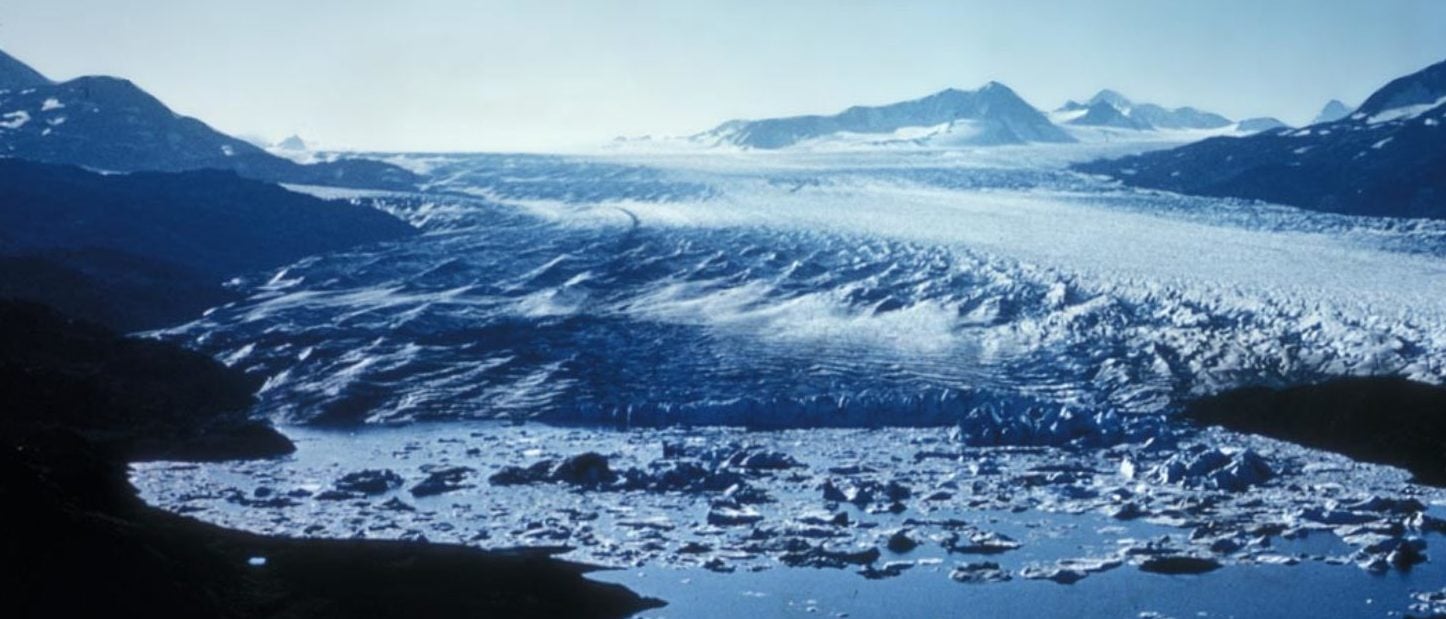
An Alaska Army National Guard helicopter from the 207th Aviation Troop Command responded to the scene after the crash site was confirmed. They found the plane partially submerged, having broken through the frozen lake’s surface but luckily avoiding deeper waters. The crash occurred on a glacial field, sparing the survivors from the main body of the lake.
The rescued individuals were promptly taken to a local hospital, though the specifics of any injuries remain unclear. The cause of the crash is still under investigation, adding another layer of mystery to the incident. The Alaska National Guard has yet to provide further details in response to inquiries from the Daily Caller.
In situations like these, the rapid response and coordination between civilians and authorities can mean the difference between life and death. The bravery and skill displayed by everyone involved underscore the unpredictable nature of flying in Alaska’s challenging conditions. This incident serves as a reminder of the importance of preparedness and vigilance in aviation.
Alaska’s vast and rugged landscape poses unique challenges that require both expertise and luck to navigate safely. The incident highlights the critical role of modern technology, such as cellphone pings, in aiding rescue operations. Without it, the search could have taken much longer, potentially resulting in a different outcome.
Tales of survival in the Alaskan wilderness are not uncommon, yet each story brings its own set of challenges and triumphs. The resilience of those stranded, combined with the determination of their rescuers, paints a vivid picture of human endurance. These moments of crisis often highlight the best of humanity’s spirit and tenacity.
The quick-thinking actions of Terry Godes serve as a reminder of the power of individual initiative in emergency situations. His decision to take a closer look at the dark spot on the ice was pivotal in ensuring a successful rescue. It’s a testament to the fact that sometimes, ordinary individuals become heroes in extraordinary circumstances.
While the specifics of the crash remain elusive, the focus remains on the successful rescue and recovery of the survivors. The collaboration between civilian and military resources showcases the importance of community and cooperation. The story is a testament to the capability and readiness of those tasked with such life-saving missions.
As the investigation into the crash’s cause continues, the priority remains the well-being and recovery of the survivors. The incident will likely prompt discussions around aviation safety and emergency preparedness in remote areas. The lessons learned from such events are invaluable in preventing future occurrences.
The harrowing experience of the stranded individuals serves as a stark reminder of the unpredictable nature of aviation. Weather conditions and terrain in Alaska can change rapidly, demanding constant vigilance from pilots. This incident underscores the need for continuous evaluation of safety protocols and emergency response strategies.
Meanwhile, the community can take heart in the successful outcome of the rescue mission. The incident has united various parties in a shared goal of saving lives, demonstrating that even in the face of adversity, hope prevails. Such stories inspire a collective sense of resilience and the belief that challenges can be overcome.
While details remain scarce, the focus on gratitude and survival is paramount. The swift actions of all involved, from the civilian pilot to the National Guard, made all the difference. Their efforts exemplify the courage and resourcefulness required in the face of potential tragedy.

