

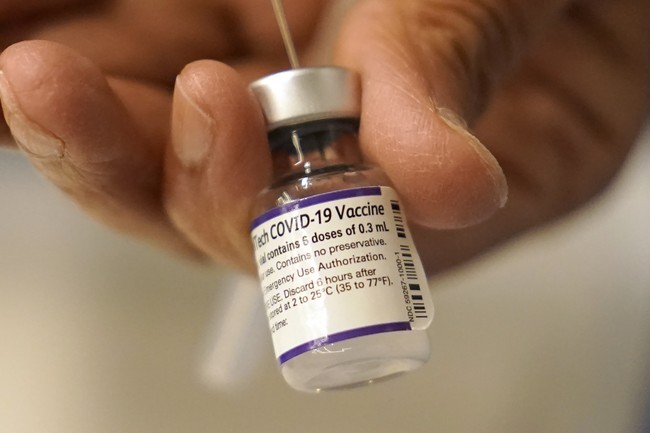
The Justice Department, under the leadership of Attorney General Pam Bondi, has decided to drop charges against Dr. Kirk Moore, a Utah physician. Dr. Moore was previously accused of orchestrating a scheme to distribute fraudulent COVID-19 vaccine cards during a period marked by strict vaccine mandates. This decision marks a significant triumph for individual freedom against what some see as oppressive governmental medical mandates.
Pam Bondi made the announcement on X, explicitly stating, “At my direction @TheJusticeDept has dismissed charges against Dr. Kirk Moore. Dr. Moore gave his patients a choice when the federal government refused to do so. He did not deserve the years in prison he was facing. It ends today.”
Fox13 Salt Lake City had earlier reported that Dr. Moore was indicted by a federal grand jury well over two years before his trial. This indictment took place during a time when many accused the Biden administration of politicizing justice. Along with Moore, three co-defendants from the Plastic Surgery Institute of Utah faced allegations of providing vaccine cards to people who hadn’t received the vaccines.
The group was accused of destroying vials of COVID-19 vaccines and instead administering saline shots, particularly to children. According to the indictment, they allegedly destroyed more than $28,000 worth of vaccines and distributed at least 1,937 fake vaccination cards. During the court proceedings, Moore’s former co-defendants, including Kari Burgoyne and Sandra Flores, testified for the prosecution.
Burgoyne agreed to a plea deal on a misdemeanor charge, while Flores entered a diversion agreement. The exact impact of this new development on Moore’s co-defendants remains uncertain. Dr. Peter McCullough hailed the dismissal as a significant victory, stating, “This is a MAJOR victory — and undeniable proof of what our collective movement can achieve when we speak up!”
This case has garnered attention from various conservative circles that view the outcome as a win for personal liberties. Conservative media outlets have celebrated this decision, emphasizing the importance of standing up against perceived governmental overreach. The notion that individual rights can sometimes be overlooked in the face of widespread mandates has been a recurring theme.
Dr. Moore’s case has sparked discussions about the balance between public health measures and personal freedom. Many conservatives argue that the mandates represent an overreach of government power. The charges against Moore were seen by many as emblematic of broader concerns about individual rights under the current administration.
The role of government in enforcing health mandates has been a contentious issue. Critics argue that such mandates infringe upon personal freedoms and liberties. The recent decision to drop charges against Moore has been interpreted as a sign that justice can prevail when individuals stand firm against perceived injustice.
While the case against Moore has been dismissed, the broader debate about vaccine mandates and individual rights continues. This development has highlighted the ongoing tensions between public health policies and personal choice. Some view it as a cautionary tale about the potential consequences of governmental overreach.
Supporters of Moore have expressed relief and satisfaction with the decision. Many see it as a validation of their beliefs about personal autonomy and medical freedom. The case has also served as a rallying point for those who oppose strict governmental mandates.
The discussion surrounding Moore’s case underscores the complex nature of public health and personal rights. It raises questions about how society balances the two in a fair and just manner. For many, the decision to drop the charges is a step in the right direction.
The case has also prompted calls for a reevaluation of similar charges against others. Some argue that the justice system should reflect a more balanced approach to such issues. The outcome of Moore’s case might influence future decisions in similar legal battles.
The role of the Justice Department in these matters has been scrutinized by various conservative commentators. Many have questioned the motivations behind such prosecutions. The latest development may lead to more significant discussions about the role of justice in public health policy.
The case of Dr. Kirk Moore has become a symbol of the larger battle over vaccine mandates and personal freedom. It reflects a broader sentiment of skepticism towards governmental authority in matters of health. As the conversation continues, the implications of this decision will likely resonate across the nation.

