

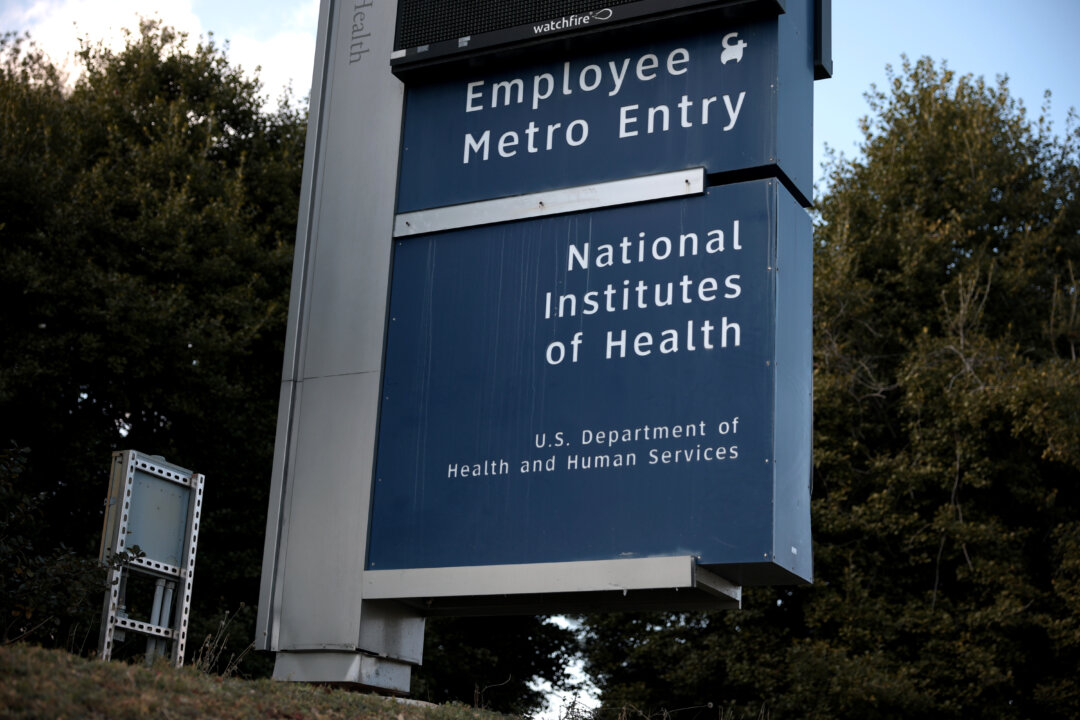
The Department of Justice (DOJ) is pushing the Supreme Court to greenlight the National Institutes of Health (NIH) to cancel research grants tied to diversity, equity, and inclusion (DEI) initiatives. This move comes after a Boston-based District Court Judge, William Young, ruled in June that the cancellation was unlawful and demanded the government reinstate the funding. The DOJ’s emergency application highlights the ongoing battle over DEI programs and federal funding.
Judge Young’s decision to reinstate the funding was seen as a win for those supporting DEI initiatives. However, the DOJ argues that NIH should have the authority to manage its grants without judicial interference. This case underscores the tension between judicial decisions and executive actions in managing federal funds.
Conservative circles have expressed concern over DEI programs, arguing they often promote division rather than unity. Many believe these initiatives prioritize identity over merit, which goes against traditional American values. The DOJ’s appeal to the Supreme Court aligns with this perspective, emphasizing the need to reassess the role of such programs in public institutions.
Critics of Judge Young’s ruling argue that it sets a dangerous precedent, allowing courts to overstep in administrative matters. They claim that NIH’s decision to cancel the grants was based on legitimate concerns about the effectiveness of DEI programs. By challenging this decision, they fear it could undermine governmental authority in managing its own affairs.
Supporters of DEI initiatives, on the other hand, argue that these programs are essential for fostering an inclusive environment. They contend that diversity in research leads to more comprehensive and innovative solutions. This debate highlights the broader cultural divide over the role of diversity in America.
The Supreme Court’s upcoming decision will likely have significant implications for how DEI initiatives are funded and implemented in the future. Many conservatives hope that the court will side with the DOJ, reinforcing the notion that merit should be the primary criterion in awarding grants. This case could set a precedent for how similar issues are handled in the future.
NIH’s decision to cancel the grants was reportedly driven by concerns over the efficiency and effectiveness of DEI programs. Officials have suggested that resources could be better allocated to initiatives that directly address pressing health challenges. This perspective aligns with a broader conservative viewpoint that prioritizes tangible outcomes over ideological commitments.
The DOJ’s involvement in this case signifies the importance of the issue at a national level. The outcome could influence how other federal agencies approach DEI-related funding and initiatives. Conservatives are watching closely, hoping for a decision that aligns with their values of meritocracy and efficiency.
While the legal battle continues, the public discourse around DEI initiatives remains heated. Proponents argue that these programs are crucial for addressing historical inequities and fostering a more inclusive society. Opponents, however, view them as divisive, often prioritizing group identity over individual achievement.
The Supreme Court’s decision could also impact public perception of DEI programs nationwide. A ruling in favor of the DOJ might embolden critics of such initiatives, while a decision to uphold Judge Young’s ruling could strengthen their proponents. This case serves as a microcosm of the broader ideological battle over diversity in America.
In the meantime, NIH and other agencies are left in a state of uncertainty, awaiting the Supreme Court’s decision. This limbo affects not only the agencies but also the researchers and institutions relying on federal grants. The outcome will undoubtedly shape the future of federal funding for research initiatives.
As the legal proceedings unfold, both sides continue to present their arguments passionately. The DOJ insists on the necessity of granting NIH the authority to manage its own funding, free from judicial overreach. Meanwhile, supporters of DEI initiatives emphasize the positive impact of diversity in research and education.
The ongoing debate over DEI programs reflects a deeper division in American society. It’s a clash between those who see diversity as a strength and those who view it as a potential source of division. The Supreme Court’s ruling will likely influence not only policy but also public opinion on this contentious issue.
The resolution of this case will be closely watched by policymakers, educators, and activists nationwide. It has the potential to redefine the balance between judicial oversight and executive authority in federal funding decisions. As the nation awaits the Supreme Court’s decision, the discussion around DEI programs remains as polarized as ever.
Regardless of the outcome, the case has already sparked significant discussion about the role of diversity in public institutions. It challenges Americans to consider the values that should guide federal funding and the initiatives it supports. This conversation is crucial in shaping the future landscape of research and education in the United States.
In the end, the Supreme Court’s decision will serve as a landmark ruling in the ongoing dialogue about diversity, equity, and inclusion. It will set a precedent for how similar cases are handled in the future, influencing policy and public opinion. As the nation awaits the court’s decision, the debate over DEI programs continues to capture the attention of both supporters and critics alike.

