

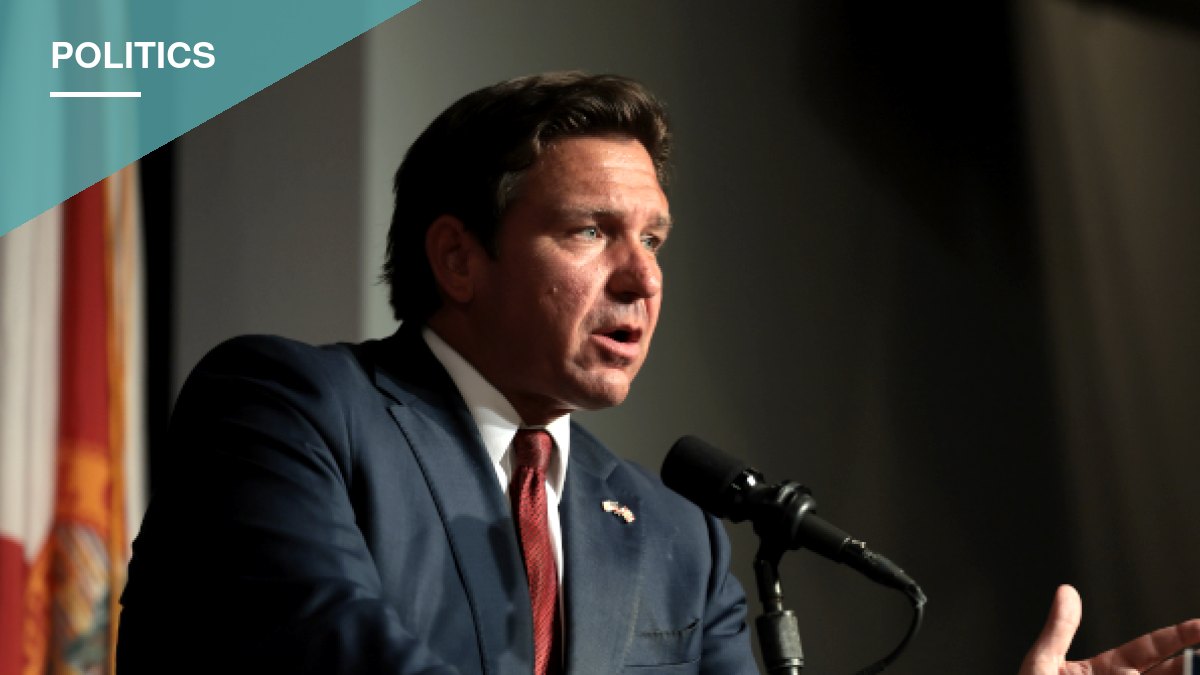
Florida Gov. Ron DeSantis (R) this week said Americans should imagine the abuses that could have unfolded had Flock Safety’s AI-powered license plate reader cameras been widespread during coronavirus lockdowns, as he called for legislation to stop the state from becoming what he described as a “digital prison.”
“I don’t think it’s their intent to do general surveillance. But I will tell you, if we had all this around the country when COVID happened, you absolutely would have saw those turned on people who were outside of lockdown orders in California,” DeSantis said at a press conference, adding that officials could have used the technology to track who had and had not been vaccinated.
“You didn’t take your vax? You can’t go here. You can’t travel,” DeSantis said, describing the scenario. He added, “You had a majority of Democrats that thought people that didn’t take the mRNA COVID shot should be detained by law enforcement authorities, not allowed to go to stores like that. Like really, really crazy stuff.”
DeSantis said local law enforcement generally uses the cameras to target criminal activity, and that “every sheriff in Florida can point to examples where it’s been used appropriately and probably effectively.” But he said policymakers must also weigh how the technology could be misused, citing an incident in which a Florida officer allegedly used license plate reader data to track an ex-girlfriend. “I don’t think we have really strong penalties at all for that type of misuse,” he said.
He called for legislation “that will protect Floridians from allowing the state to turn into some type of digital prison, digital surveillance state, where somebody knows everything about what you’re doing every day of the week.”
DeSantis then pointed directly to St. Augustine, in St. Johns County, referencing a Buc-ee’s location that has become a flashpoint for the anti-surveillance “DeFlock” movement. “You want to get in your car and you want to go down to Buc-ee’s in St. Augustine. It’s really none of the government’s damn business if you’re doing that, right?” he said, drawing applause. Protesters near the store have held picket signs blocking the view of Flock cameras.
Sheriffs Diverge on Response
The comments come amid a broader backlash against license plate reader cameras in Florida, which prompted the state’s transportation department to strip local police departments of authority to install the cameras on state highways. Some county sheriffs have gone further and removed the cameras outright, while others are complying with only the minimum required by the state.
St. Johns County Sheriff Robert Hardwick has been among the latter. He has previously dismissed concerns about the cameras as ignorance and misinformation, comparing the DeFlock effort to calls to defund police. This week he confirmed his office will comply with state orders but go no further, meaning the county’s Flock cameras remain in place.
“The St. Johns County Sheriff’s Office [SJSO] remains confident in the effectiveness and overwhelming success of license plate reader technology. In addition, I am humbled by the trust the community has shown for our agency’s use of this valuable tool,” Hardwick said in a statement.
“As your Sheriff, it is my responsibility to protect you, the citizens and visitors of St. Johns County. As technology evolves, we will continue to pursue the best balance between public safety and personal privacy,” he added, without detailing how his agency safeguards personal privacy. His statement also said the office “supports the development of legislation which addresses concerns surrounding LPR technology and establishes clear standards for its use,” and pledged to work with the Florida Sheriffs Association, state legislators and local stakeholders. The sheriff’s office has limited who can comment on the post announcing the decision.
Neighboring Duval County has taken a different path. Jacksonville Sheriff T.K. Waters said his department is going beyond what the state requires, removing all of the county’s Flock-type cameras, citing “concerns expressed by members of our community.”

