

A bipartisan clash is emerging in Congress over the rapid spread of data centers powering the artificial intelligence industry, with lawmakers divided over water use, electricity costs and who should get the final say over where the facilities are built.
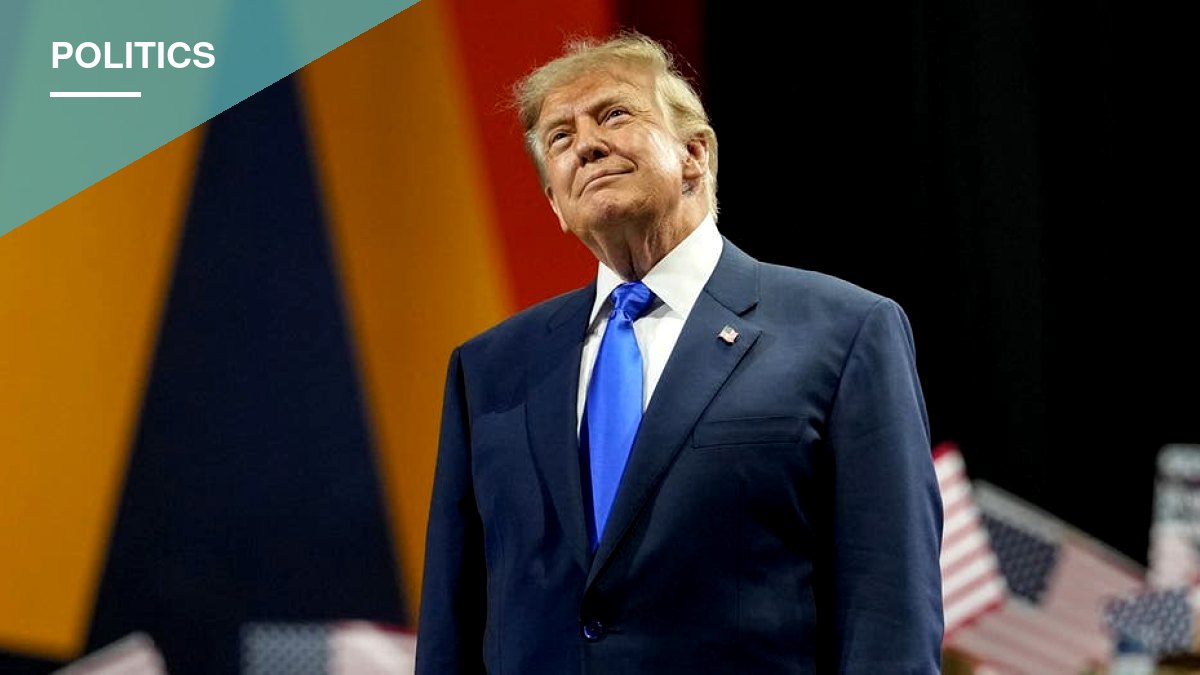
President Donald Trump has pushed back against calls to slow construction, previously warning that communities blocking data centers would “end up being backwards and poor.” He reaffirmed his support for the buildout this week.
Rep. Yassamin Ansari, D-Ariz., told Fox News Digital last month that her state needs to hit pause. “We in Arizona need to pause the expansion of data centers in the state until we really figure out a plan on how we’re going to preserve our water, how we are going to make sure that ratepayers aren’t taking on the responsibility,” she said. Ansari called Trump’s stance “out of touch” and argued it conflicts with what the “vast majority” of Americans want, adding, “If Donald Trump is such a big fan of data centers, then he should welcome them in his own backyard.”
Rep. Ro Khanna, D-Calif., has proposed a Data Center Bill of Rights that would bar the facilities within 2,500 feet of homes, schools, child care centers, hospitals and nursing homes, while giving local communities more authority over siting decisions. Khanna rejected Trump’s warning that opposition would leave communities behind. “Trump has failed to deliver for the forgotten American, so he’s just grasping at straws,” he said.
Rep. Jonathan Jackson, D-Ill., framed the issue as one of fairness. “The wealth has gone into the tech sector, and they are unregulated, unbridled and not very philanthropic,” he said.
Rep. Haley Stevens, D-Mich., focused on the cost to households. “It baffles me that we are just not guaranteeing, for average ratepayers, low utility bills,” she said. “These data centers could play a role in that.”
Republicans split, too
The divide isn’t strictly partisan. Rep. Nancy Mace, R-S.C., said the country needs the investment to compete with China but drew a line at siting. “We’ve got to stay ahead of China with AI, and data centers are a part of that,” she said. “But you don’t put them in somebody’s backyard and that’s the whole point.”
Rep. Rich McCormick, R-Ga., took a more favorable view, arguing data centers bring tax revenue, infrastructure upgrades and energy investment to host communities. “You should be fighting over them,” he said. “But, I mean, if you don’t want one, that’s up to you. I think you’re missing out.”
Rep. Ralph Norman, R-S.C., argued the decision belongs with states and localities, not Washington. “I believe in 10th Amendment rights, state rights,” he said. “Let each community take ownership, and they’ll make the right decisions.”
As states weigh water consumption, rising electricity costs and the pace of development, the fight over data centers is emerging as a rare issue that cuts across party lines and pits federal ambitions for AI dominance against local demands for a voice in what gets built next door.

