

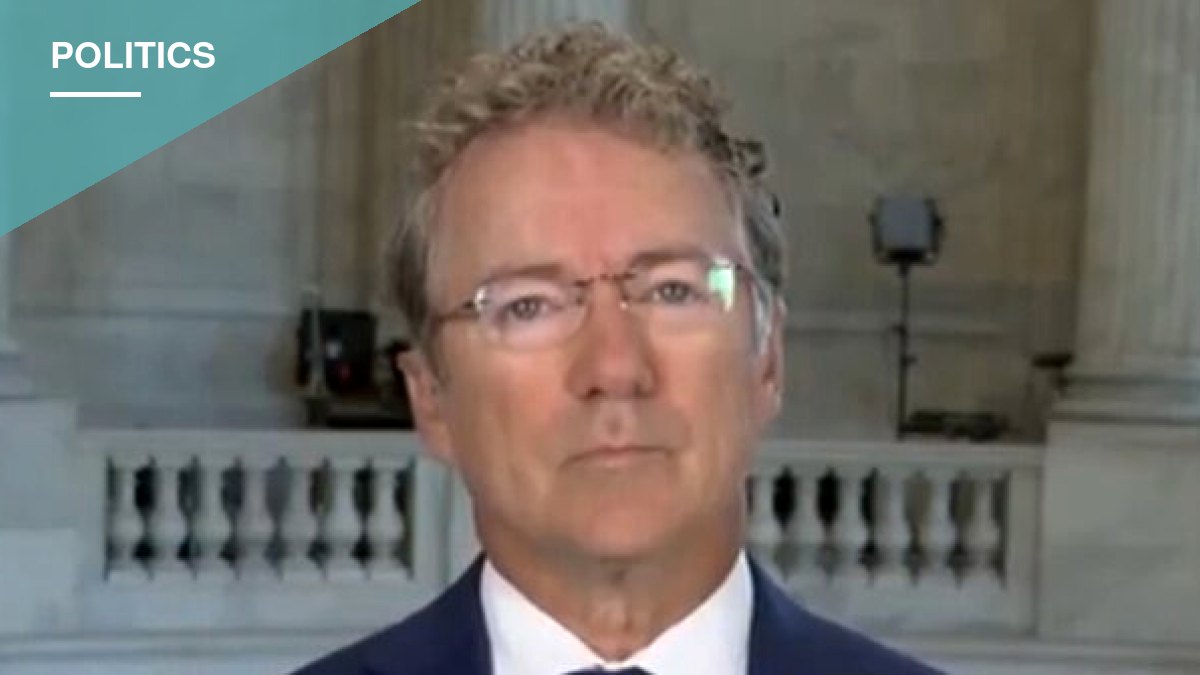
Sen. Rand Paul (R-KY) said Tuesday that welfare fraud is concentrated in Democrat-led states because those states have little financial incentive to police programs funded almost entirely by federal taxpayers.
Appearing on FNC’s “The Will Cain Show,” Paul was asked by host Will Cain how the country can sustain itself if welfare benefits are effectively open to anyone who arrives in the United States. Paul argued the incentive structure itself is broken.
“No, we can’t,” Paul said. “And, actually, a whole population of these people came. Not only they’re receiving welfare, but became experts at stealing welfare, so many of the folks in Minnesota. Now we found in L.A. I think they had 432 hospice centers in L.A. When they cut off their money, the Trump administration cut the money off, only 12 of them complained. That means the rest of them were just worried about being caught.”
Paul said the pattern points to a fraud rate he estimated at 80 to 90 percent among those hospice centers, and pointed to Minneapolis as another example, citing findings publicized by Nick Shirley involving what Paul called “adult learning centers” and a facility referred to as the “Learing Center.”
“So a big problem of this is that the federal government funds it and the state governments police it,” Paul said. “So if you’re policing something you don’t pay for, do you really care if it’s wasted?”
Paul went on to name specific states he says benefit politically from lax oversight.
“So it’s mostly blue states — New York, Minnesota, California, where the Democrats bribe people to get their vote. They say, here, you can all have welfare, and we’re not going to check to see whether you need it or not or whether you’re stealing it, because Uncle Sam, the federal taxpayer, is going to pay for it. It’s a terrible system, and I propose that we shift this all back to the states, so the payment and the policing would be at the state and they would bankrupt themselves if they didn’t police the system.”
Paul’s proposed remedy would shift both funding and enforcement responsibility for welfare programs to state governments, on the theory that states would then have a direct financial stake in rooting out fraud rather than relying on federal dollars with limited local accountability.

