

A new opinion piece is urging President Trump to block the sale of advanced AI chips to China, arguing that doing so would be as strategically foolish as selling nuclear technology to the Soviet Union during the Cold War.
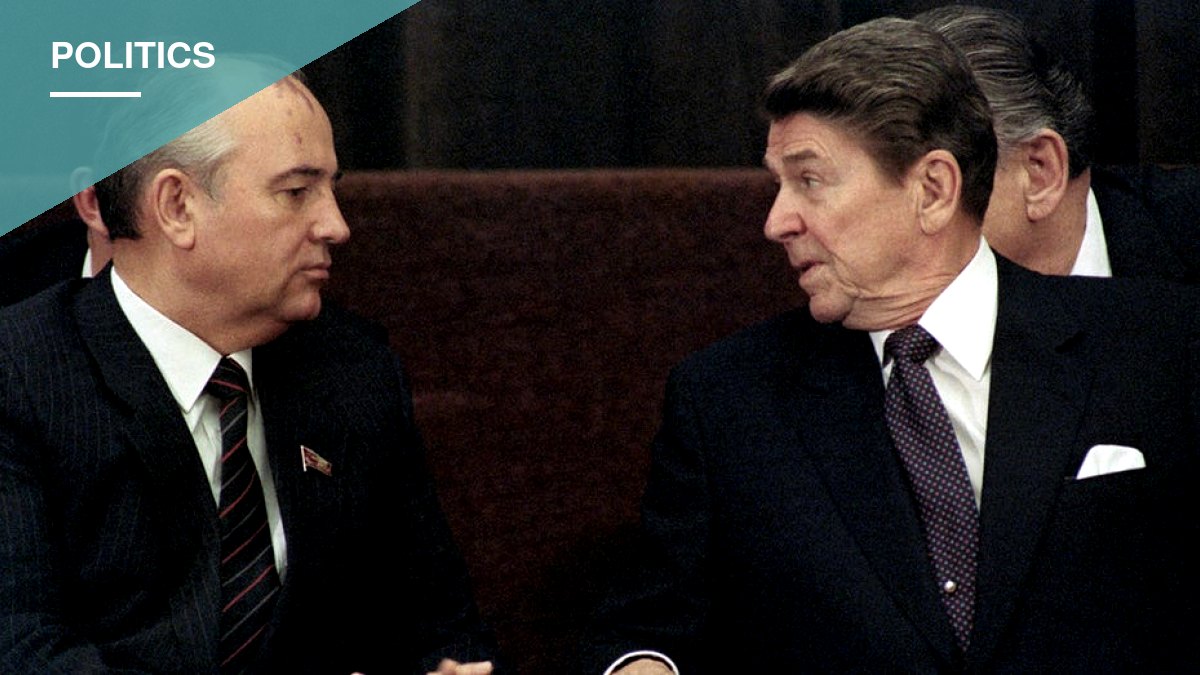
The essay, written by Chris Stewart, a former Air Force officer who once piloted a B-1 bomber, draws a direct comparison between today’s competition over artificial intelligence and the nuclear arms race of the 1980s. Stewart recalls watching President Ronald Reagan negotiate arms reductions with Soviet leader Mikhail Gorbachev at their 1986 summit in Reykjavik, Iceland, and argues that no one at the time would have tolerated American firms selling Moscow the technology to build a stronger nuclear arsenal.
Stewart contends that advanced AI chips now serve a similar function to strategic nuclear materials of that era, calling them “the fuel” China needs to train frontier AI systems at scale. Without large quantities of these chips and computing power, he argues, Beijing cannot keep pace with the United States in AI development.
The Xi Meeting and Current Policy
The piece comes ahead of a planned White House meeting this month between President Trump and Chinese President Xi Jinping, where trade, security and technology are expected to be on the agenda. Stewart argues Trump should use the occasion to make clear that the United States will not help China build technology capable of eroding one of America’s key strategic advantages.
Earlier this year, the United States began permitting some advanced AI chips, including Nvidia’s H200, to be sold to China on a case-by-case basis, subject to restrictions and security requirements. Stewart questions the underlying rationale for these sales, arguing the more fundamental issue is whether the U.S. should be helping accelerate China’s competitive capacity at all.
He pushes back on the argument, made by supporters of continued sales, that keeping China dependent on American chips preserves U.S. influence and benefits American companies. Stewart says the evidence points the other way — that China is using American-made chips to accelerate its own AI capabilities — and argues national security

