

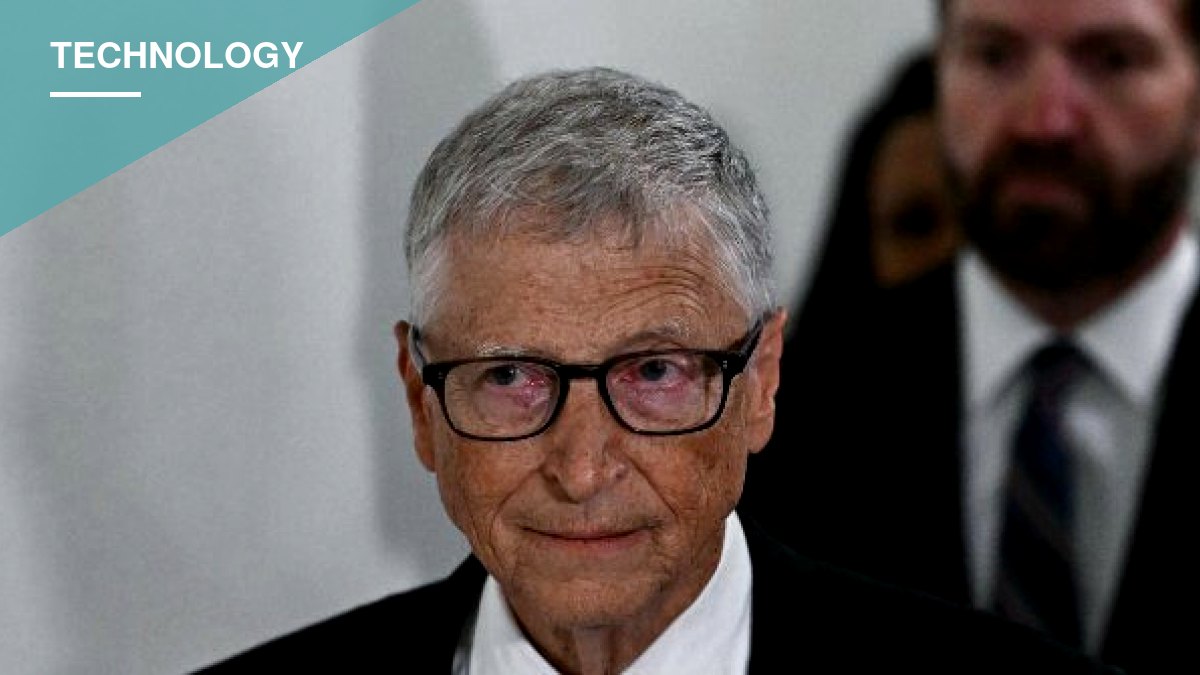
Bill Gates told NBC’s Meet the Press that artificial intelligence has grown powerful enough to trigger mass casualties on a scale humanity has never faced. NBC released excerpts Friday of the interview with Kristen Welker, with the full conversation set to air Sunday.
“AI is certainly powerful enough to drive events that, you know, cause a billion deaths,” Gates said. He warned specifically about the technology falling into malicious hands: “Even though it’s pretty hard to get to 100%, there’s never been a weapon as powerful as the combination of people with ill intent using the latest AI tools.”
The Microsoft co-founder’s remarks build on warnings he first raised in a memo and essay published in August, in which he called for an AI slowdown. The shift marked a notable reversal for a figure who has spent his post-Microsoft career championing technology as a solution to global problems.
“I’m surprised to feel this way,” Gates wrote at the time. “I’ve never seen a problem that innovation can’t solve.”
In that August essay, Gates organized his concerns into three categories: safety threats, including AI-enabled hacking, biological weapons and fraud; job losses caused by AI and AI-powered robots; and risks to children, including stunted learning and damaged human relationships. He said AI’s progress in writing software code and enabling new forms of cyberattacks has outpaced his own expectations, describing the latter development in one word: “mind-blowing.”
Gates has argued that governments and political parties need to set aside their differences and act now, before AI risks spiral out of control. His comments arrive amid an ongoing debate among tech industry leaders and government officials over how to respond to fears of AI-driven catastrophe, and as major AI companies compete for influence over how, or whether, the technology gets regulated.
For a liberty-minded readership, Gates’s call for coordinated government intervention raises its own questions: who decides what counts as acceptable AI use, and how much authority would regulators need to police it. Those debates are likely to intensify as lawmakers weigh responses to the warnings Gates and others in the tech industry are now raising.

