

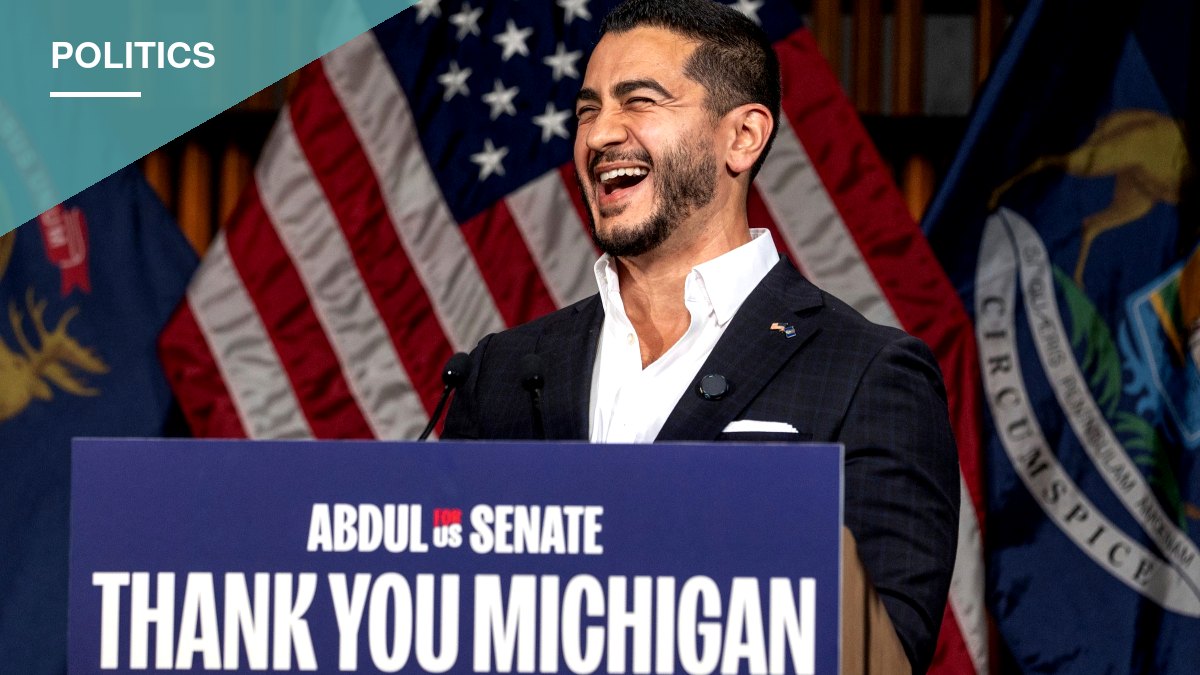
A group of incoming and sitting Democratic lawmakers is publicly challenging Senate Minority Leader Chuck Schumer and House Minority Leader Hakeem Jeffries, just days after the party claimed wins in races across the country on Tuesday.
Michigan Senator-elect Abdul El-Sayed, Texas Rep. James Talarico, Minnesota Lt. Gov. Peggy Flanagan and Maine state Senate President Troy Jackson have each signaled they do not want Schumer to continue leading Senate Democrats. Talarico has called for “new blood,” Flanagan said it’s “time for new leadership,” and Jackson said directly that he would “support somebody else.” None of the four has named an alternative candidate for the position.
The pushback comes despite Schumer directing roughly $30 million to help El-Sayed win his Michigan Senate seat. Schumer had also criticized Rep. Haley Stevens after she broke with the party late in the race over comments related to El-Sayed.
In the House, Reps.-elect Darializa Avila Chevalier and Claire Valdez are among those objecting to Jeffries becoming speaker if Democrats take the chamber in January. Their criticisms center on Jeffries’ positions on Israel, campaign finance and health care policy. Jeffries also voted for a congressional resolution honoring Charlie Kirk after his assassination, a vote some of his critics have cited as evidence he is out of step with the party’s left flank.
Schumer, for his part, worked with a small number of Senate Democrats in October to help avert a government shutdown, a move that also drew criticism from within his own caucus.
Members of the Democratic Socialists of America have separately called for structural changes to the Supreme Court and the Senate, including eliminating the filibuster and restructuring the court’s composition.
Tuesday’s election results were widely attributed to voter frustration over the cost of living, economic uncertainty and government corruption. It remains unclear whether the internal leadership dispute will affect how Schumer and Jeffries approach committee assignments or legislative priorities heading into the new session.

