

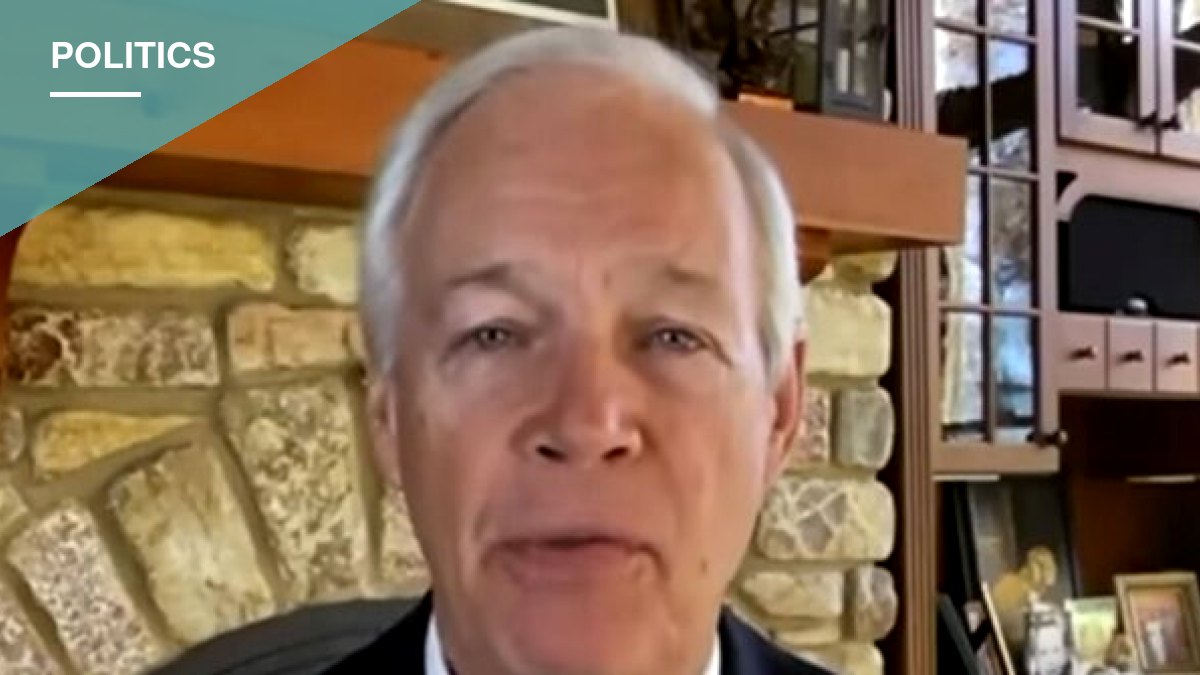
Sen. Ron Johnson (R-WI) says he walked out of last week’s Senate Republican leadership vote in protest, arguing the party moved too fast to re-elect its leaders after what he called a significant electoral defeat without giving members room to challenge them.
Johnson addressed the episode during an appearance on FNC’s “Sunday Morning Futures” this week, telling host Larry Kudlow that he had pushed to delay the vote electing Sen. John Thune (R-SD) as Senate Majority Leader so Republicans could first discuss their recent losses at the ballot box.
“I didn’t want to participate in that election, which I thought was very tone-deaf,” Johnson said. “After a defeat of that magnitude, it demands change.”
“I come from the private sector. If something like this would happen in a company, you would probably wipe out the board of directors and start all over again. So I know how angry our voters are. And, again, we all like John Thune. We all like our leadership, but it just demanded change.”
Johnson contrasted the Republican process with what’s unfolding among Senate Democrats, who he noted recently won a major victory but still opened the door for members to challenge their own leadership — a challenge Sen. Chris Van Hollen is now mounting.
“We didn’t give it that chance,” Johnson said. “It’s a very Mitch McConnell move.”
Johnson also laid out the history behind the timing dispute. From 1934 through 2022, he said, Senate leadership elections typically occurred roughly 40 days after a general election, giving members time to reflect and organize. Conference rules, he noted, call for elections a week after the start of a new Congress — but since around 2006, that timeline has been compressed further, to just nine days, happening the week lawmakers return to Washington.
“So, literally, you give no chance for people to challenge,” Johnson said. “And, again, I walked out respectfully. I lost that vote 31 to 15. Now we have to move forward.”

