
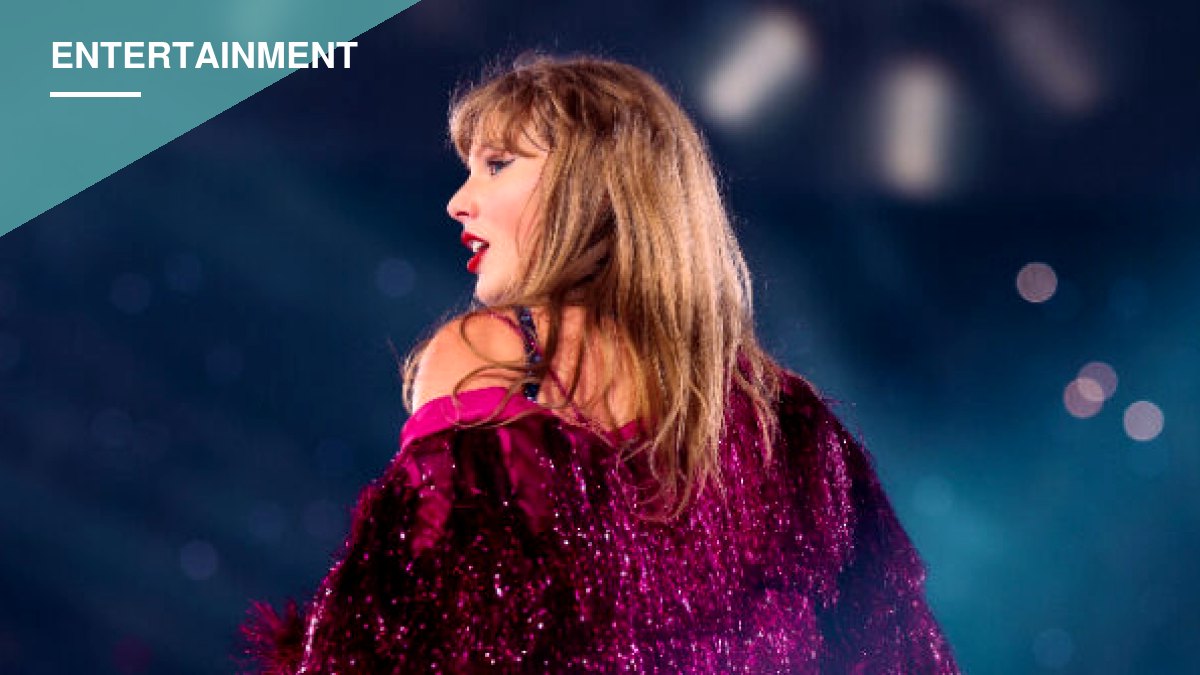
A new Vanity Fair profile is drawing attention for painting a sharply divided portrait of Taylor Swift, the pop superstar who grew up on a Christmas tree farm in Pennsylvania before being signed to a record label at age 15.
The roughly 4,000-word piece, which refers to Swift only as “The Star,” draws on more than 100 sources to describe what it frames as two competing versions of the singer. One is the familiar public figure: a Pennsylvania-raised musician whose early talent led to a record deal as a teenager and a rise to become one of the most dominant pop acts in the world.
The other, according to the profile, is a far less flattering picture offered by former friends and associates, who describe someone shaped from childhood by parents deeply involved in building her career, and who runs what the article calls a “punitive” inner circle that isolates people seen as enemies.
‘Punitive’ and Compared to a Movie Villain
An unnamed executive quoted in the piece did not mince words.
“She is punitive. It’s truly Regina George,” the executive said, invoking the manipulative high school clique leader from the film Mean Girls.
Another source told the magazine that Swift uses discipline as a tool against those around her, describing her as someone who loves to figuratively “smack people in the head” and who cuts people out of her life entirely.
“Nobody is beyond reproach with her. If you don’t see it her way, she comes after you,” the source said.
Reporter May Jeong noted that many of the people she approached for the story declined to speak on the record. Jeong closed the piece by suggesting Swift “might be a child pretending to be an adult.”
A Counterpoint in Public
Whether the private portrait matches the public one is impossible to verify independently. In at least one notable public moment, Swift handed the spotlight to a subordinate rather than keeping it for herself: at the VMAs, she stepped aside so her music video editor could speak, and he used the moment to publicly thank God.
Vanity Fair’s profile does not name Swift directly in its text, instead referring to her throughout as “The Star,” a choice that has added to discussion of the piece since its publication.