

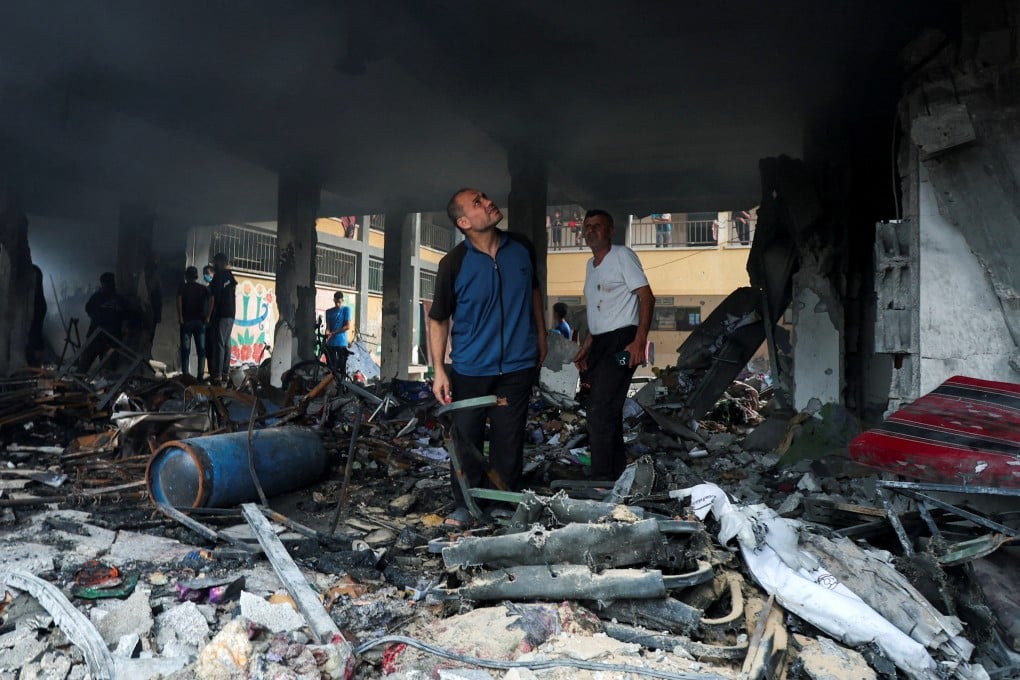
Israeli airstrikes on November 9 targeted key locations in northern Gaza and Lebanon, killing dozens, according to officials. In Lebanon, a strike on the village of Alamat left at least 20 dead, including three children, as reported by Lebanon’s health ministry. Northern Gaza was similarly struck, with Israeli military sources indicating they aimed at Hamas infrastructure, exacerbating the humanitarian crisis in the region.
Israeli Defense Minister Yoav Gallant defended the operations, stating, “We will continue to act decisively to protect Israeli citizens and dismantle terror networks wherever they operate.” However, Lebanese officials, including Prime Minister Najib Mikati, condemned the strikes as violations of sovereignty, warning of severe repercussions. “These attacks risk igniting a wider conflict, destabilizing the region further,” Mikati said.
The strikes come as Hezbollah intensifies rocket attacks on northern Israel, raising fears of a broader war. The United Nations has called for restraint, urging all parties to avoid escalation. UN Secretary-General António Guterres emphasized, “The loss of civilian lives is unacceptable. Both sides must prioritize dialogue over violence.”
Analysts warn that continued aggression could draw in additional regional players, potentially involving Iran and other proxy groups. This would not only exacerbate the humanitarian toll but also strain international diplomatic efforts aimed at fostering stability.
In Gaza, hospitals are overwhelmed, struggling to treat casualties amid ongoing blockades. Aid agencies have raised alarms over dwindling supplies of medical necessities, food, and water. “The situation in Gaza is on the brink of catastrophe,” said a spokesperson for the International Red Cross. “Without immediate international intervention, the humanitarian crisis will deepen.”
The international community remains divided, with the U.S. backing Israel’s right to defend itself while urging proportionality in its military response. Meanwhile, European nations have called for an immediate ceasefire, emphasizing the need to return to peace negotiations.
The Israeli strikes are likely to impact broader geopolitics, potentially complicating normalization talks between Israel and neighboring Arab states. The fragile dynamics in Lebanon, where Hezbollah wields significant influence, could also shift dramatically, with domestic and international repercussions.
Observers note that continued conflict could undermine U.S. efforts to broker peace in the region. “The current trajectory risks reversing years of diplomatic progress,” warned a senior U.S. official involved in Middle East policy.
As the situation unfolds, both Israeli and Palestinian civilians face mounting uncertainty. Calls for international mediation grow louder, but on the ground, the violence shows little sign of abating, casting a long shadow over hopes for lasting peace.


2 Comments
Diplomatic efforts go into the dust bin, when one party violated the ceasefire, on October 7, and attacked. Now, that Israel counterattacks with effect, leftists are calling for “ceasefire”. Did you read that Dick Schumer is calling for “bipartisanship”?
20, 40, 60 and 75 years ago little sweet Gazan baby boys, indoctrinated with NAZI inspired Islamic hate from birth, grew up to be rapists and murderers. So will the little boys in Gaza today.
Even Egypt and Jordan refused to take these animals for the threat they posed to their own rule.
K i l l ’em all Israel. Noone will miss the scum!