

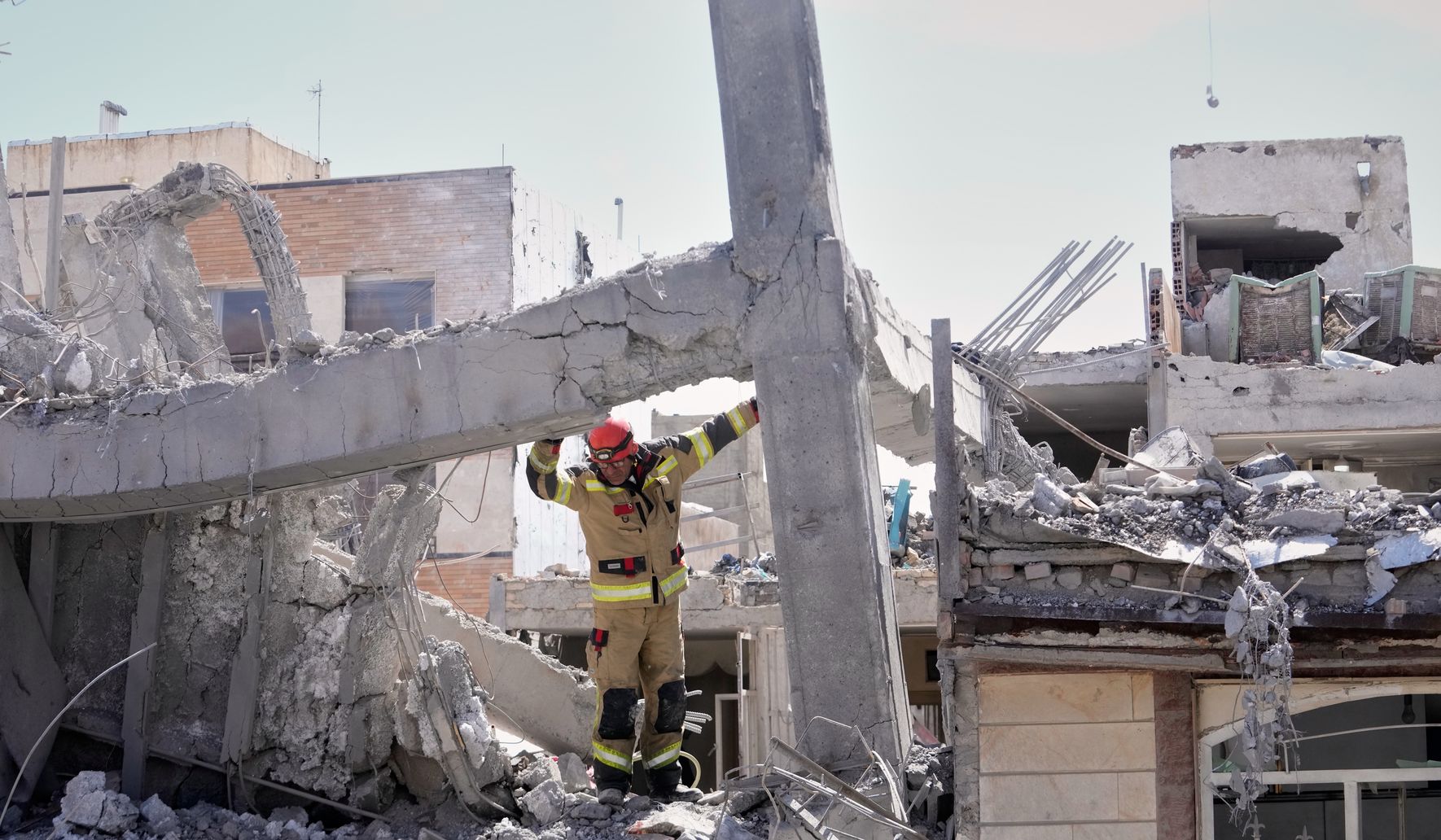
Israel opened a fresh round of strikes on Iran and warned the assaults “will escalate and expand” after U.S. President Trump said talks to end the war were progressing well.
Israel’s latest military action targeted sites inside Iran in a clear signal of resolve. The strikes came after public comments from U.S. President Trump suggesting diplomatic talks to end the broader conflict were moving in a positive direction. Israeli officials framed the attacks as a direct response to threats and as a way to deter future aggression. The tone from Jerusalem was blunt and unapologetic, designed to show both strength and readiness.
The phrase “will escalate and expand” was used to convey that Israel intends to broaden its campaign if provoked. That wording was deliberate and meant to be heard by Tehran and its proxies across the region. From a Republican perspective, demonstrating strength is a necessary part of preventing longer, messier wars. When adversaries understand the cost of aggression, they are more likely to reconsider their plans.
President Trump’s statement that talks on ending the war were going well injected a diplomatic angle into a situation dominated by military moves. Supporters of a firm foreign policy welcome diplomacy backed by clear consequences. Strategic negotiations work best when they sit alongside credible deterrence. In this moment, the U.S. posture of supporting allies while pursuing talks aims to force a pragmatic outcome.
Israel’s strikes showed operational reach and intent, and the messaging that accompanies them matters as much as the ordnance. For American conservatives, backing allies who take decisive action is a core principle of effective foreign policy. Showing allies that the United States stands with them strengthens deterrence and reduces the risk that conflicts will spread. This combination of pressure and partnership is what proponents argue leads to better long term outcomes.
The risk of escalation is real, but intentional signaling can limit unintended slide into broader conflict. Israel signaling that attacks “will escalate and expand” is intended to create a clear calculation for Iran. If Tehran believes escalation will be met with stronger responses, it might rethink further aggression. Republican viewpoints favor holding adversaries to account rather than relying solely on extended negotiations that lack teeth.
On the diplomatic front, reported progress in talks offers a possible path to de-escalation if the parties produce enforceable terms. Skeptics warn that talks alone cannot replace concrete measures that change behavior on the ground. For those who favor a tough approach, any agreement must include verifiable steps and meaningful penalties for violations. Without that, agreements become words on paper, not limits that shape adversary behavior.
Regional dynamics complicate a simple path to peace, with multiple state and nonstate actors watching closely. Each strike and each public statement recalibrates calculations across the Middle East, from Lebanon to Yemen. American support for Israel remains a crucial factor shaping those calculations, especially when Washington demonstrates a clear policy line. Republicans tend to argue that a reliable alliance and visible deterrence are central to regional stability.
The current mix of military action and reported diplomatic movement will be judged by outcomes on the ground in the weeks ahead. If strikes reduce Iran’s capacity to project power and talks yield enforceable commitments, the situation could stabilize. If not, the rhetoric about escalation may foreshadow a wider contest of wills. In any case, the interplay between force and negotiation will determine how this chapter unfolds.

