

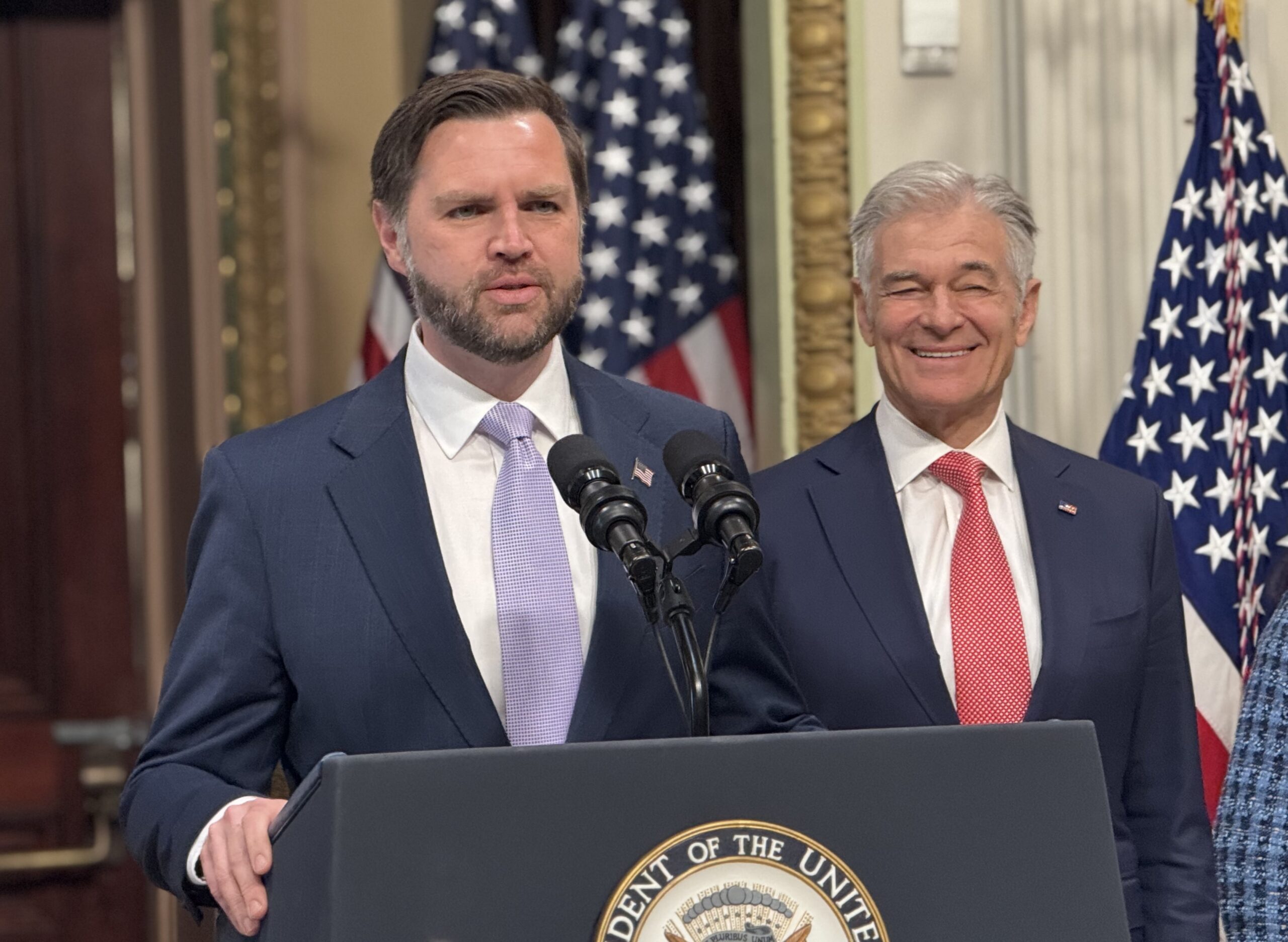
Vance announced that the government is deferring $1.3 billion in Medicaid reimbursements to California for its leaders’ neglect. This move signals federal pushback against state mismanagement and sets up a fight over fiscal responsibility and care for vulnerable residents. The decision centers on holding state leaders accountable for decisions that affect Medicaid funds and taxpayer money.
Senator Vance stepped into a dispute that most Washington insiders expected would be handled quietly, but he made the message plain and public. The deferral of $1.3 billion in Medicaid reimbursements to California is framed as a direct response to what he calls state leadership failures. That blunt approach is meant to force a conversation about accountability, not just cover it with bureaucratic excuses.
The mechanics are straightforward: federal reimbursements for Medicaid can be paused when the Department of Health and Human Services finds issues with how states administer federal funds. In this case, the federal action targets California, a state whose long record of budget and policy choices has created chronic fiscal pressures. From a conservative perspective, this is a necessary check when state governments refuse to reform programs that spiral in cost and inefficiency.
Critics will say withholding funds risks hurting patients and providers, and those concerns deserve attention. Yet accountability does not mean abandoning care; it means fixing the structural problems that create recurring shortfalls. Republicans argue the better path is to ensure funds are spent efficiently and that states adopt sensible rules so federal dollars go where they belong: to real health services, not to wasteful or poorly managed programs.
On the ground, the immediate effect could be pressure on California hospitals and safety-net providers who depend on predictable reimbursements. State leaders must act quickly to shore up systems and demonstrate compliance or face longer delays. That pressure is intentional; when a state treats federal funds as an open tap without proper oversight, the federal government has a duty to intervene until corrective measures are in place.
Policy solutions favored by conservatives include tighter audits, clearer eligibility checks, and incentives for states to root out fraud and misuse. Republicans also emphasize institutional accountability: governors and state legislatures should face political consequences when programs leak money or fail to deliver care. The aim is not punishment for its own sake, but to create incentives for better governance and fiscal discipline.
This move will play in national politics, with California officials accusing opponents of playing politics with health care, while Republican leaders argue they are defending taxpayers. The debate will be loud, but it highlights an essential question: should the federal government keep subsidizing a pattern of mismanagement, or require reforms before releasing more funds? For conservatives, the answer is clear—reform first, reimburse later.
Vance’s decision forces a practical test: can California clean up processes, comply with federal standards, and restore confidence that its Medicaid dollars are used responsibly? If so, reimbursements should flow again and providers will get the relief they need. If not, the deferral becomes a model for applying pressure to any state that treats federal funding as a blank check rather than a partnership with real rules and responsibilities.

