

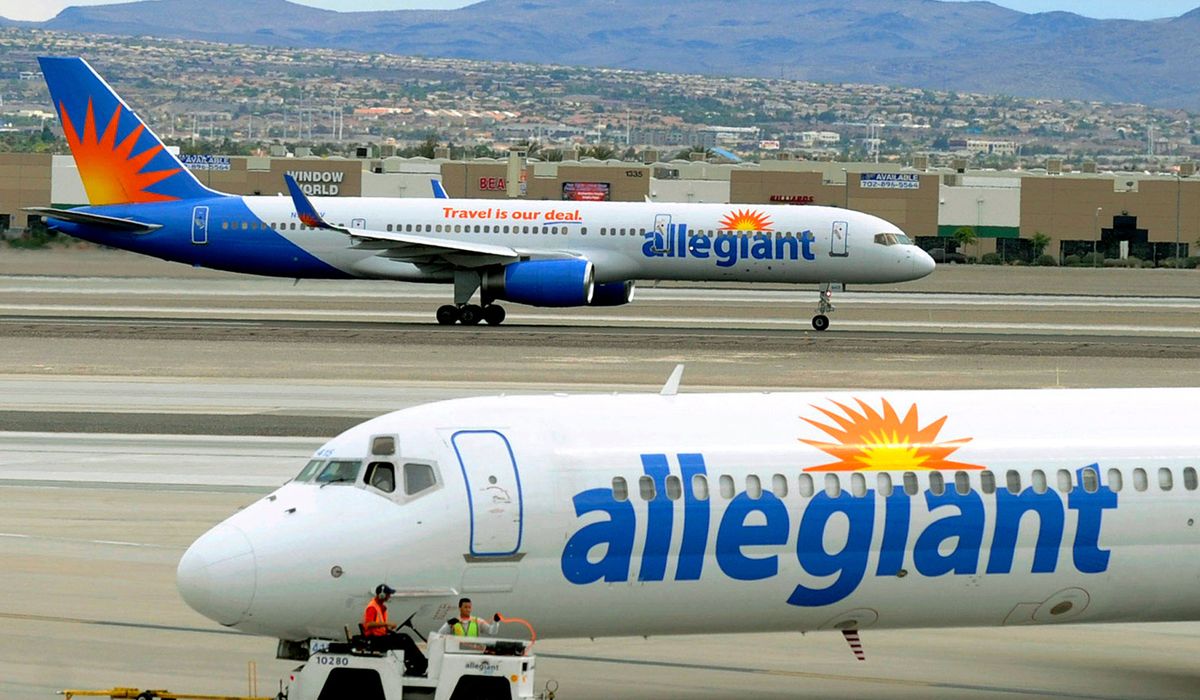
Allegiant Air said Wednesday it has completed its purchase of Sun Country Airlines, combining two low-cost carriers at a turbulent moment for the budget airline industry.
Allegiant has closed the deal to buy Sun Country, creating a larger low-cost operator that will compete on scale and route reach. The transaction brings fleet, staff, and route networks together under one corporate roof. That consolidation comes as budget carriers face tighter margins and shifting travel patterns.
The combination of Allegiant and Sun Country aims to make the merged carrier more efficient by aligning schedules and using aircraft more effectively. Management will now focus on merging operations, identifying overlapping routes, and deciding how to deploy planes where demand is strongest. Passengers should expect changes to schedules and potential new nonstop options as networks are rationalized.
Industry observers point to several headwinds that make this move timely, including volatile fuel prices, labor constraints, and uneven demand recovery on short-haul routes. Low-cost carriers operate on thin margins, so scale can be a critical buffer when costs spike. For Allegiant and Sun Country, the hope is that combined scale will smooth out peaks and troughs in demand.
Operational gains are likely to come from better aircraft utilization and shared maintenance and support functions. The carriers will need to harmonize fleets and maintenance practices, which can be complicated when planes and suppliers differ. Even so, a more centralized maintenance strategy and consolidated parts purchasing can cut costs over time if executed cleanly.
Labor integration will be one of the tougher pieces. Pilots, flight attendants, and ground staff may face changes in seniority lists, schedules, and work rules, and those shifts can touch collective bargaining agreements. Management will need to engage with employees and, where unions are involved, negotiate terms that keep operations smooth and morale intact. How those talks go could determine how quickly benefits from the deal materialize.
From a customer perspective, the merger could mean both positives and pain points. Travelers might see more nonstop flights between mid-size cities and better connections in leisure markets where both carriers already operate. On the flip side, route cuts, altered loyalty programs, or temporarily reduced frequencies could be frustrating for frequent flyers during the integration period.
Competitors will be watching closely, and the merger may trigger a fresh round of route adjustments across the market. Larger network carriers and ultra-low-cost rivals could respond by reshuffling capacity or adjusting fare strategies to protect key markets. Consolidation among budget airlines tends to reshape competition quickly, especially on routes where margins are thin and demand is seasonal.
Financially, combining back-office functions and centralizing procurement should lower unit costs, but capturing those savings requires careful execution. Integration costs and one-time transition expenses are likely as systems are merged and operations aligned. Investors will look for progress on cost synergies and stable yields as proof the merger is delivering value.
Watch the next steps: how leadership blends corporate cultures, how regulators and workforce representatives react, and how quickly schedules and loyalty programs are harmonized. The real test will be steady service and on-time performance during the months ahead. If Allegiant and Sun Country can keep flights reliable while trimming overlap, the combined carrier could be a stronger player in the low-cost market.

