

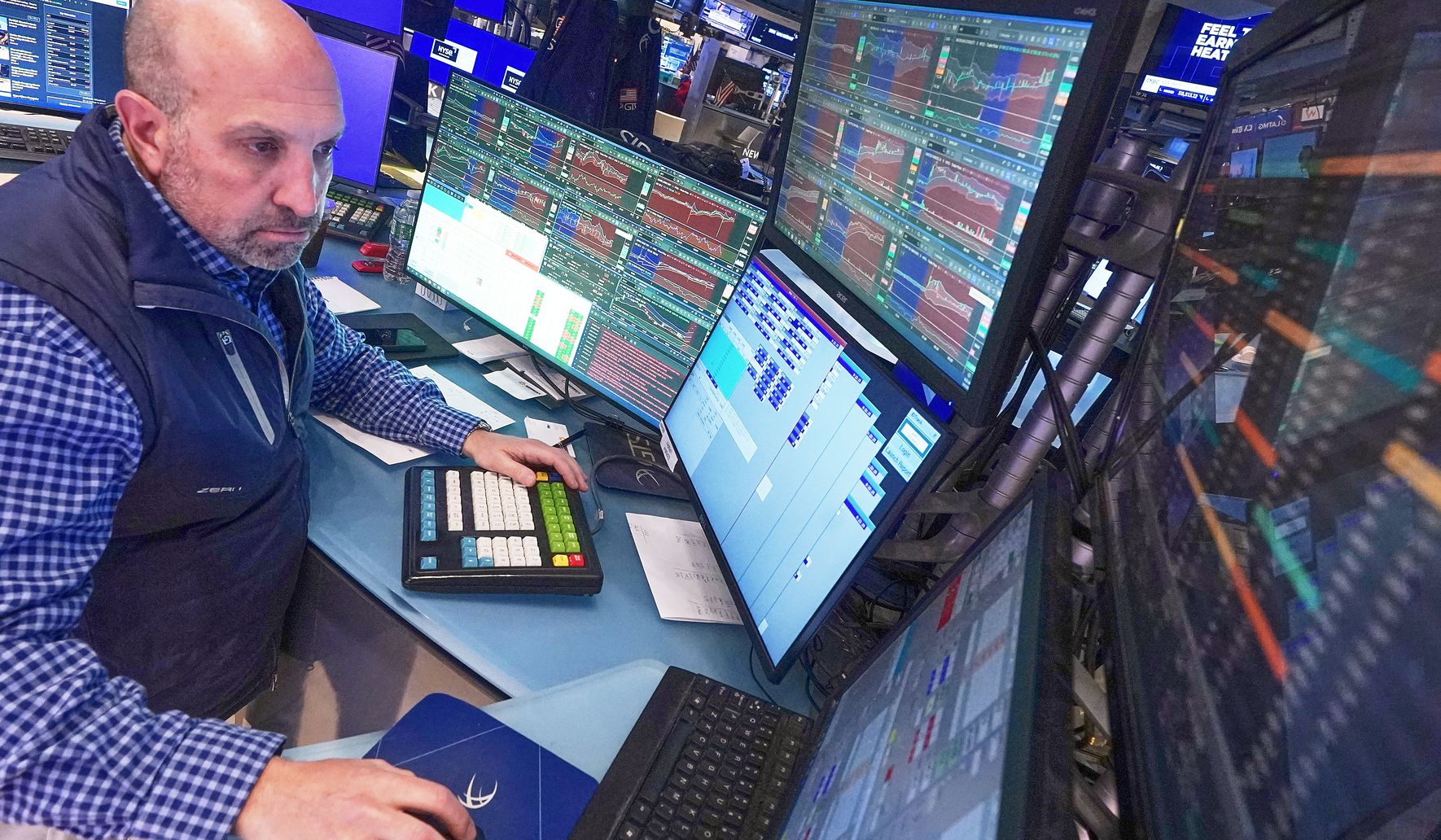
Markets moved sharply on Wednesday after President Trump signaled “great progress” toward a peace that ends the U.S. war with Iran, sending oil prices down and Wall Street indices up as investors priced in lower geopolitical risk.
Oil prices plummeted almost immediately on the news, reflecting a sudden drop in the premium traders attach to Middle East risk. At the same time, major stock indexes rallied as buyers returned to positions that had been sidelined by uncertainty. Traders described the moves as a rapid repricing of risk tied directly to the diplomatic signal.
The reaction on Wall Street showed how much markets reward clarity and the prospect of de-escalation. Financial firms and broad market funds caught a bid as investors anticipated steadier global trade and smoother shipping routes. The shift was dramatic enough to change short-term sentiment across equities and commodities in a single trading session.
Energy stocks felt the squeeze when crude sold off, since lower oil prices compress near-term profitability for producers and service companies. Conversely, sectors that benefit from stable economic growth—banks, industrials and consumer-facing companies—saw more enthusiastic buying. That rotation underscores how a change in geopolitical outlook can reshuffle where investors put capital almost overnight.
For ordinary Americans, falling oil prices can mean cheaper fuel at the pump and lower costs for goods that depend on shipping. That ripple effect often helps household budgets and can shave pressure off inflation readings if sustained. Markets priced those downstream benefits into equities quickly, which is why the rally extended beyond just financial stocks.
From a Republican perspective, this outcome validates a focus on strong diplomacy backed by clear national resolve. Achieving reduced hostility without open conflict is a win for American leadership and for taxpayers who bear the cost of prolonged overseas engagements. The market response served as an immediate, hard-dollar affirmation that investors prefer predictable foreign policy over open-ended confrontation.
That said, investors remain cautious about the durability of any agreement and the mechanics that will enforce it. Markets can react to headlines, but long-term asset prices depend on verifiable commitments and a stable enforcement framework. Traders will be watching for follow-through actions and any signs that tensions could resurface.
Policy implications are practical and immediate: lower risk premiums tend to boost investment and support higher valuations across many sectors. For companies planning capital expenditures or hiring, a clearer global backdrop reduces uncertainty and can accelerate spending. Lawmakers and regulators should take note of how quickly financial conditions can shift when geopolitical risks decline.
Political rivals will argue over credit and the details, but markets speak a plain language: investors price in risk reductions fast and reward predictable leadership. If the developments on Wednesday lead to lasting de-escalation, the economic payoff could show up in growth and consumer wallets. Until then, traders will trade the news and watch for concrete steps that turn headlines into sustained stability.

