

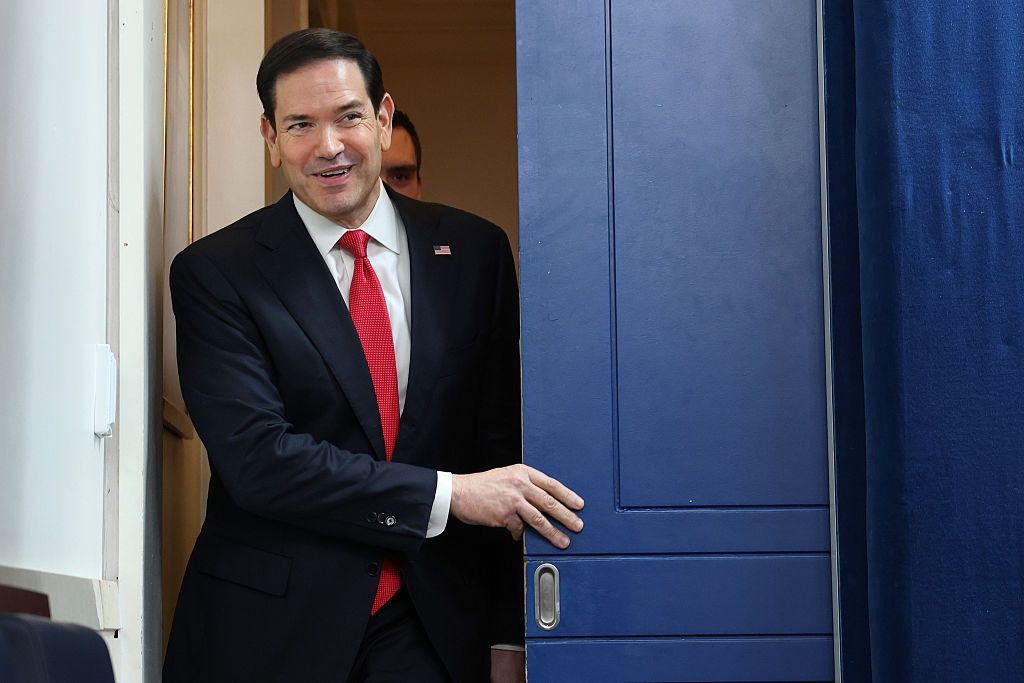
Marco Rubio is building momentum inside the GOP, carving out a case as a practical conservative who can win beyond the party base. He just might overtake JD Vance for the 2028 Republican presidential nomination. The conversation around him is shifting from speculation to strategy as donors, operatives, and voters reassess the field.
As of May 6, 2026, Rubio’s profile looks different than it did a year ago. He has sharpened a message that mixes firm conservative positions with pragmatic policy proposals that appeal to a wide slice of the party. That blend gives him a plausible path to broaden the coalition Republicans will need to win in 2028.
Rubio’s strengths are clear and traditional: a solid fundraising network, national name recognition, and a record on foreign policy that voters respect. He also benefits from a reputation for discipline and a knack for translating conservative ideas into punchy, voter-friendly language. Those assets make him a hard candidate to write off early.
On the stump Rubio talks about core issues in straightforward terms and avoids the kinds of distractions that can sap momentum. That steady approach has attracted donors who want an alternative to chaos and a candidate who can stand in front of voters and explain solutions. It’s the kind of seriousness that helps in debates and in the long haul of a national campaign.
JD Vance has energized parts of the party with a strong cultural message and insurgent appeal, but Rubio’s model looks more like the general election blueprint Republicans need. Rubio can reach suburban voters and working-class conservatives while keeping the party’s base energized. This dual appeal is why many strategists now see him as competitive across more states than Vance.
Policy-wise Rubio leans into pragmatic proposals on the economy and national security that resonate outside of elite circles. He mixes tax and regulatory discipline with targeted plans to boost manufacturing and border security in ways voters understand. That mix can make him credible both to longtime conservatives and to swing voters who want results over rhetoric.
There are real challenges ahead, including pushing past the memory of previous cycles and navigating a field that will only get more crowded and aggressive. Rubio will have to keep his message tight, expand his grassroots machinery, and show he can endure the bruising scrutiny of a national race. But the building blocks are in place for a surge if timing and opportunity align.
Short-term moves matter: early organizing, targeted advertising, and a clear case for why Rubio is the safe, effective choice for a nationalist-leaning party seeking to win back the White House. Donors and operatives pay attention to momentum, and a string of strong finishes in early contests could shift perceptions fast. Rubio’s team knows the math and is positioning to capitalize on it.
Republicans focused on victory in 2028 will watch how Rubio balances outreach to Trump-aligned voters with an appeal to more traditional conservatives. Manage that tightrope and he looks like the candidate who can unite the party and defeat Democrats at the ballot box. Fail at it and the nomination will likely fracture into tactical fights that favor outsiders.
Whatever happens, Rubio’s climb is a reminder that durable political careers are built on message discipline, institutional strength, and an ability to win diverse voters. He has the pieces to be a serious contender and the temperament to make an extended run. The coming months will show whether that potential turns into the sort of momentum that decides a primary.

