

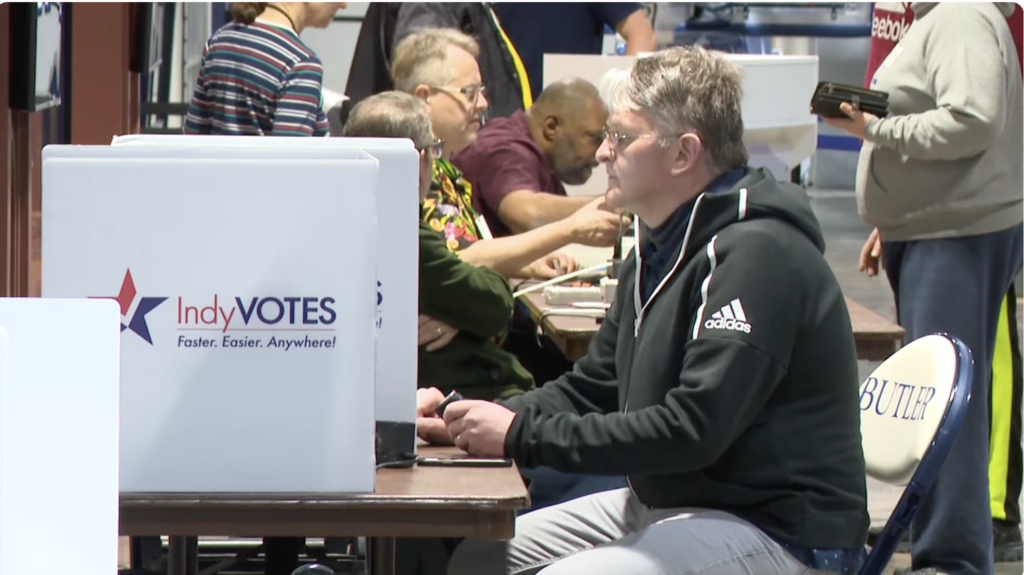
Republicans are calling out a weak Senate performance over the SAVE America Act, arguing that Indiana voters spoke up and that the current show of “debate” did more to frustrate than to resolve serious policy concerns.
Hopefully senators starring in the failure theater production of ‘debating’ the SAVE America Act heard Indiana’s message loud and clear. That line captures a broader frustration among conservatives who wanted decisive action, not political theater. Voters in Indiana and elsewhere expected results, not reheated talking points that dodge the real problems.
Across town halls and grassroots meetings, the pushback wasn’t gentle. People demanded border security, fiscal restraint, and clear accountability from lawmakers who promise to act but stall when the stakes are highest. Those priorities are what drove the message from Indiana, and they aren’t going away just because the Senate put on another performance.
Republican voters see the SAVE America Act as a test of seriousness, not a bargaining chip for endless compromise. They want measures that strengthen enforcement and protect American jobs and values, not measures that talk in circles. That impatience is rooted in a belief that the political class spends too much time posturing and not enough time delivering concrete outcomes.
The practical criticisms are straightforward: pieces of legislation can look good on paper while leaving critical gaps in implementation and oversight. That disconnect between rhetoric and reality fuels the sense that some senators are more interested in optics than outcomes. Constituents expect their representatives to prioritize durable fixes over headline-friendly half-steps.
Messaging matters, but so does follow-through. Indiana voters made it clear they will reward politicians who actually secure the border, reduce wasteful spending, and defend constitutional rights. Promises without teeth leave communities exposed to consequences that voters already see at their doorsteps, from strained public resources to increased illegal crossings and regional instability.
Grassroots organizers in Indiana and across conservative communities emphasize accountability in ways that are hard to ignore. They track votes, attend hearings, and push for transparency at every stage of policy formation. That pressure is why many Republicans argue the Senate needs to stop staging symbolic fights and start producing enforceable policies with measurable results.
Lawmakers who ignore this momentum risk losing credibility with the voters who show up and pay attention. Winning headlines does nothing for people dealing with real issues day to day, and conservatives are increasingly intolerant of showmanship. The SAVE America Act, for many, will be judged not by clever talking points but by whether it actually changes outcomes for American families.
At the end of the day, the question is whether senators will translate popular demands into policy or keep giving audiences the same tired performance. Indiana’s message loud and clear was about results and accountability, and that is the standard voters expect going forward. If representatives continue to prioritize theatre over work, the people will remember when it comes time to vote.

