

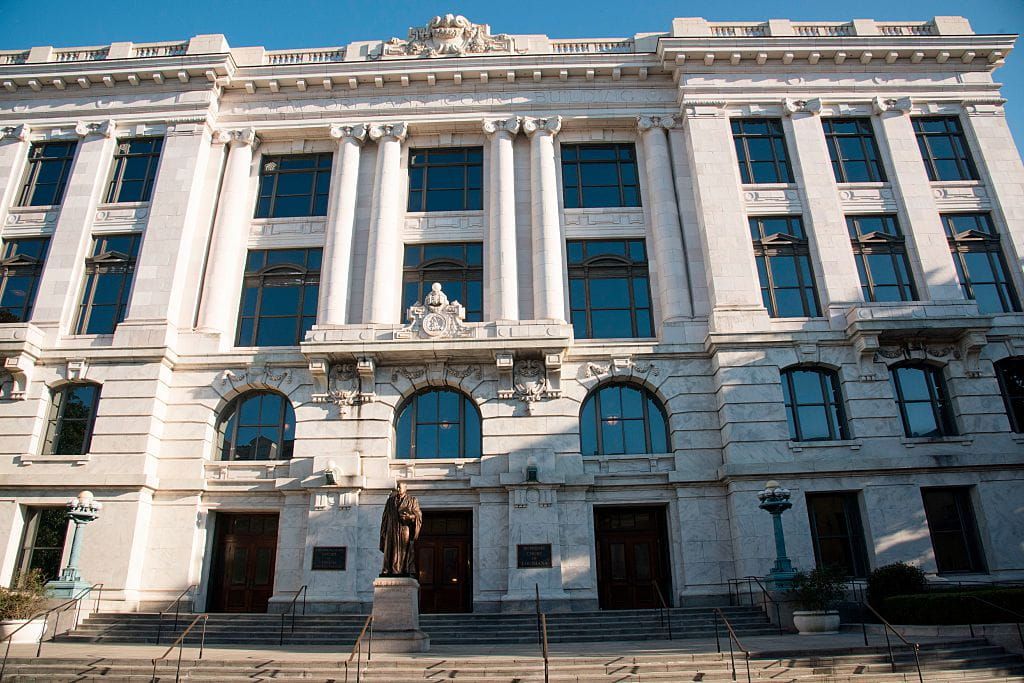
The recent ruling tied to Louisiana and the sharp dissent that followed exposed fault lines in how the courts approach state authority and constitutional text, and it has stirred debate about judicial restraint and the proper role of judges in political disputes.
The decision from the high court touched a range of constitutional questions and landed with predictable heat on both sides of the aisle. Conservative observers see the ruling as another moment to push back against judicial creativity that reads policy preferences into the Constitution. The tone of the dissent amplified those concerns and pushed the debate from legal technicalities into raw questions about institutional legitimacy.
The dissent did more than disagree on doctrine; it read like a manifesto. “The Callais case is constitutionally seismic.” Those words, left exactly as written, underline how some jurists view the stakes — not merely an error in interpretation but a break with long-settled limits. When a dissent uses that kind of language, it signals a wider cultural and legal fracture that transcends the narrow facts of a single case.
From a Republican perspective, the problem is predictable: when judges substitute their judgment for the political branches, the Constitution stops being a set of neutral rules and becomes a tool for engineering outcomes. That tendency corrodes federalism by eroding state prerogatives and concentrates power in distant courts. Voters and state officials then lose important levers to address local problems in ways that reflect their values and circumstances.
The practical fallout matters. Businesses, families, and state lawmakers need predictable guardrails, not shifting doctrinal experiments. A ruling that unsettles longstanding practice or opens the door to broader judicial policymaking raises the cost of planning for everyone involved. Conservatives argue that the remedy is simple: courts should interpret the Constitution, not make policy for people who vote and live under the laws those policymakers enact.
Critics of the court’s approach will point to institutional norms and stare decisis, while defenders of robust judicial review will argue courts must correct legislative overreach. Both sides use fierce rhetoric, but the Republican takeaway emphasizes restraint and deference to elected bodies unless the text and original meaning clearly demand intervention. That principle respects democratic accountability and keeps judges within the lane voters intended them to occupy.
The Louisiana connection sharpens the politics. State officials and local leaders watch how these opinions play out because the stakes are immediate: resource allocation, regulatory control, and who decides the tough tradeoffs. When federal decisions reach into state governance, the tension is no longer theoretical; it hits classrooms, courthouses, and budgets. Republicans favor outcomes that return power to states so communities can tailor solutions to their unique needs.
The dissent’s tone will reverberate in legal briefs, political campaigns, and conservative law circles for months to come. That friction is healthy in the sense that it forces discussion about the role of judges and the boundaries of constitutional text. Where that debate goes next will depend on whether courts heed calls for modesty or continue to test the limits of judicial reach, but the watching public will be decisive about which path holds legitimacy going forward.

