

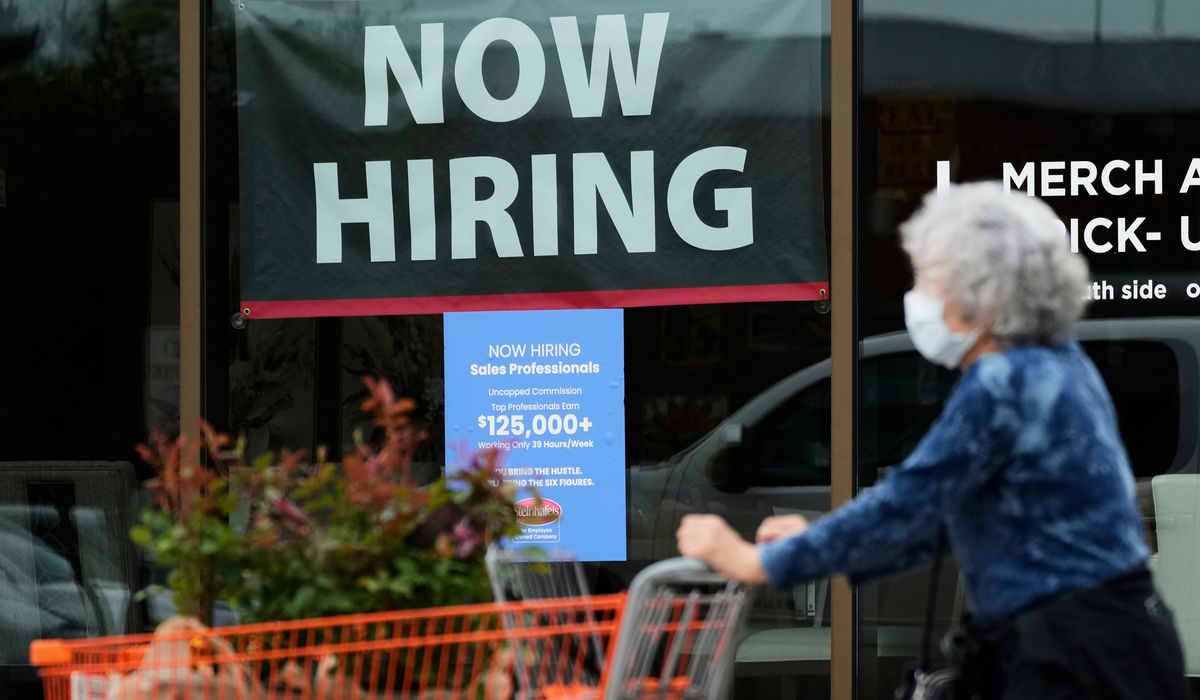
The U.S. added 115,000 jobs in April, the government said, a report that far exceeded forecasts and marked the second straight month of large gains.
This April jobs number landed stronger than many expected and deserves attention from anyone who cares about the economy. It shows hiring is still happening at a pace that surprised forecasters, and it gives policymakers and business leaders fresh data to chew on. The details matter less than the direction: employers are still adding workers, and that changes choices across the board.
From a Republican perspective, this kind of report underscores the power of private-sector dynamism. When businesses are confident, they hire, invest, and expand without waiting for government rescue plans. The right approach is to keep taxes predictable and regulations reasonable so that employers can continue to turn growth into jobs.
Seeing a second straight month of sizeable gains suggests momentum, not just noise. Momentum makes it easier for workers to find opportunities and for entrepreneurs to plan expansions. That said, single reports can mislead, so ongoing performance will tell us whether this is a trend or a bump.
Policymakers should treat this data as a reminder that incentives matter. Reducing burdens and keeping capital flowing encourages hiring in every community, especially among small businesses that drive most job creation. Public policy should be about clearing obstacles, not creating more of them.
At the same time, governors and federal officials need to watch the monetary backdrop and regulatory signals. Overly aggressive policy swings can chill hiring even when headline numbers look good. Prudence means reading the labor market carefully and avoiding knee-jerk moves that could undo private-sector momentum.
Local economies will feel the effects of these hires differently, and that unevenness is real. Some regions and industries will pick up steam while others lag, so state and local leaders should focus on workforce training and removing hurdles to employment. That approach helps translate national numbers into real opportunities for families in every town.
For voters, job reports like this feed into everyday decisions about saving, spending, and planning for the future. When hiring is steady, people gain bargaining power and employers face pressure to offer better pay and benefits. Political leaders should stop scoring points and start fixing the structural barriers that stop people from working.
Business owners and managers should take a clear look at these results and ask what they signal for investment plans. If demand is growing, that is a cue to hire deliberately, invest in productivity, and build capacity where it makes sense. The economy responds to incentives, and responsible leadership in the private sector delivers the most durable gains.
Keep watching the data and keep policy focused on growth and individual opportunity. When government gets out of the way and entrepreneurs get on with the job, more Americans find work and more communities prosper. That is the practical lesson from a month that beat expectations and kept payrolls moving upward.

